Not abstract demos. These are ready-to-run Kollab workflows you can adapt and launch fast.
Kollab turns your Notion or Buildin workspace into an agent-powered operating system for team work. For content teams, that means the keyword list, search intent, audience, draft page, reviewer, and publish date all live in one database instead of scattered docs.
Built for project managers, team leads, and Chiefs of Staff who need to explain how the business changed this week. Kollab reads metrics, risks, launches, customer feedback, project databases, and Slack discussion so the weekly review becomes a decision document instead of a status dump.
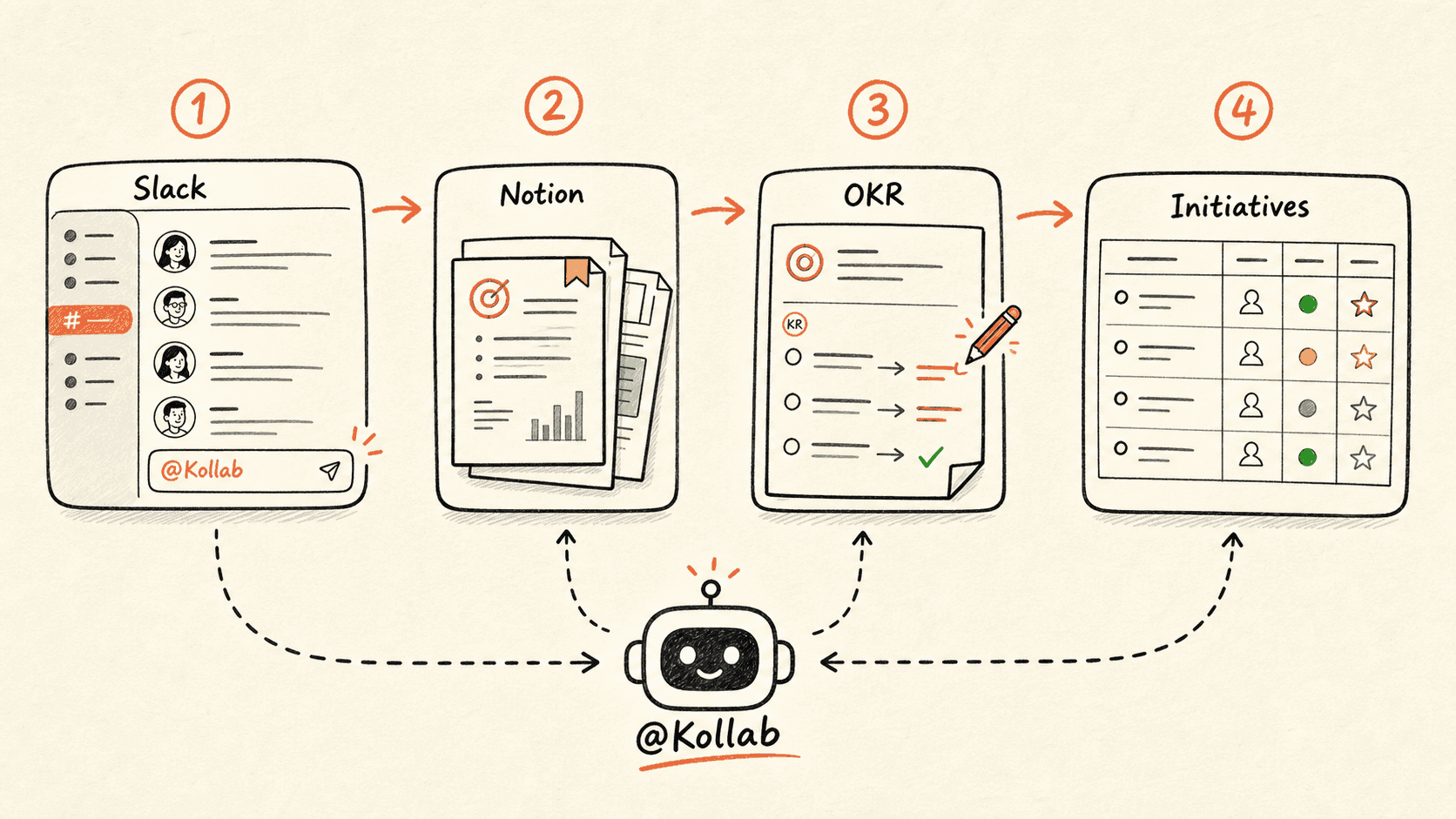
Built for teams that need to finalize quarterly or half-year OKRs quickly, especially when OKR discussion is scattered across Slack channels and manually summarizing feedback against strategy is slow and easy to miss.
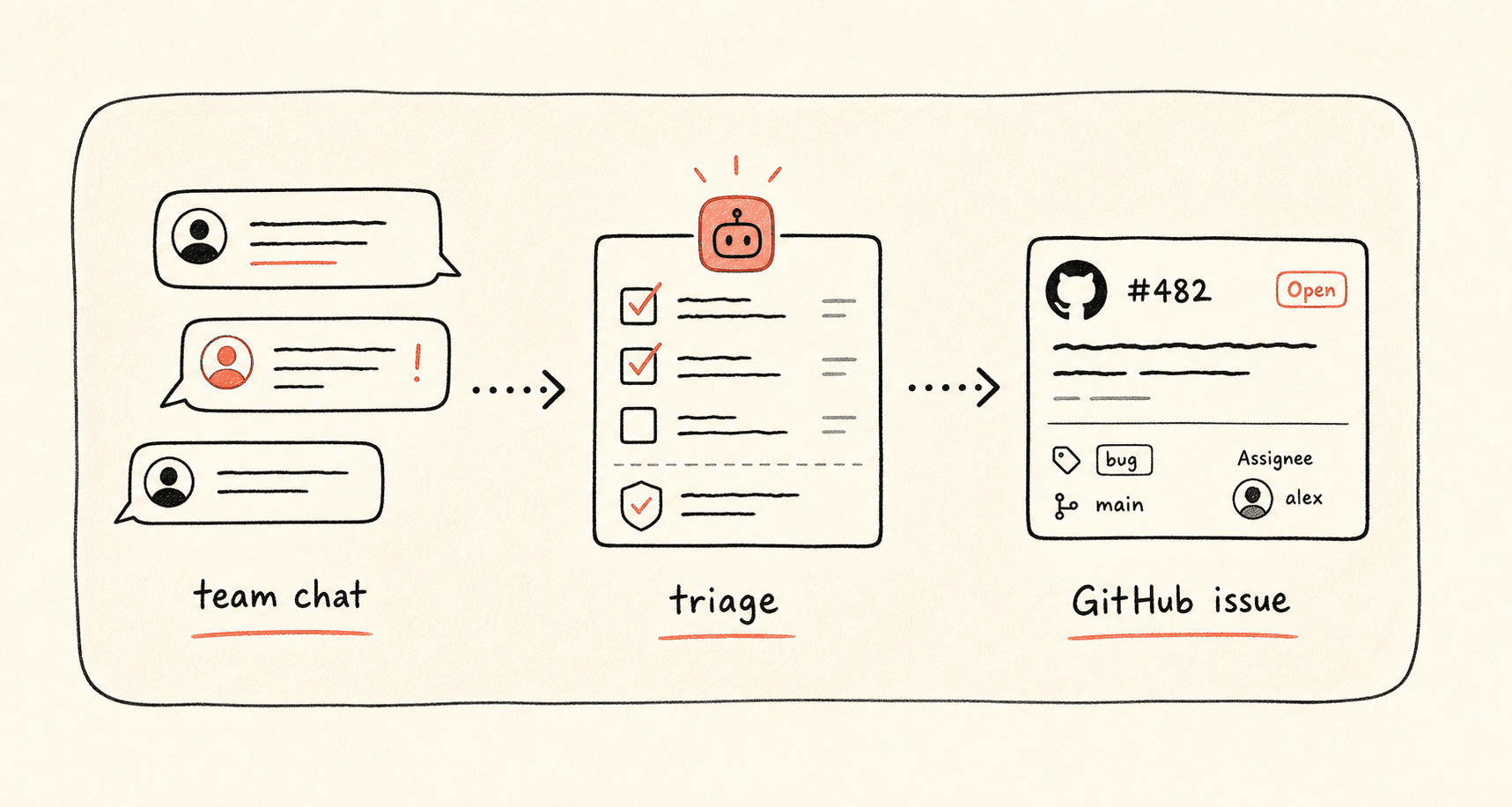
Kollab reads @bot messages, fills in reproduction steps, priority, and owner, then sends the GitHub issue link back to chat.
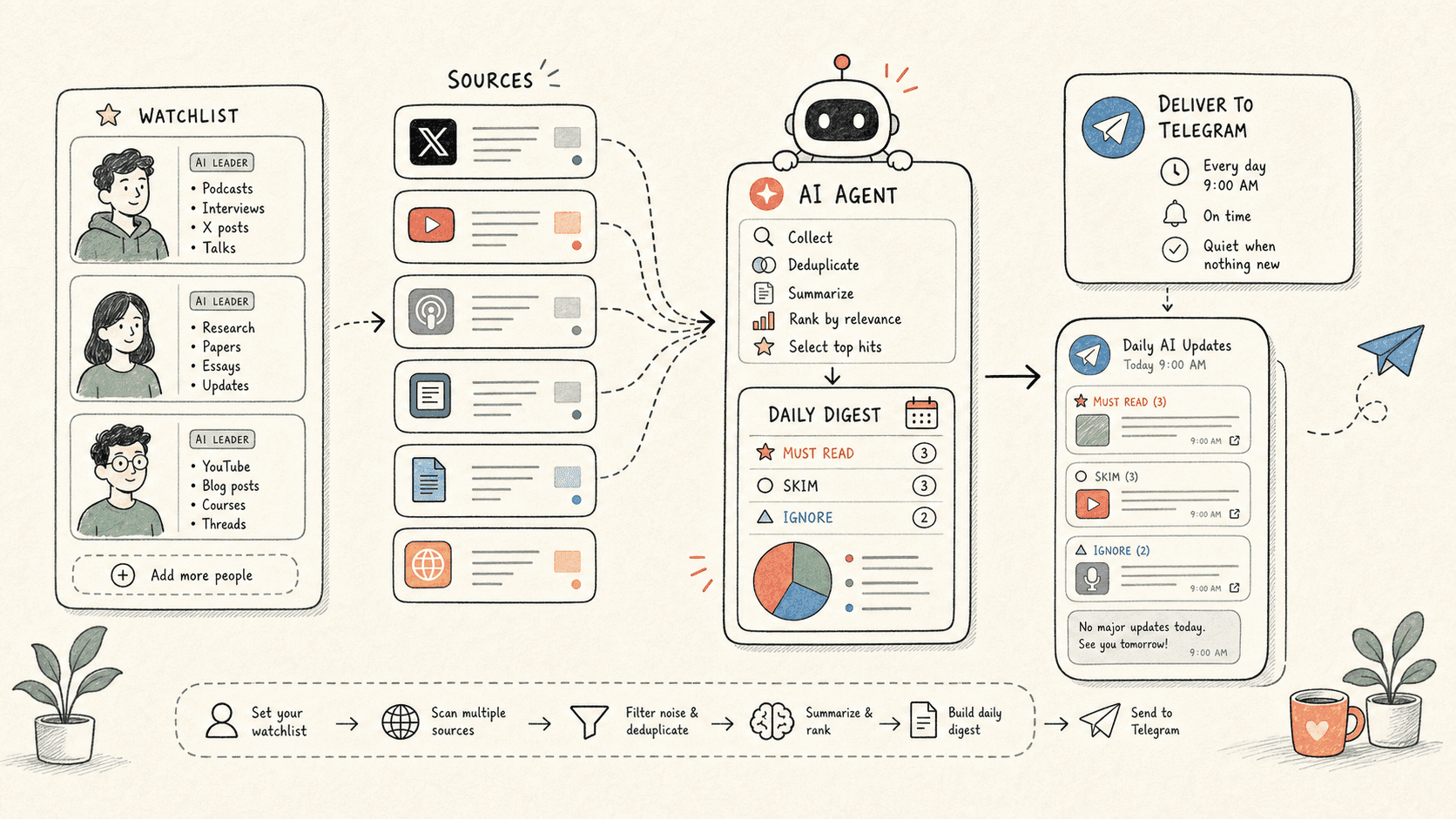
Add a watchlist, topic, product, or founder. Kollab searches X, YouTube, podcasts, blogs, papers, interviews, and news on schedule, dedupes the signal, and writes a prioritized digest.
Classics build the base model; papers update the frontier. Kollab scans arXiv, Semantic Scholar, and related sources for your research areas, filters out benchmark-only noise, keeps the papers worth a 10-minute read, and saves the structural takeaways into Notion.
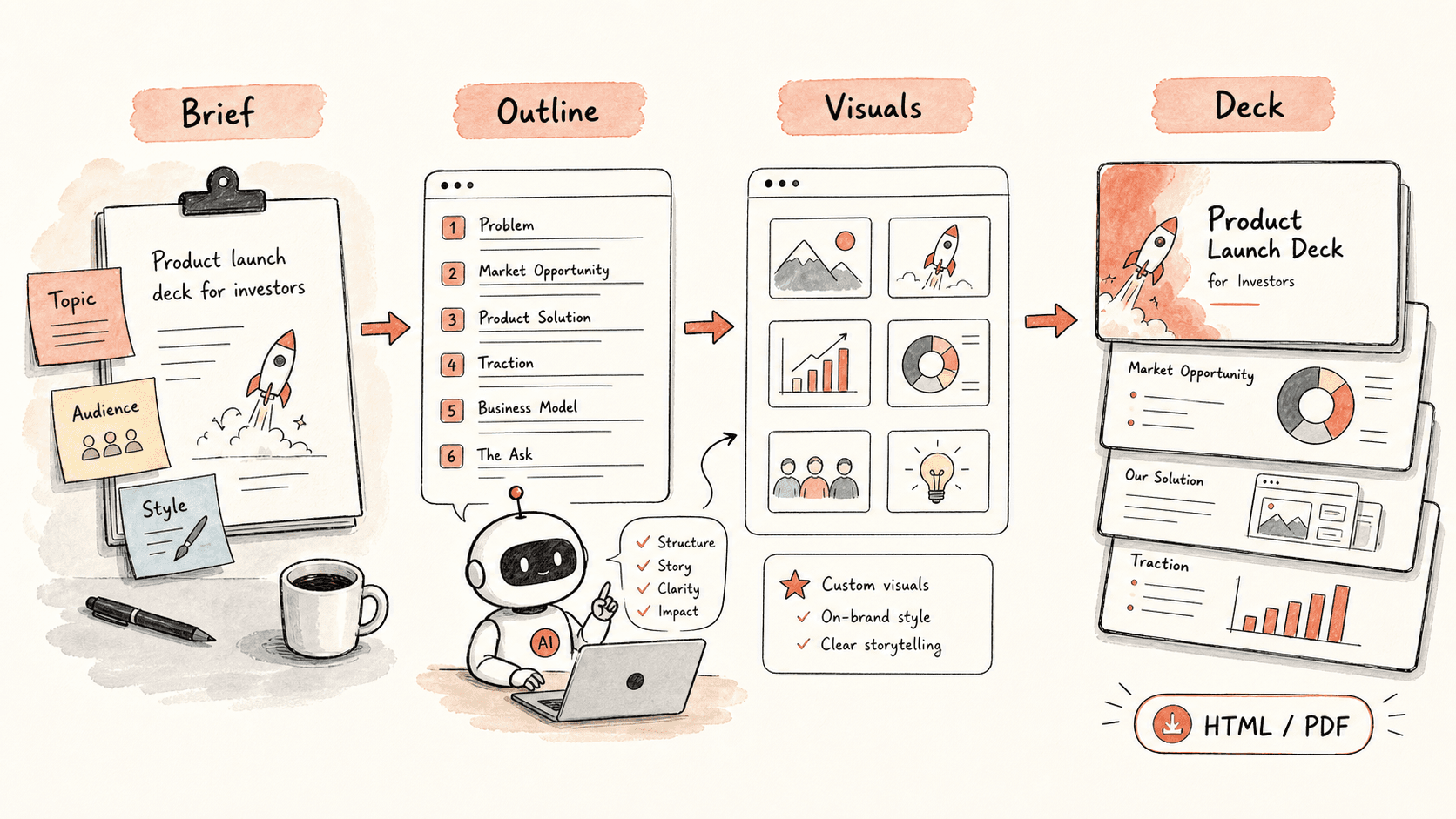
Kollab starts with a slide-by-slide outline, generates visuals for key moments, adds review-ready speaker notes, then assembles the copy, images, and layout into a deck your team can keep revising.
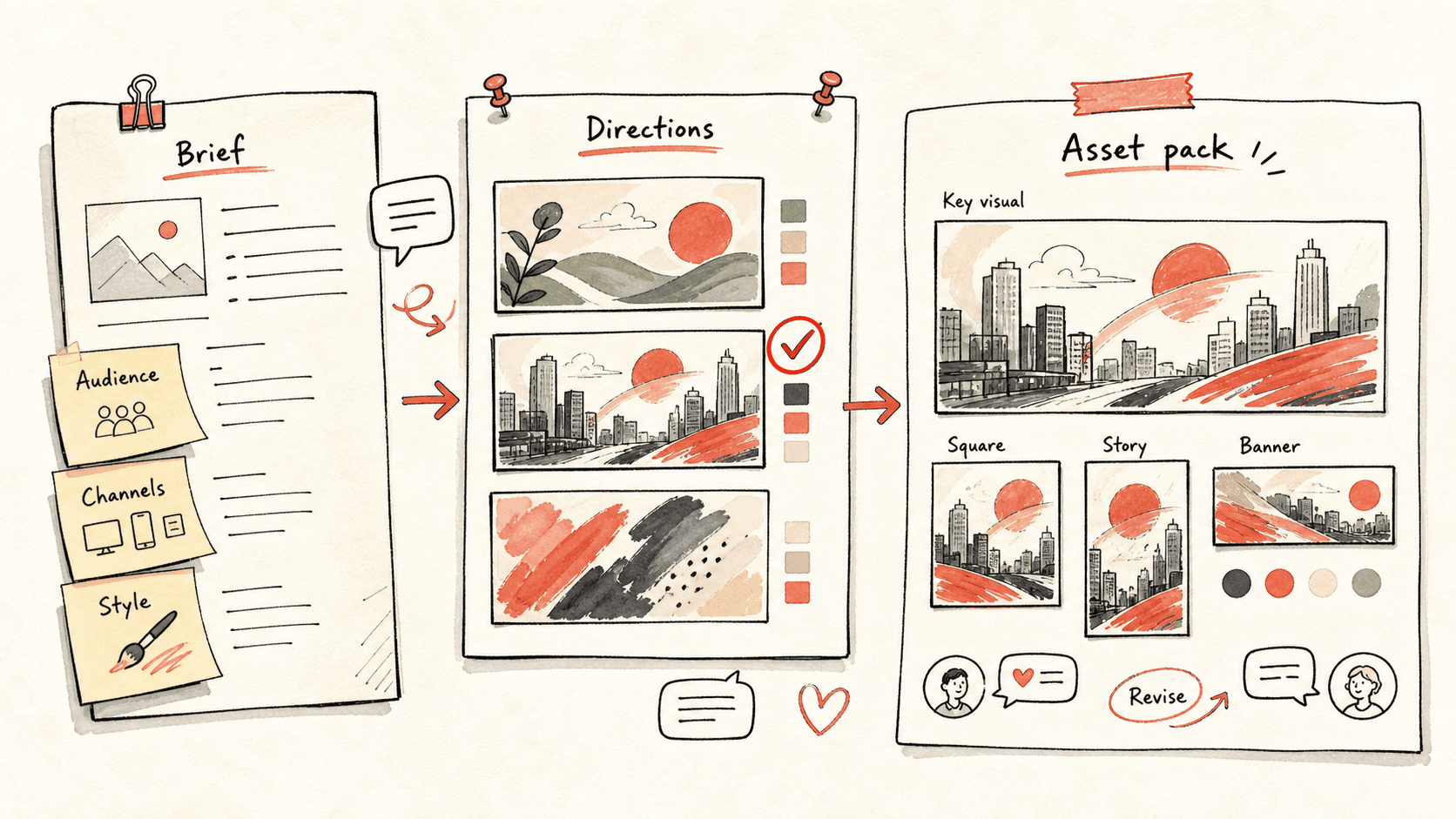
Describe the topic, audience, channel, and brand constraints. Kollab turns the brief into visual directions, generates several illustration variations, and keeps revising by chat until one is ready for articles, newsletters, LinkedIn, or other social channels.
Kollab explores distinct visual directions, then expands the chosen concept into hero, square, portrait, and wide assets your team can review and revise.
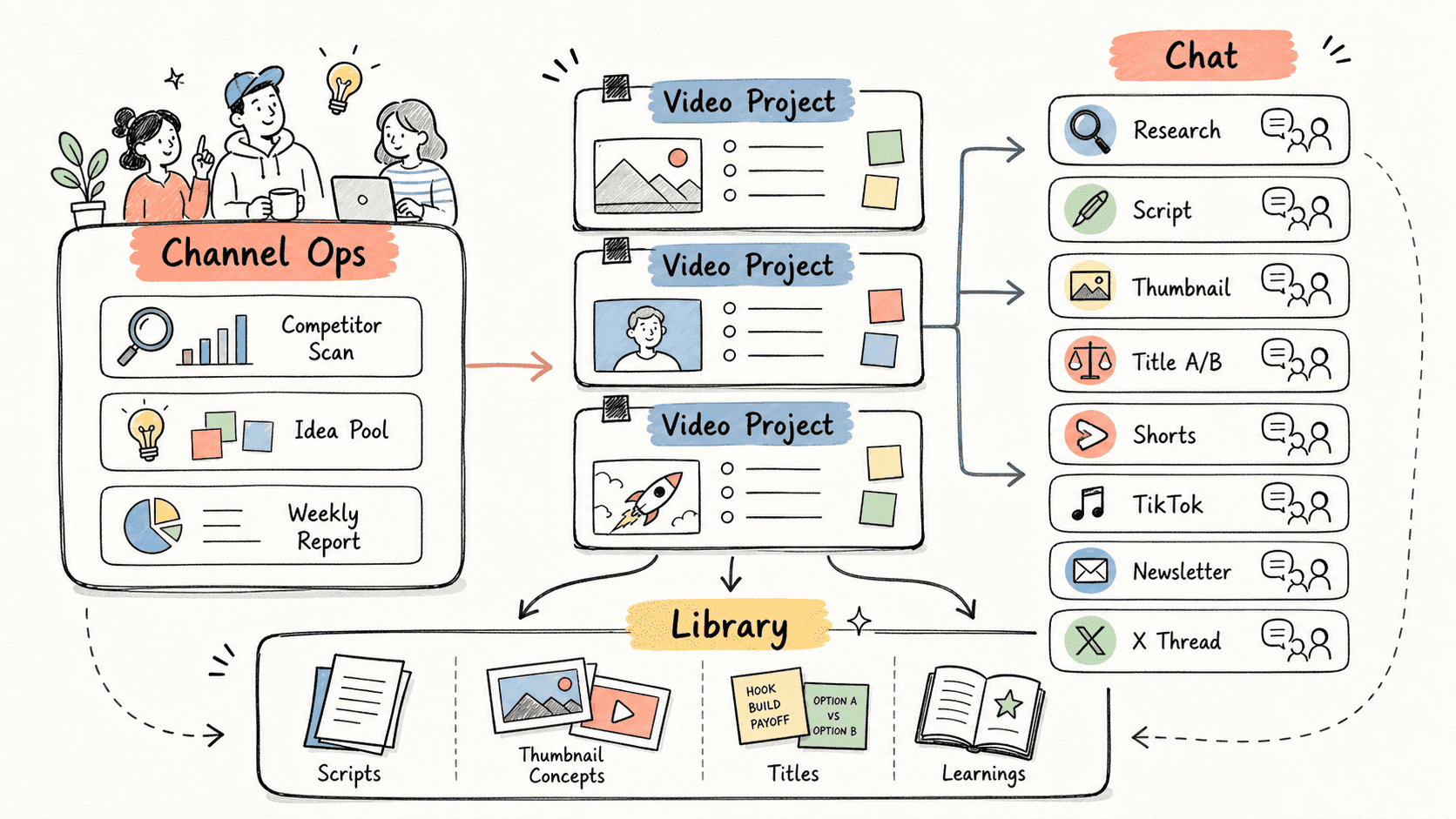
A YouTube team does not need one more script generator. It needs a repeatable operating system where channel context, weekly research, video production, and distribution work stay connected.
A KOL campaign breaks when the creator list, outreach notes, product claims, content brief, script drafts, visual assets, and publishing status are split across spreadsheets, DMs, and isolated chats.
X has too many accounts that look useful at a glance: inflated followers, paid verification, generic replies, copied engagement, and networks that amplify each other without real audience trust.
Repurposing breaks down when the original idea, transcript, platform rules, reviewer notes, and publish status live in separate places. Kollab treats your Notion / Buildin database as the operating system: each source piece becomes a record with channel assets, review status, and learning notes.
A content calendar is useful only when it changes the week. Kollab reads your Notion / Buildin database, finds blocked or empty records, fills briefs, creates draft pages, assigns reviewers, and turns the calendar into a reviewable weekly plan.
Creators rarely lack ideas. They lack a system for deciding which raw signals deserve production. Kollab reads your Notion / Buildin idea bank, clusters similar signals, finds the audience pain behind them, and turns the strongest clusters into content briefs.
Landing page work usually gets stuck between scattered feedback, vague copy comments, and old positioning docs. Kollab can read the current page, screenshots, analytics notes, voice guides, launch briefs, and customer proof, then produce a structured critique and rewrite package.
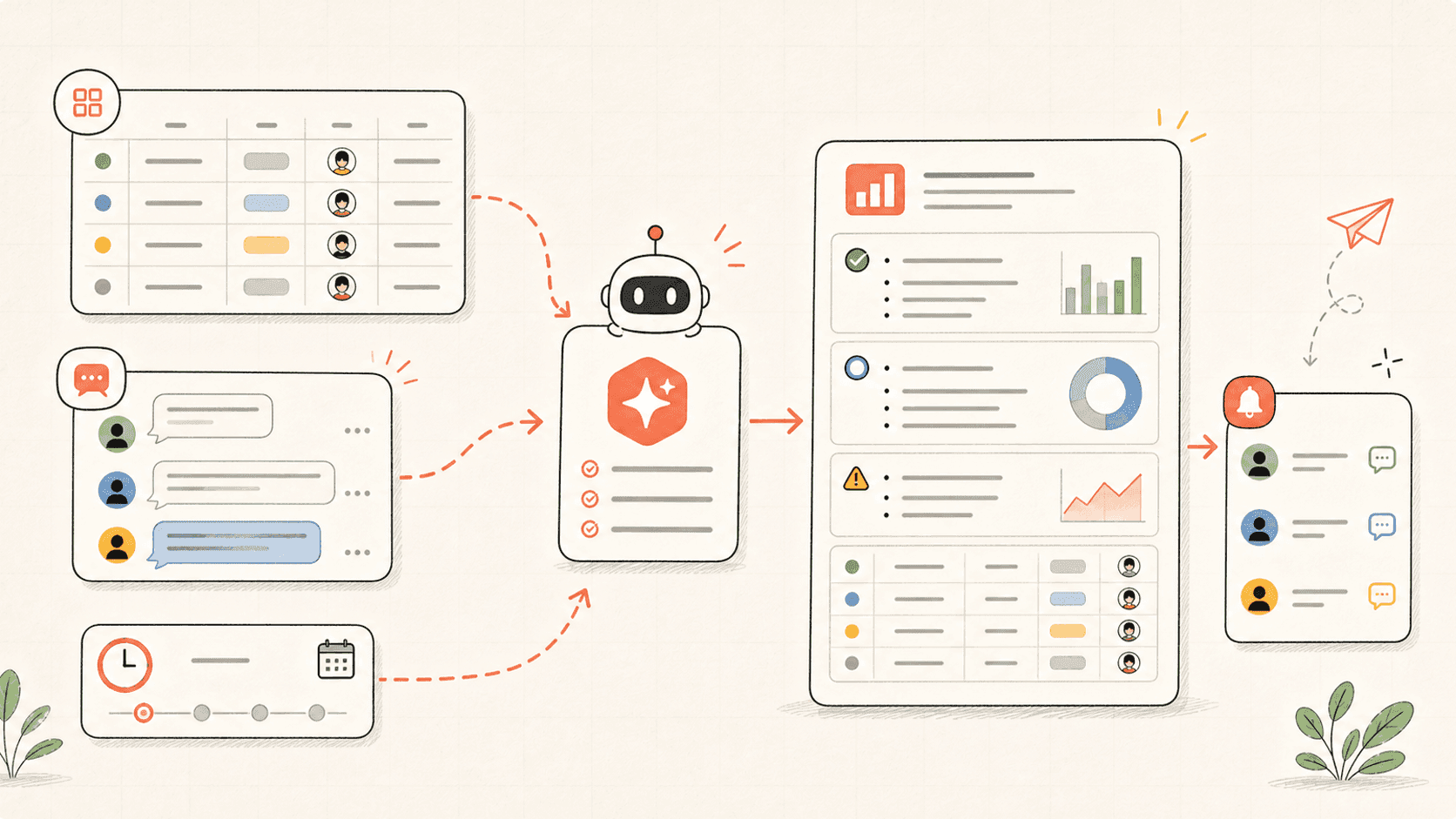
Most teams do not have one source of truth. The answer to “what is happening?” may be split across Slack threads, Google Docs, Notion pages, Linear issues, GitHub PRs, customer notes, and meeting transcripts.
Kollab turns meeting recordings into execution records with Transcript, Decisions, Action Items, Owners, Due Dates, and Needs Review flags.
Kollab first creates a reviewable written brief with Decisions, Risks, Open Questions, and Source Evidence, then turns the approved Script into a short Audio File.
Kollab turns customer calls into Product Evidence with Transcripts, Customer Quotes, Pain Points, Feature Requests, Objections, and Priority.
Sales follow-up is fragile when Call Notes, Objections, revenue signals, Next Steps, and customer context are scattered. Kollab turns the meeting audio into a structured Account Update and drafts a Follow-Up Email that stays specific to what the buyer actually said.
Kollab reads meeting audio, transcripts, and existing account context, then updates a structured ICP database with buyer roles, pain patterns, buying triggers, disqualification signals, and fit scores.
Recurring meetings waste time when every week starts from scratch. Kollab reads the latest recording together with previous meeting records, then identifies what changed, what repeated, which Action Items slipped, and which Decisions need to be reopened.
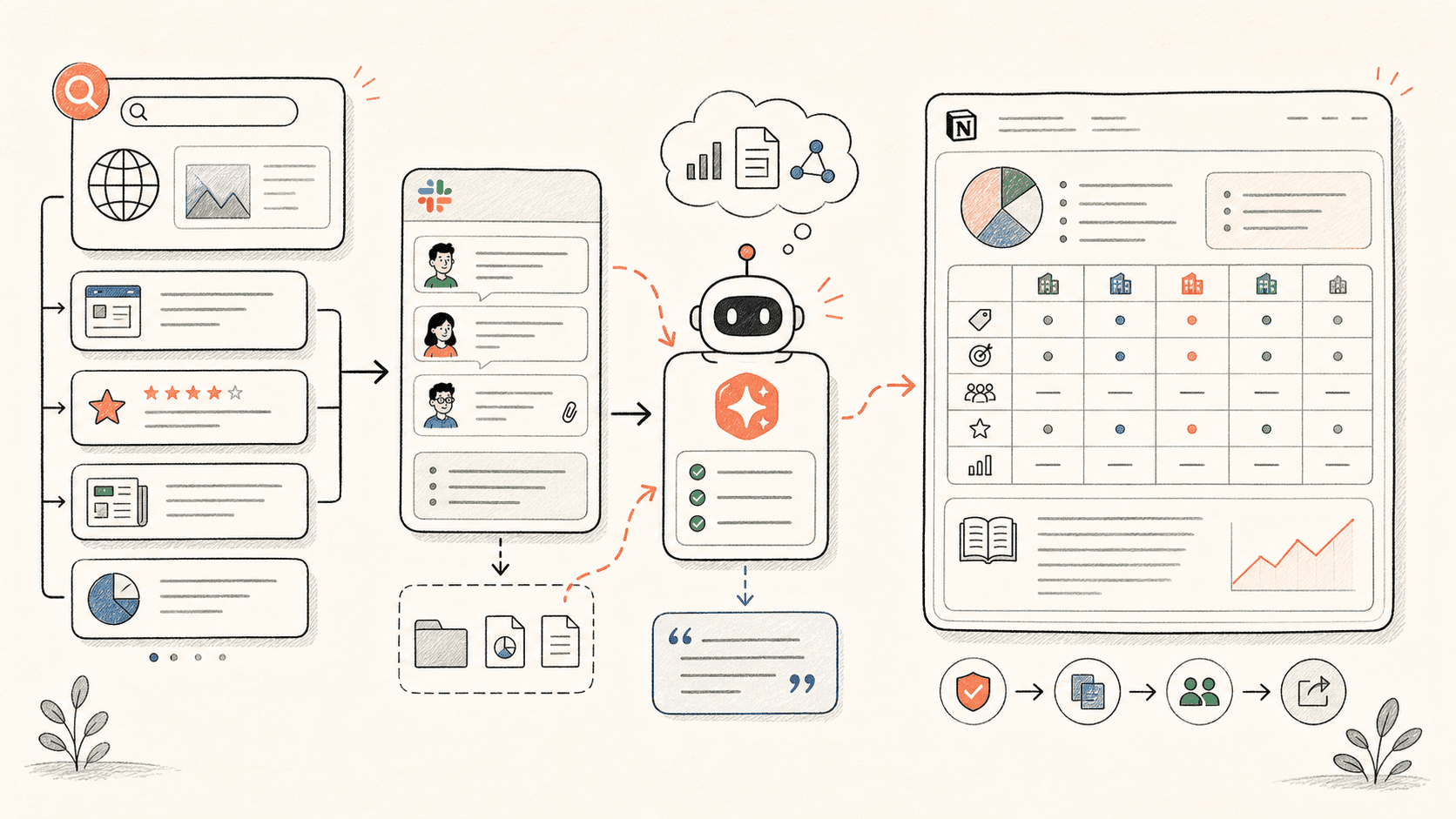
Built for GTM teams, product managers, founders, and marketers who need to track competitor launches, pricing changes, customer feedback, and market movement over time. Kollab does not stop at a one-off report. It writes public signals, internal discussion, and priority calls back into a Notion / Buildin intelligence workspace.
A review-ready product feedback roadmap with source, customer segment, pain point, request, type, priority, duplicate group, owner, status, linked issue, and roadmap suggestion.
Kollab turns your Notion or Buildin workspace into an agent-powered operating system for team work. This use case focuses on product feedback: not just filing bugs into GitHub, but turning customer voice into pain points, feature requests, duplicate groups, and roadmap suggestions.
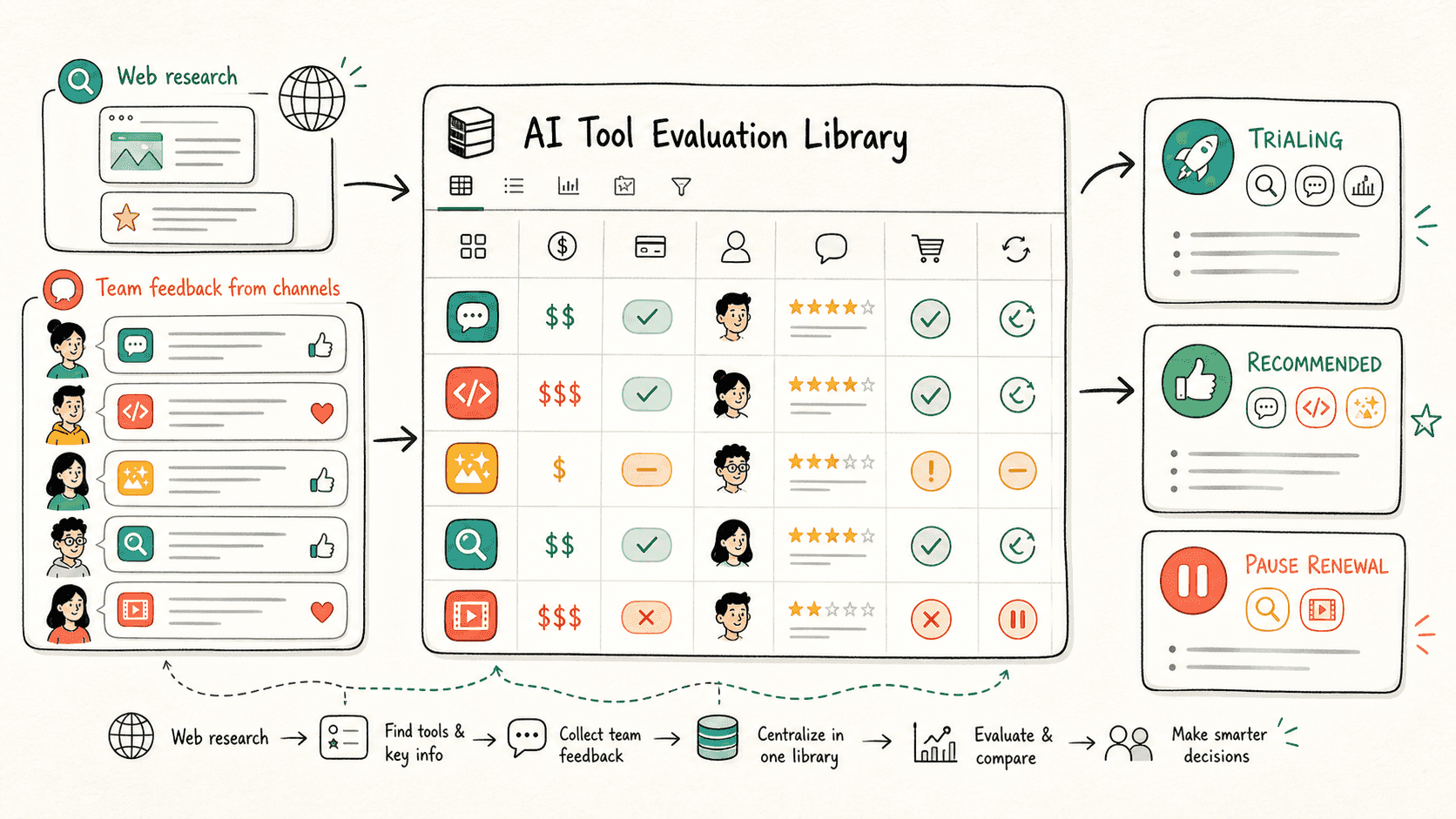
Built for product teams, operations teams, technical leads, and procurement owners who need to manage AI tool evaluation, purchasing, and subscription reviews. It is especially useful when teammates have tried tools like ChatGPT, Claude, Cursor, Midjourney, and Runway, but trial feedback, paid seats, renewal dates, and use cases are scattered across Slack, meeting notes, and personal docs.
Summaries are useful, but they often leave the hard part untouched: do you really understand the idea, the assumptions behind it, and the parts you are likely to confuse?
A syllabus explains what a course covers, but it rarely becomes a working learning system by itself. Kollab reads the syllabus, lecture links, PDFs, readings, and your goal, then turns them into a weekly plan you can actually follow.
Many research inputs are not clean web links. They arrive as PDFs, screenshots, scanned notes, product images, proposals, reports, or meeting photos.
Reading notes become useful when they reveal a pattern: what you keep reading, what you avoid, which ideas repeat across books, and where your understanding is still thin.
Interest usually starts from one link, one clip, one product, or one half-formed question. The hard part is knowing what sits around it: prerequisite concepts, related fields, missing assumptions, and where your current view is too narrow.
Searching for more information is easy. Finding sources that are credible, diverse, and actually useful for the next step is harder.
La Copa Mundial genera demasiados momentos para que un equipo pequeño improvise cada día. Kollab convierte notas de partidos verificadas, equipos, ventanas de juego, canales y objetivos de campaña en un flujo Agent con activos de calendario, borradores, responsables, revisores y tareas de seguimiento.