Blog

The Complete Guide to Kollab Skills: Helping AI Agents Truly Understand Your Work Style (2026)

Jun 4, 2026enSency ShenGuides7 min read
image.png

Do you have to explain the workflow from scratch every time you start a new conversation? Kollab Skills completely change that. This article explains what Skills are, how to use the Skill Marketplace, and how to use /skill-creator to package your own custom workflows—all for free.

Kollab SkillAI Agent SkillsKollab Skill MarketplaceAI Workflow AutomationReusable AI Skillsskill-creatorKollab Agent Tips

Every time you open Kollab, do you still find yourself pasting the same context?

“We’re a B2B SaaS company targeting IT managers at small and medium-sized enterprises, so our content should be professional yet approachable…” How many times have you typed that?

Kollab Skill is designed to solve this problem.

The Complete Guide to Kollab Skills: Helping AI Agents Truly Understand Your Work Style (2026) image

What is a Kollab Skill?

A Skill is a pre-packaged, reusable set of AI workflow instructions. It consists of a name, description, instructions, and (optional) attached files, and is stored in your Kollab workspace for your Agent to call upon at any time.

When you start a task in Kollab, the Agent automatically detects the current work context, determines which Skills are applicable, and loads them into the context. You don’t need to activate it manually—it knows when to appear on its own.

The key difference between a Skill and a regular prompt lies in persistence and automation:

Comparison Criteria Standard Prompt Kollab Skill
Does it load automatically? No, must be pasted manually Yes, triggered upon scene match
Can it be reused across sessions No Yes
Can attachments be included? No Yes (guidance documents, scripts, templates, etc.)
Can it be shared with a team? Difficult Yes
Can it be version controlled? No Yes

Simply put: A regular prompt is like a sticky note you manually insert each time, while a Skill is the Agent’s ever-present work manual.

The Complete Guide to Kollab Skills: Helping AI Agents Truly Understand Your Work Style (2026) image

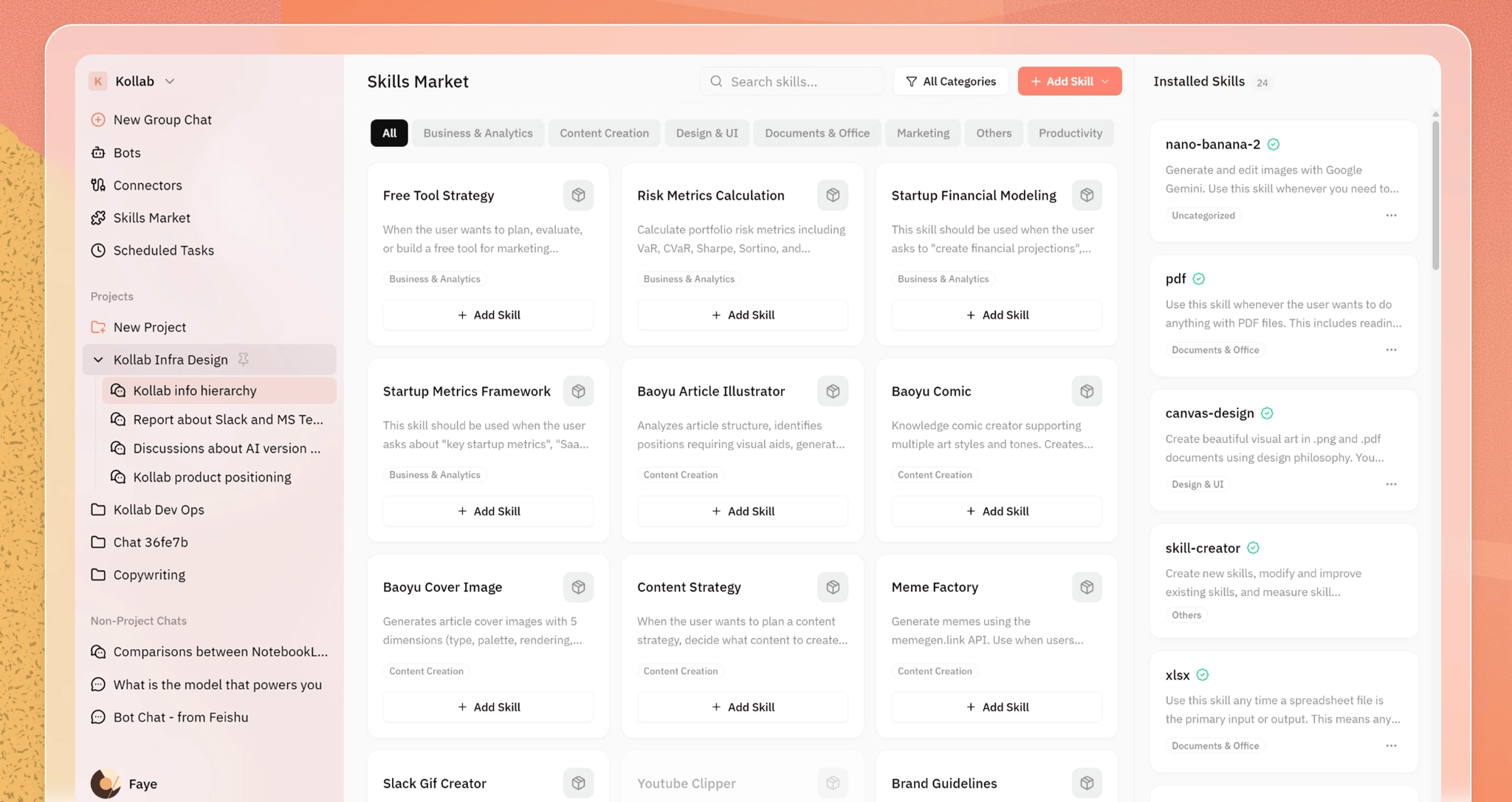
Kollab Skill Marketplace: You don’t have to start from scratch

Kollab includes a built-in Skill Marketplace featuring ready-to-use Skills contributed by Kollab and the community, covering categories such as research, content creation, data analysis, coding, and media generation. You can enable these Skills directly or modify and adapt them to suit your specific work needs.

A selection of popular official Skills:

  • /researcher — Synthesizes information from multiple sources for research, suitable for market research, competitor analysis, user profiling, and in-depth industry reports

  • /guizang-ppt — AI-generated landscape-oriented HTML presentations; simply describe your needs in a single sentence to generate professional slides

  • /web-search — Real-time online search to retrieve the latest information and data

  • /anysearch — Vertical domain search (academic, finance, legal, code, etc.), with full-text content extraction support

  • /gpt-image-2 — Text-to-image generation powered by GPT Image 2, ideal for marketing visuals, cover designs, and social media content

  • /seedance-2 — Text-to-video generation powered by Seedance 2, ideal for product demos and content marketing

  • /doubao-tts — Text-to-speech narration, ideal for creating podcasts, video voiceovers, and audio course materials

Each Skill comes with real-world use case demonstrations. If you see a Skill and want to adapt it for your own needs, simply click "Remix" to modify it and create a Skill that’s uniquely yours. This means you don’t have to start from scratch—you can quickly iterate on the collective wisdom of the community.

The Complete Guide to Kollab Skills: Helping AI Agents Truly Understand Your Work Style (2026) imageThe Complete Guide to Kollab Skills: Helping AI Agents Truly Understand Your Work Style (2026) image

Three ready-to-use Skill scenarios

Scenario 1: Brand consistency checks for content teams

Whether it’s WeChat Official Accounts, Xiaohongshu, or client emails, every time you have AI generate content, the tone, wording, and formatting of the output can vary. The style might be spot-on today, but tomorrow, with a different writer, it could be completely different.

You can create a “Brand Voice Skill” that packages your brand values, prohibited vocabulary, recommended sentence structures, and target audience descriptions. Afterward, simply tell Kollab, “Write a product introduction for me,” and the Agent will automatically generate the text using these standards—no need to provide background materials every time.

Scenario 2: A researcher’s information discovery workflow

When researching the same topic, different people run different searches and find sources of varying quality. If you have a set of “high-quality source discovery” criteria—such as prioritizing academic sources, avoiding content marketing articles, and seeking primary data—you can package these standards into a Skill.

From then on, whenever you ask the Agent to conduct research, it will filter sources according to your criteria rather than randomly grabbing them based on default behavior. Everyone on the same team will use the same set of quality standards for their research—rather than each person relying on their own.

Scenario 3: Product Team Sprint Retrospectives

After every Sprint review meeting, you need to organize the recording or notes into: Decisions, Owners, Next Steps, and Open Issues. This structure is always the same, but you still have to tell the AI all over again every time.

Package this structure into a “Sprint Retrospective Skill.” Simply feed the raw meeting notes to Kollab, and it will automatically output the results in your team’s format—not just a template, but an output structure that truly understands your workflow. No matter which day of the Sprint you run this Skill, the results will always follow the same format and standard.

The Complete Guide to Kollab Skills: Helping AI Agents Truly Understand Your Work Style (2026) image

How to Create Your Own Skill with /skill-creator

Kollab includes /skill-creator, and the entire creation process requires no coding. You simply describe your needs in natural language, and /skill-creator will generate a structured Skill file for you.

You just need to answer four questions:

  1. What workflow does this Skill handle? (e.g., “Help our team create a competitor report by collecting 3 product updates and marketing actions from competitors each week”)

  2. Who will use it, and how often?

  3. What context do you currently have to enter manually each time?

  4. Are there any templates, reference documents, or scripts that need to be included?

/skill-creator will generate:

  • Skill name and description (this description determines whether the Skill will trigger automatically)

  • Complete command content

  • Recommended file structures for /references and /scripts (automatically suggested when external files are required)

A minimally viable Skill of acceptable quality, from description to generation, typically takes no more than 30 minutes.

The Complete Guide to Kollab Skills: Helping AI Agents Truly Understand Your Work Style (2026) imageThe Complete Guide to Kollab Skills: Helping AI Agents Truly Understand Your Work Style (2026) image

Key Tip: The quality of your Skill description directly determines whether it will trigger automatically. A description that is too broad (“helps process content”) will almost never trigger automatically. The more specific the description—including applicable scenarios, target audience, and trigger words—the higher the trigger rate.

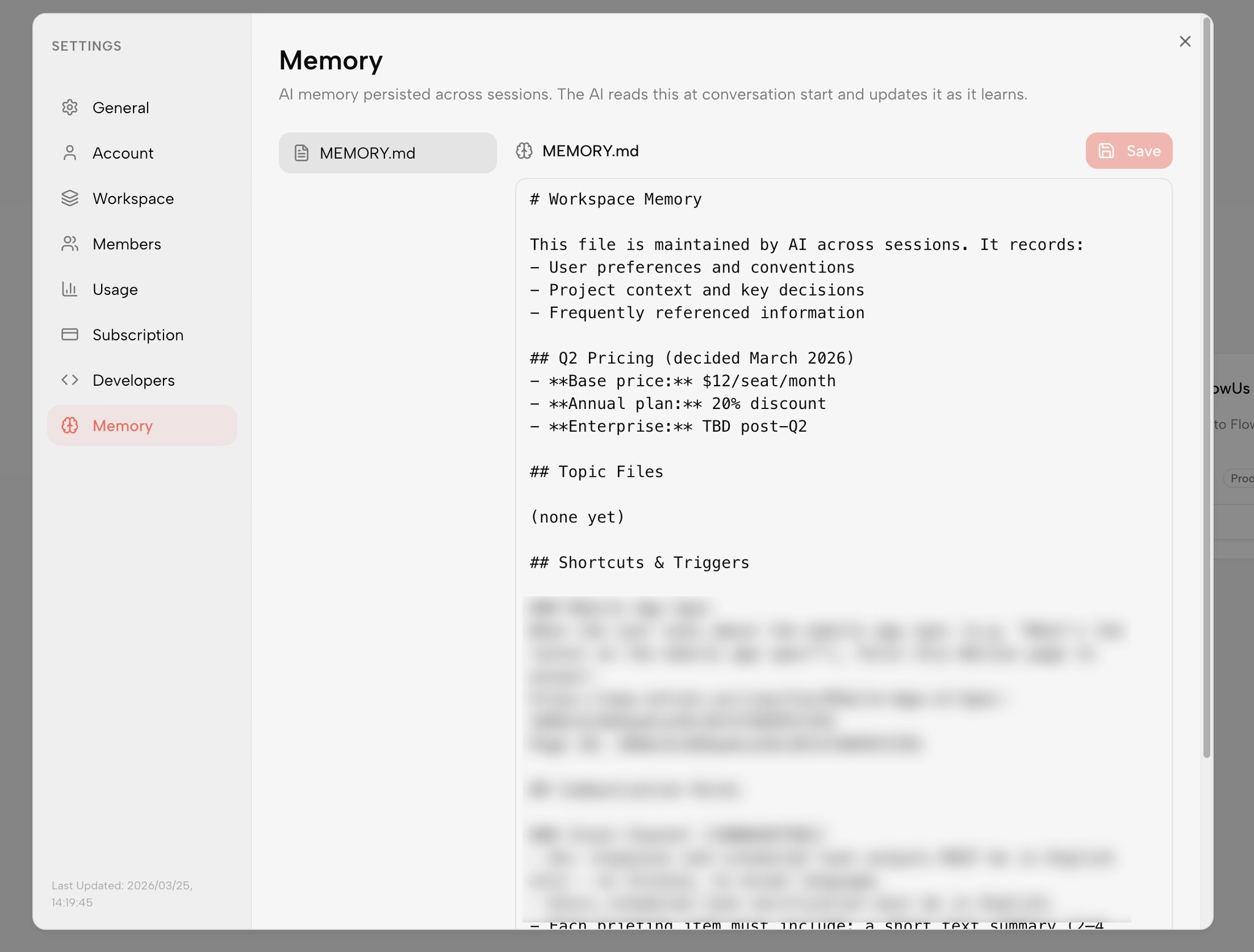
Team Collaboration: Turn the Skill into a Shared Knowledge Base

Individual Skills are useful, but only team Skills can truly eliminate information silos. A truly effective team AI tool is one where every team member consistently receives AI outputs of the same high quality.

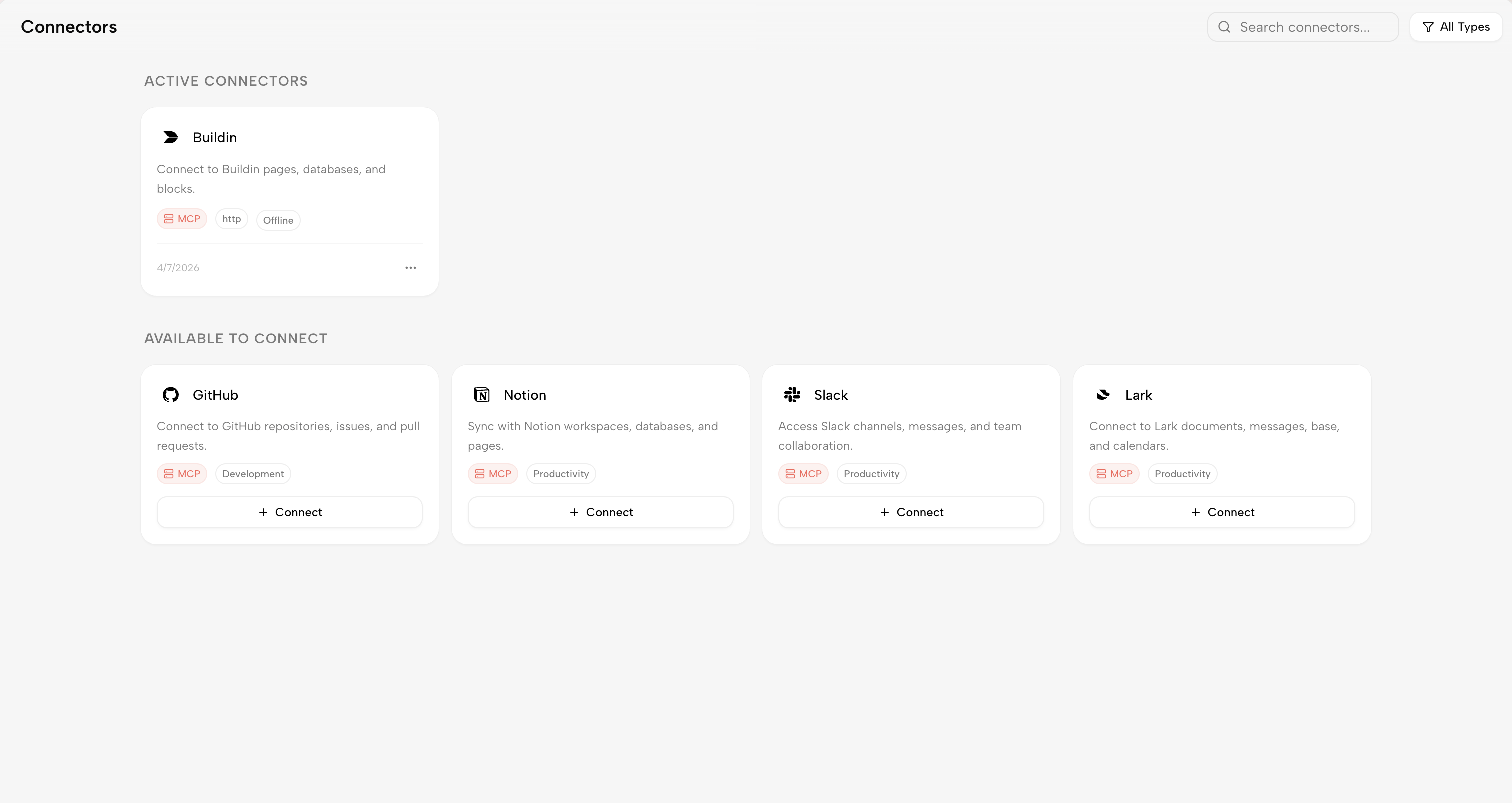
Kollab Skills can be linked at the Project and Bot levels, which means:

  • All tasks within the same project can automatically load the same set of Skills, eliminating the need for reconfiguration each time

  • The Bots you set up automatically run with these Skills, eliminating the need for reconfiguration each time and allowing them to be directly deployed for use by other team members

  • New team members can immediately access the existing Skill library, eliminating the need for "veterans mentoring newcomers" through word-of-mouth

This is the fundamental difference between Kollab and “treating AI as a chat tool”: the former builds a growing knowledge asset accessible to everyone; the latter reinvents the wheel every time.

The Complete Guide to Kollab Skills: Helping AI Agents Truly Understand Your Work Style (2026) imageThe Complete Guide to Kollab Skills: Helping AI Agents Truly Understand Your Work Style (2026) image

The first step starting today

You don’t need to map out the entire Skill system first. Identify the work task you repeat most frequently this week—the one that requires you to manually enter background information every time—and package it into your first Skill.

Testing is simple: describe the task directly without manually saying “Use this Skill.” If the Agent automatically acts according to your Skill, it’s written correctly; if not, adjust the trigger conditions in the Skill description.

This is a one-time investment that saves you effort every time you use it. Once your team has accumulated 5–10 high-quality Skills, the AI is no longer just a general-purpose assistant—it becomes a dedicated collaborator that truly understands how you work.


Give it a try: Enter the following prompt in Kollab and let /skill-creator help you start building your first Skill:

“Help me create a reusable Kollab Skill. First, ask me: (1) What workflow does this Skill handle? (2) Who will use it, and how often? (3) What context do I currently have to enter manually each time? (4) Are there any templates or files that need to be attached?”

Keep exploring this topic

Use these next pages to move from the article into product details, comparisons, and workflow examples.

Related Articles