Mi AI Stack para cubrir World Cup 2026 en solitario

Cómo un creador usa Kollab, AI Agents y Skills para gestionar investigación, imágenes, borradores y publicación de World Cup 2026.
El mayor evento deportivo de la década ya está aquí. 48 equipos. 104 partidos. Una mina de oro en contenido, y yo soy sólo una persona con una computadora portátil.
ElFIFA World Cup 2026comenzó el 11 de junio y la escala de este torneo no se parece a nada anterior. Por primera vez, 48 naciones compiten en 16 grupos, lo que significa casi el doble de historias, el doble de sorpresas y el doble de momentos sobre los que vale la pena escribir. Dentro de las 72 horas posteriores al pitido inicial, publiqué 6 análisis de partidos extensos, 4 artículos destacados de los jugadores, un seguimiento completo de los grupos de torneos y un hilo social diario que superó los 400 seguidores. Sin editores. Sin investigadores. Sin diseñadores gráficos.
No soy una empresa de medios. Soy una sola persona. Y lo único que cambió este año es que dejé de hacer malabarismos con cinco AI aplicaciones y comencé a trabajar dentro de una.
En números:48 equipos · 104 partidos · 16 grupos · 3 naciones anfitrionas · 16 ciudades. El 2026 World Cup es el evento deportivo con mayor contenido de la historia y la ventana de contenido avanza rápidamente.
El problema con las "cinco aplicaciones AI"
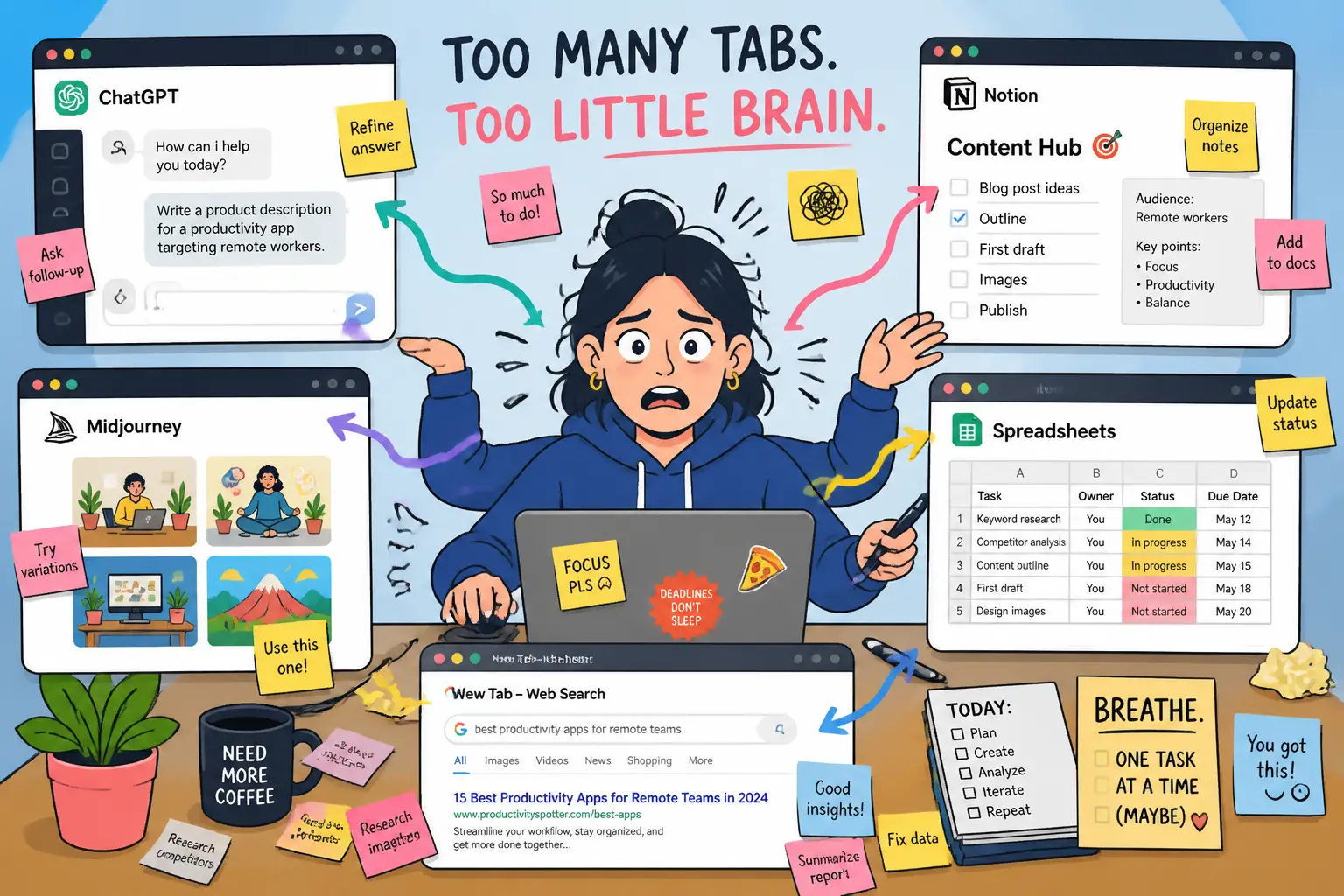
Antes de este torneo, mi flujo de trabajo de contenido World Cup era un ejercicio diario de frustración. Cada día de partido me exigía mantener un estado mental paralelo en media docena de herramientas, ninguna de las cuales sabía lo que estaban haciendo las demás.
Abre ChatGPT para investigar las estadísticas de los jugadores y reza para que la sesión aún esté activa.
Copie y pegue todo en Notion para comenzar a redactar el artículo.
Cambie a Midjourney para ver una imagen de encabezado que redescribe todo el escenario del partido desde cero.
Vaya a una hoja de cálculo para realizar un seguimiento de las estadísticas y clasificaciones
Abra otra pestaña del navegador para realizar búsquedas web en tiempo real
Pierde el hilo ChatGPT original y vuelve a explicar todo desde arriba.
El impuesto al cambio es real.La investigación muestraEl cambio de contexto puede costar hasta el 40% del tiempo productivo. Cuando un partido dura 90 minutos y la ventana de contenido es de 30 minutos después del tiempo completo, es un impuesto que literalmente no puedes permitirte.
Cada día de partido era un circo de tres horas decambio de contexto. En el entretiempo ya estaba atrasado en la investigación. Al llegar a tiempo completo, a menudo me perdía el ángulo que hacía que la gente quisiera compartir. El momento pasó.
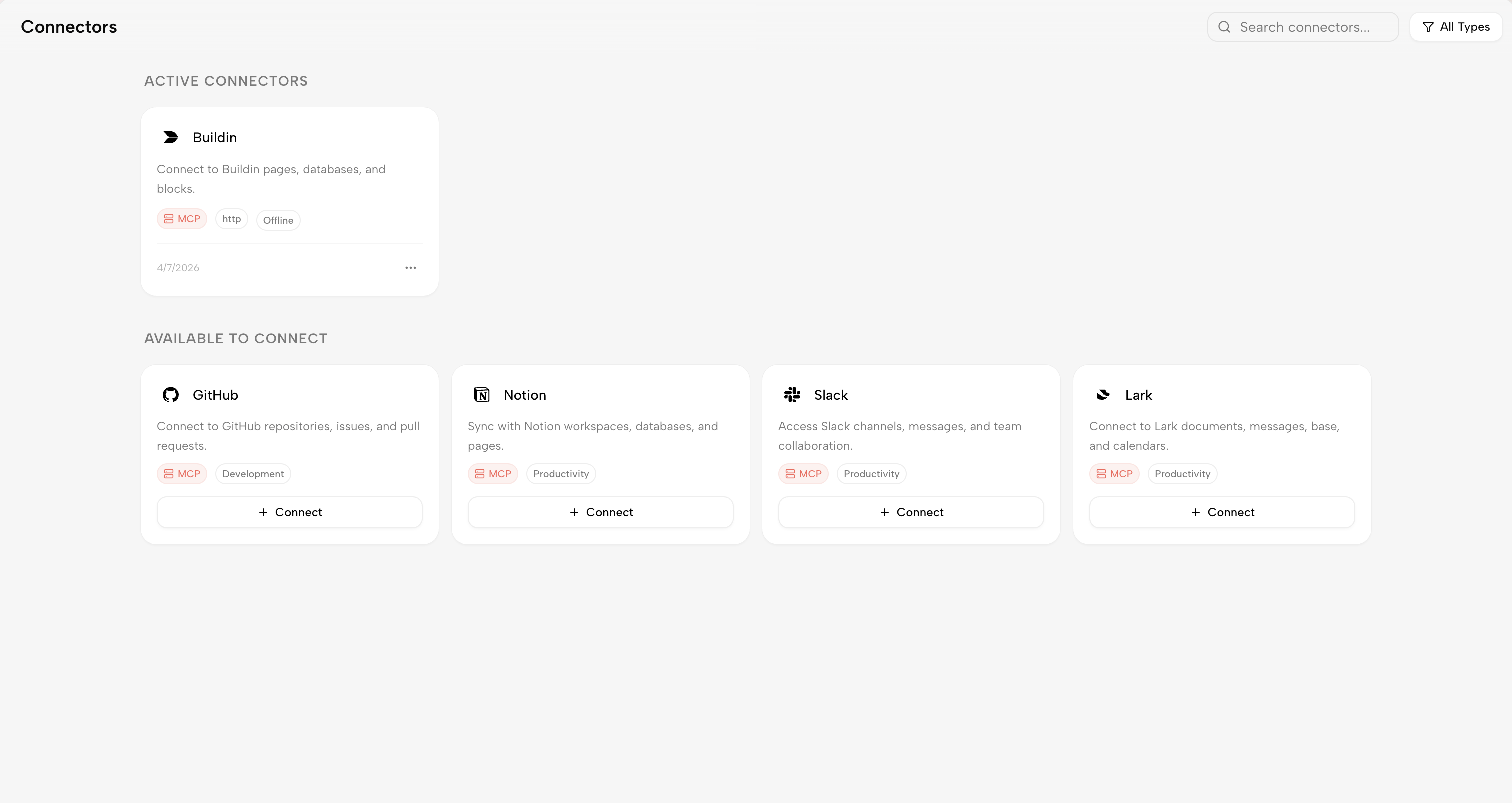
Este año, mudé todo aKollab— un AI-native workspace donde sus agentes, proyectos, base de conocimientos y resultados residen en un solo lugar. Y cambió todo en mi forma de trabajar durante el torneo.
Cómo lo uso realmente: un día de partido World Cup
Así es como se ve mi flujo de trabajo para un solo partido: digamos, Francia vs. Brasil en elOctavos de final de este nuevo formato de 48 equipos.
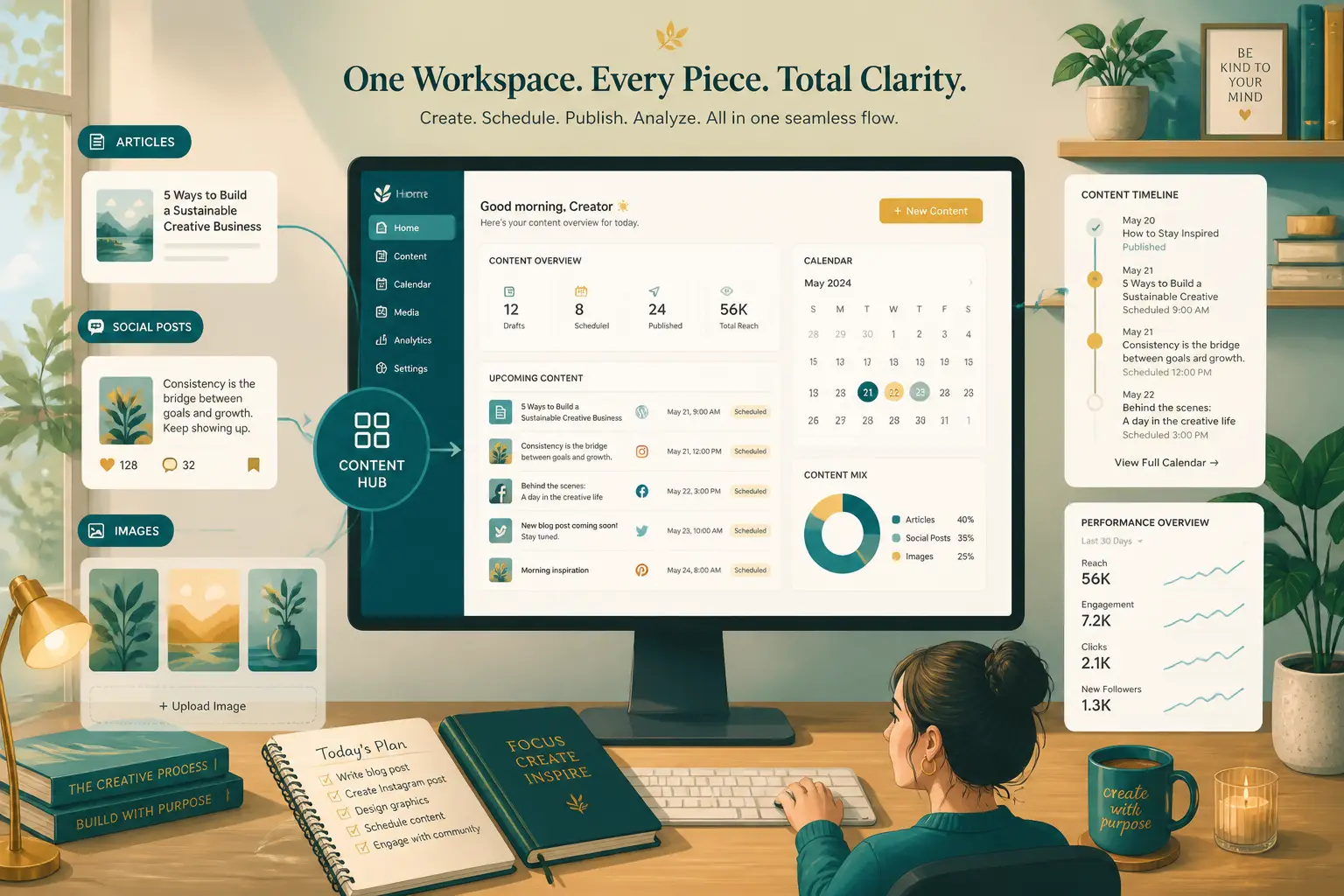
Previo al partido: investiga en minutos, no en horas
Abro un Kollab workspace. Mi AI Agent obtiene noticias del equipo, estado de forma reciente, estadísticas cara a cara y análisis táctico de la web en una sola ejecución. Todo aterriza en el mismo proyecto: sin copiar y pegar, sin cambiar de pestaña.
Porque Kollab tienememoria persistente, ya sabe lo que escribí sobre Francia hace tres partidos. Conoce mi ángulo: me concentro ensistemas de prensadoy juego de transición, no sólo goles y asistencias. No vuelvo a explicar mis preferencias de estilo cada vez. El Agent continúa exactamente donde lo dejamos.
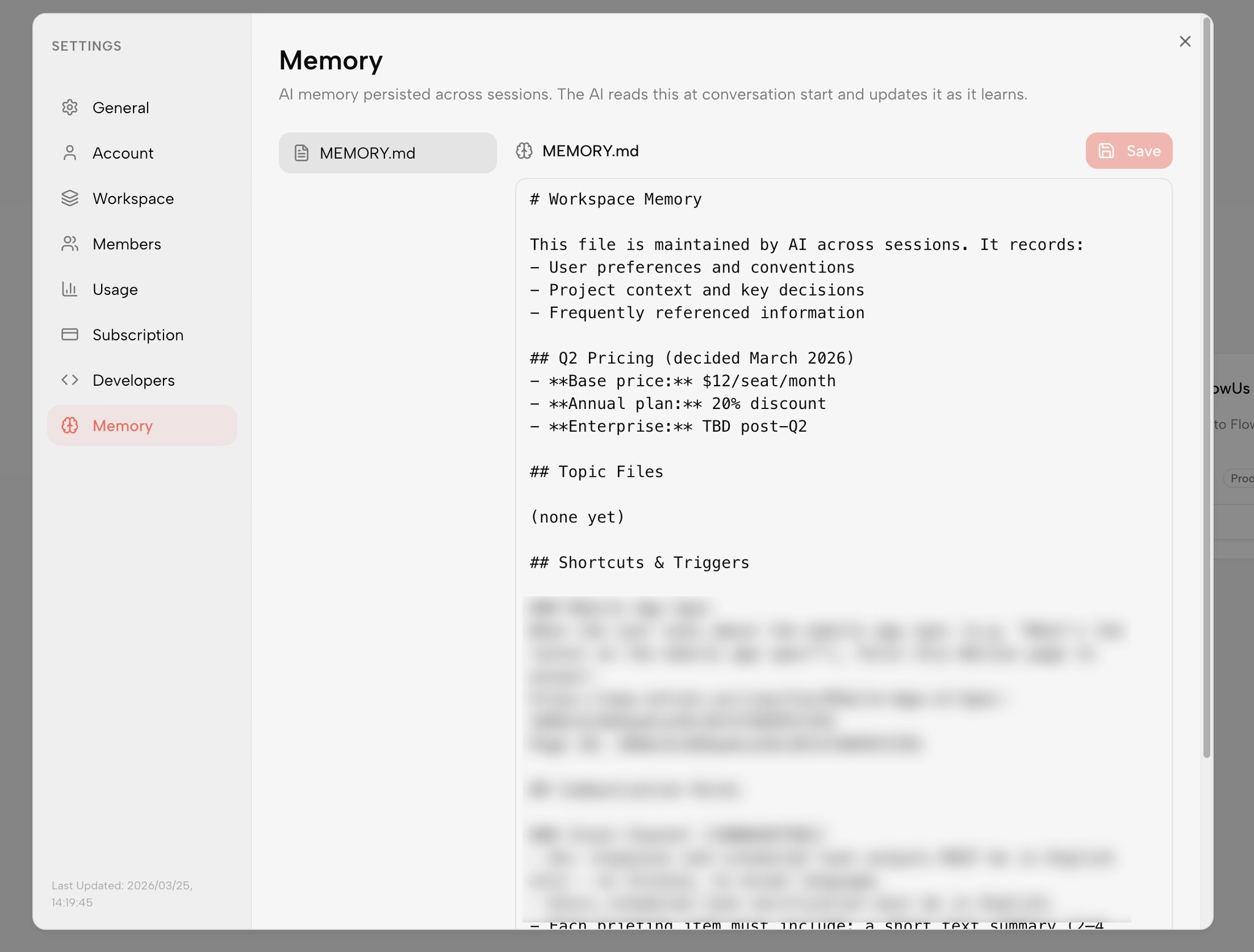
Tiempo de investigación: ~10 minutos en lugar de 45. Eso es una hora que me devuelven cada día de partido.
Durante el partido: Anotación en vivo
Mantengo una pestaña workspace abierta. A medida que se desarrolla el partido, dejo notas rápidas: un momento desencadenante urgente, una sustitución clave, un cambio táctico. El Agent me ayuda a estructurarlos en tiempo real en un ángulo narrativo emergente mientras el juego aún se está ejecutando.
No más cambiar de aplicación a mitad del partido. No más perder mi hilo. El contexto se mantiene vivo.
Post-partido: Artículo en 20 minutos
Con todo el contexto ya cargado en el workspace, le pido al Agent que redacte el análisis completo. Se basa en mis notas en vivo, la investigación previa al partido y el marco táctico que he estado construyendo a lo largo del torneo. Edito el resultado directamente: Kollab me permite refinar el contenido generado por AI justo donde se creó, no en un documento separado.
entonces usoGeneración de imágenes de Kollabpara producir un objeto visual de encabezado de coincidencia. Mismo workspace, cero cambios de aplicación.
Tiempo total desde el pitido final hasta el artículo publicado: menos de 30 minutos.Eso me llevaba tres horas. El torneo dura un mes, es decir, regresan días de tiempo productivo.
La característica que lo hace funcionar: Agent Skills
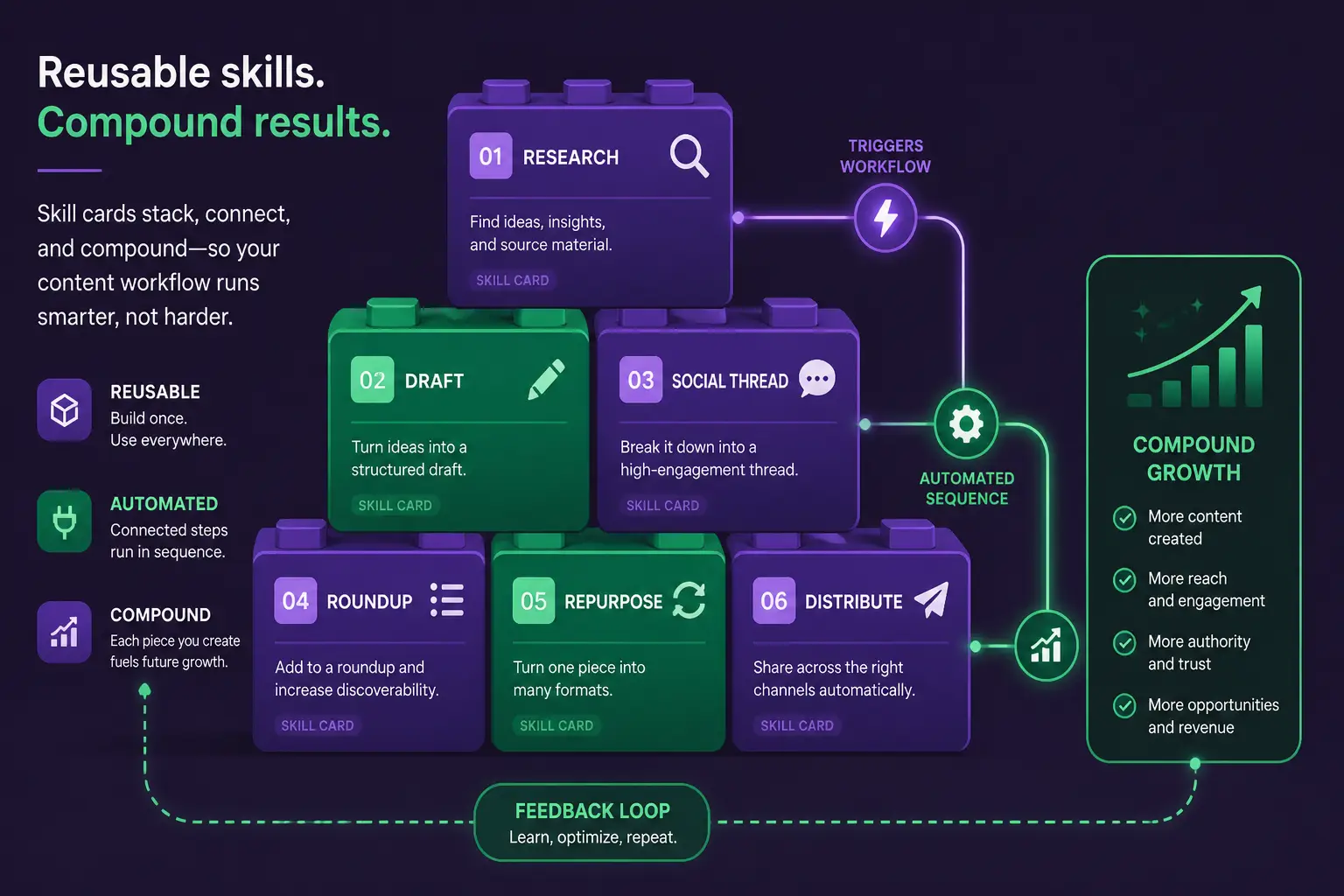
El verdadero desbloqueo esAgent Skills.
Después de mis primeros tres análisis de coincidencias, guardé todo mi flujo de trabajo (las indicaciones de investigación, la estructura del esquema, las pautas de tono) como un Skill reutilizable. Ahora lo aplico a cada partido con un solo clic. No se trata de empezar desde cero. Esinterés compuesto en mi mejor trabajo.
Tengo Skills para:
Sesión informativa previa al partido— Obtiene datos del equipo, forma reciente e historial táctico. Aparece el ángulo narrativo más interesante antes del inicio. Se ejecuta en menos de 60 segundos.
Análisis del partido— Estructura notas en vivo sin procesar en un artículo completo con ángulo, flujo y voz consistentes. Primer borrador en menos de 5 minutos.
Hilo social— Convierte el artículo en un hilo de 5 tweets optimizado para la participación. Muestra automáticamente los momentos más compartibles.
Resumen semanal— Sintetiza los partidos de la semana en una sola pieza editorial con una narrativa y puntos de datos consistentes.
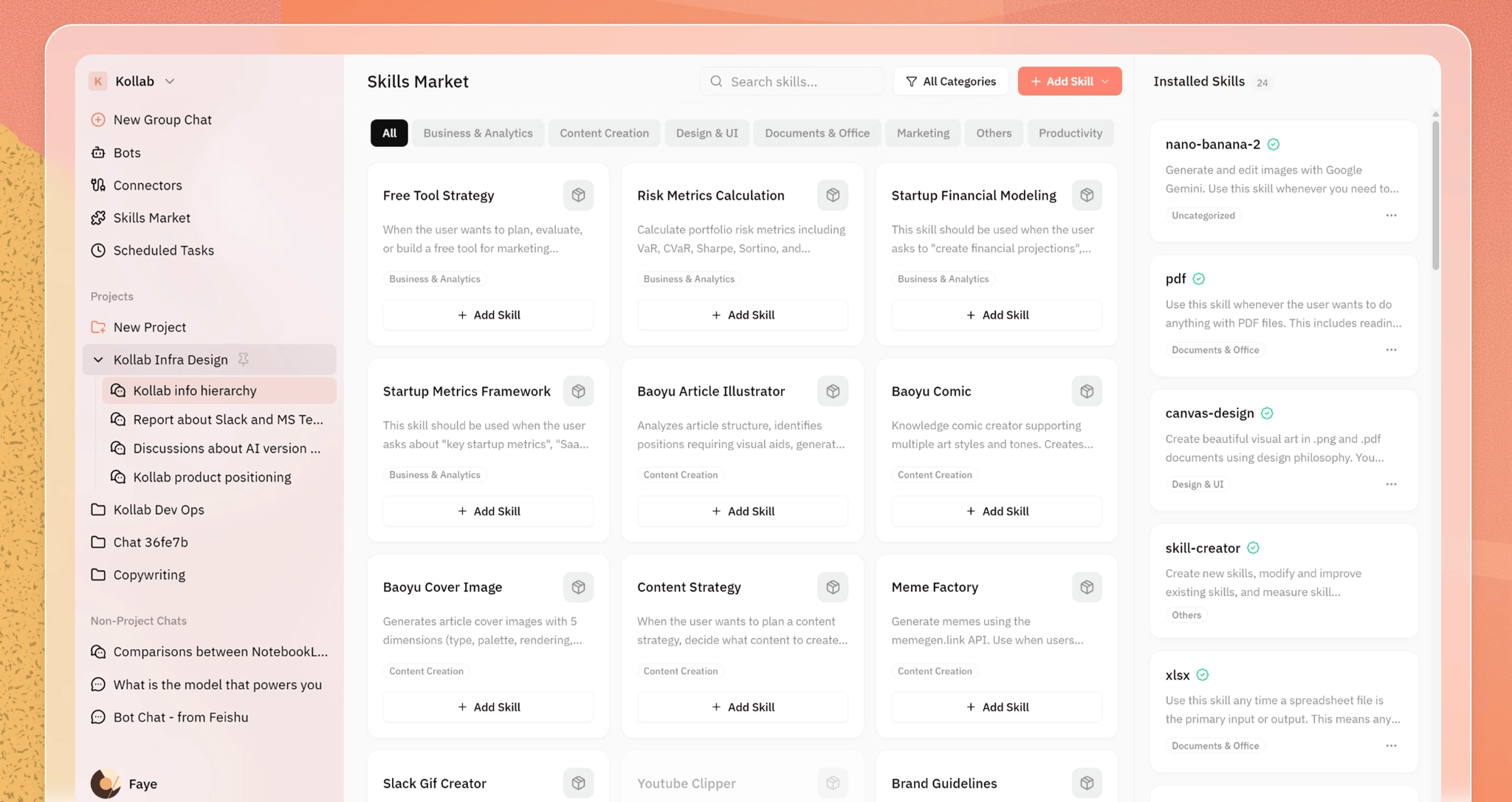
Cada Skill se ejecuta en segundos. Cada salida es editable. Y debido a que todos viven en el mismo workspace, cada contenido que publico en este torneo se construye hacia algo: un cuerpo de trabajo con voz consistente y contexto rastreable.
La primera vez que construyes un Skill, cuesta 30 minutos. Cada vez que lo usas después de eso, te devuelve el dinero. Para la partida 20, has recuperado más de 10 horas.
Cómo se siente realmente "un espacio de trabajo"
Solía sentirme como un autónomo abrumado durante los grandes eventos deportivos. Grandes ideas de contenido. Pésimo ancho de banda de ejecución. La brecha entre lo que quería publicar y lo que realmente podía publicar se medía en horas (a veces, toda la ventana del partido).
Ahora siento como si tuviera un asistente de investigación, un escritor, un diseñador gráfico y un editor trabajando en la misma habitación, una que nunca olvida, nunca pierde el contexto y se vuelve más nítida cuanto más la uso.
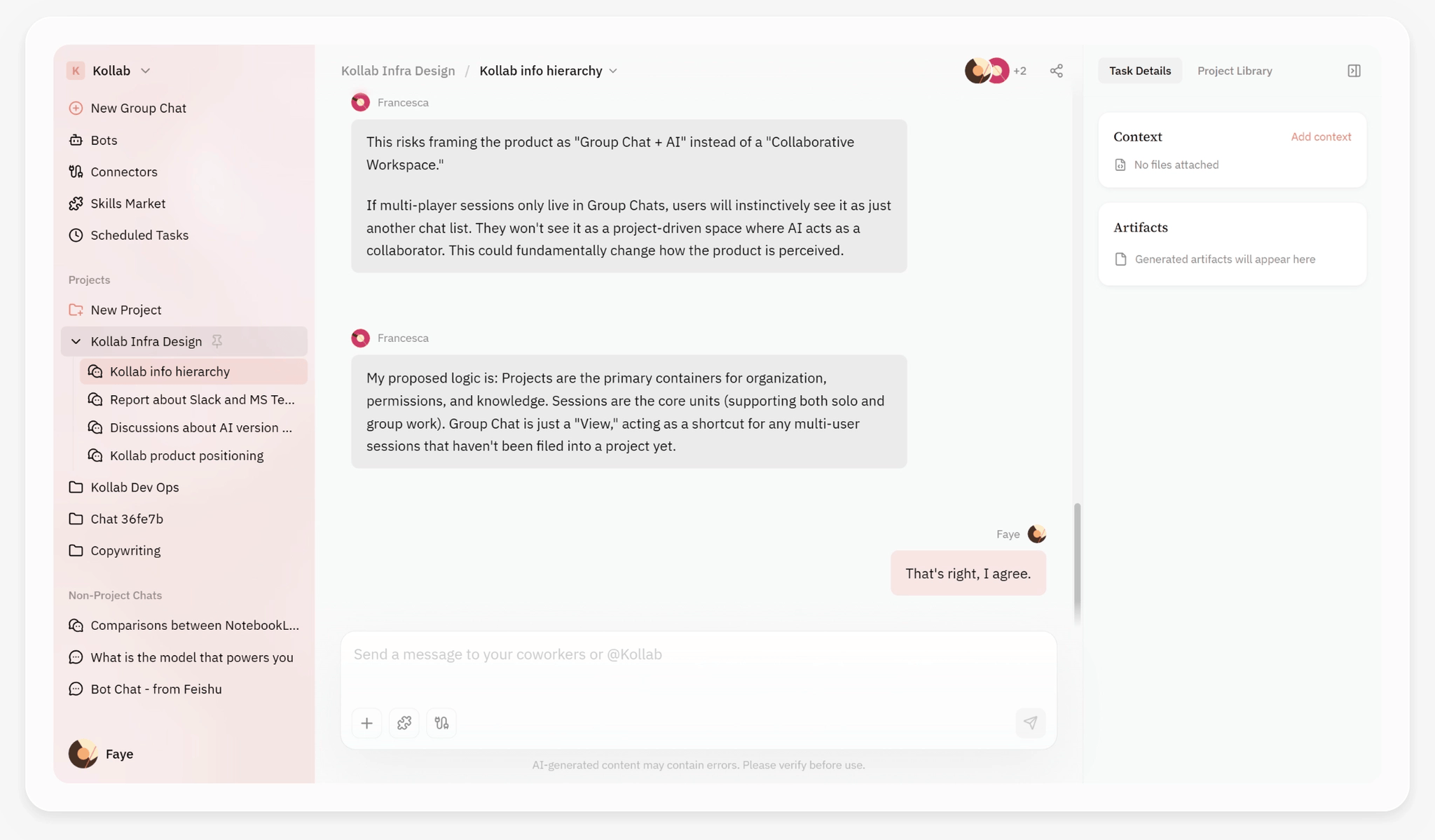
Las salidas se acumulan. El contexto se complica. El Agent no olvida lo que construimos la semana pasada: se basa en ello. Después de 20 partidos y un mes de World Cup, tendré una biblioteca de contenido completa, una voz refinada y un flujo de trabajo que es más rápido el día 30 que el día 1.
Si eres creador de contenido, periodista deportivo o simplemente alguien que quiere hacer más con el momento World Cup, deja de hacer malabarismos con las aplicaciones.
→Pruebe Kollab gratis en kollab.imCree su primer flujo de trabajo de investigación World Cup en menos de 10 minutos. El torneo ya está en marcha. La ventana de contenido no esperará.
Síguenos:@Kollab_AI el X · YouTube · Instagram