Twitter-Content-Strategie für die Weltmeisterschaft 2026: So bauen Sie die Glaubwürdigkeit Ihres Kontos über 104 Spiele hinweg auf
Die Content-Strategie von X (Twitter) für die Weltmeisterschaft 2026: drei High-Retweet-Formate und ein Workflow, der für alle 104 Spiele entwickelt wurde.
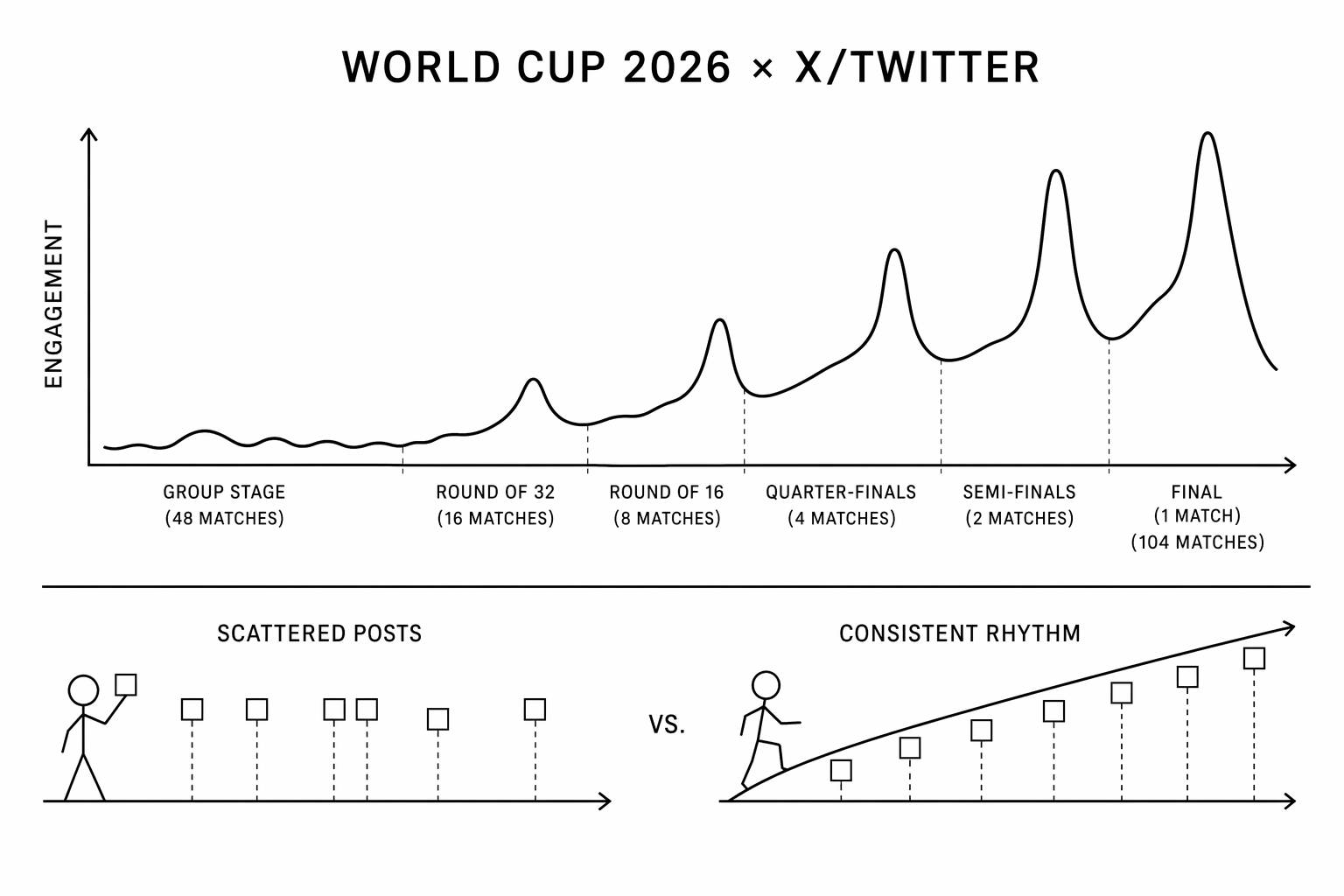
Während der Weltmeisterschaft erleben Sportinhalte auf X (Twitter) einen starken Aktivitätsschub. Vor und nach jedem Spiel steigen die Lautstärke der Themendiskussionen, die Anzahl der Zitat-Retweets und die Anzahl neuer Follower in sichtbaren Impulsen an – und dieses Muster wiederholt sich bei jedem Turnier.
Das Problem besteht darin, dass viele YouTuber in dieser Zeit ihre Inhalte recht verstreut veröffentlichen: ein kurzer Rückblick nach dem Schlusspfiff, gelegentlich ein Trendthema, kein einheitlicher Rhythmus. Das ist nicht nutzlos – aber es geht im Wesentlichen verloren mit dem Wertvollsten, was X während eines großen Turniers zu bieten hat: sich über einen längeren Zeitraum hinweg konsequent in den richtigen Themen zu präsentieren, sodass die Follower den Eindruck entwickeln, dass „dieser Account über ein zuverlässiges Urteilsvermögen verfügt“.
Bei der Weltmeisterschaft 2026 gibt es 104 Spiele, von der Gruppenphase bis zum Finale, die sich über mehr als einen Monat erstrecken. Die hohe Matchdichte ist tatsächlich ein Vorteil: Jedes Spiel ist eine Gelegenheit, Glaubwürdigkeit aufzubauen. In diesem Artikel geht es um die Inhaltsformate, die unter X wirklich funktionieren, und um die Verwendung von Kollab zur Systematisierung dieses Workflows.
Drei Beitragsformate mit hohem Retweet-Gehalt
WM-Inhalten auf X mangelt es nicht an Volumen – es mangelt ihnen an Klarheit im Format. Die drei folgenden Formate übertreffen durchweg die Retweet-Raten und Zitat-Retweet-Anzahl und sind alle für einzelne Ersteller ohne professionelle redaktionelle Ressourcen geeignet.
1. Vorhersagebeiträge vor dem Spiel (datengestützt)
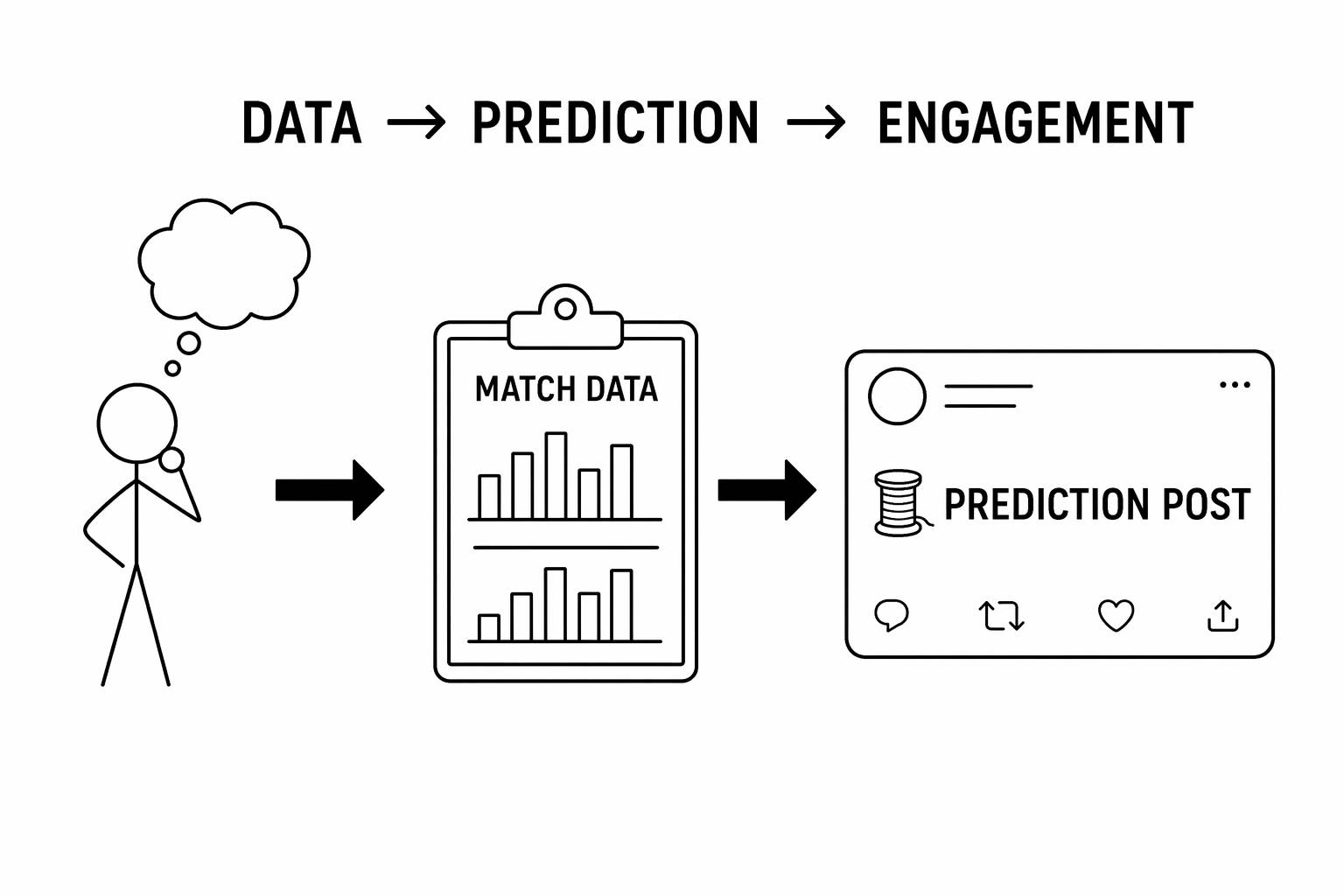
Nicht „Ich glaube, dass XX gewinnen wird“ – sondern „basierend auf den letzten Weltmeisterschaften, in denen Situationen wie diese aufgetreten sind, sieht die Ergebnisverteilung so aus …“ Data wandelt einen Prognosebeitrag von einer Meinung in Inhalt um und gibt den Lesern einen Grund, zurückzukommen und sich das Ergebnis anzusehen.
Beispiel-Beitragsstruktur:
Bei den letzten 5 Weltmeisterschaften wurden in der Gruppenphase gleichzeitig Spiele der dritten Runde ausgetragen (wenn die Teams die Ergebnisse kennen), Die Mannschaft kassierte in der zweiten Halbzeit bereits 41 % weniger Gegentore als die Mannschaft, die sich noch qualifizieren wollte.
Heute Abend spielt Gruppe C zwei Spiele gleichzeitig, wobei sich die beiden Mannschaften auf genau entgegengesetzten Positionen befinden –
🧵 Lassen Sie uns zusammenfassen, was heute Abend passieren könnte
Der Schlüssel liegt nicht darin, ob sich die Vorhersage als richtig erweist, sondern darin, dass Sie den Lesern einen Rahmen gegeben haben, mit dem sie sich beschäftigen können. Wenn das Ergebnis eintrifft, werden unabhängig vom Ergebnis dieselben Follower zurückkommen, und das Engagement bleibt in jedem Fall hoch.
2. Datenthreads nach dem Spiel (8–10 Tweets)
Threads sind das am meisten unterschätzte Inhaltsformat auf X. Ein einzelner Tweet wird durch den Ansturm konkurrierender Inhalte nach dem Spiel verwässert; Ein gut strukturierter Thread hingegen nimmt noch lange nach dem Traffic-Höhepunkt immer wieder neue Retweets auf, weil er einen Speicherwert hat – Follower betrachten sie als Referenzmaterial, auf das es sich lohnt, zurückzukommen.
Beispiel Öffnungshaken:
Das Spiel ist gerade zu Ende gegangen und mir sind 7 Datenpunkte aufgefallen, über die sonst niemand spricht. 🧵
1/ Der Ballbesitz betrug nur 36 %, aber…
Empfohlener Aufbau:
Tweet 1: Spannender Haken („X Details, die Sie möglicherweise übersehen haben“)
Tweets 2–8: Jeder konzentriert sich auf einen einzelnen Datenpunkt oder eine taktische Beobachtung und ist in sich abgeschlossen
Abschließender Tweet: Fazit + Aufforderung zum Folgen oder Zitieren des Retweets
Beschränken Sie die Gesamtlänge auf 8–10 Tweets. Die Abschlussraten fallen deutlich über 10 hinaus und auch die Speicherkonvertierung nimmt ab.
3. „Called It“-Zitat-Retweets
Dies ist eines der vertriebseffizientesten nativen Inhaltsformate auf
Voraussetzung: Der Prognosebeitrag muss vor dem Anpfiff veröffentlicht werden und der Wortlaut muss spezifisch und klar genug sein, dass er sofort als „vor dem Spiel verfasst“ erkennbar ist, wenn ein Screenshot erstellt oder zitiert wird. Eine vage Vorhersage hat keinen Zitatwert.
Klären Sie zunächst die Richtung Ihres Kontos
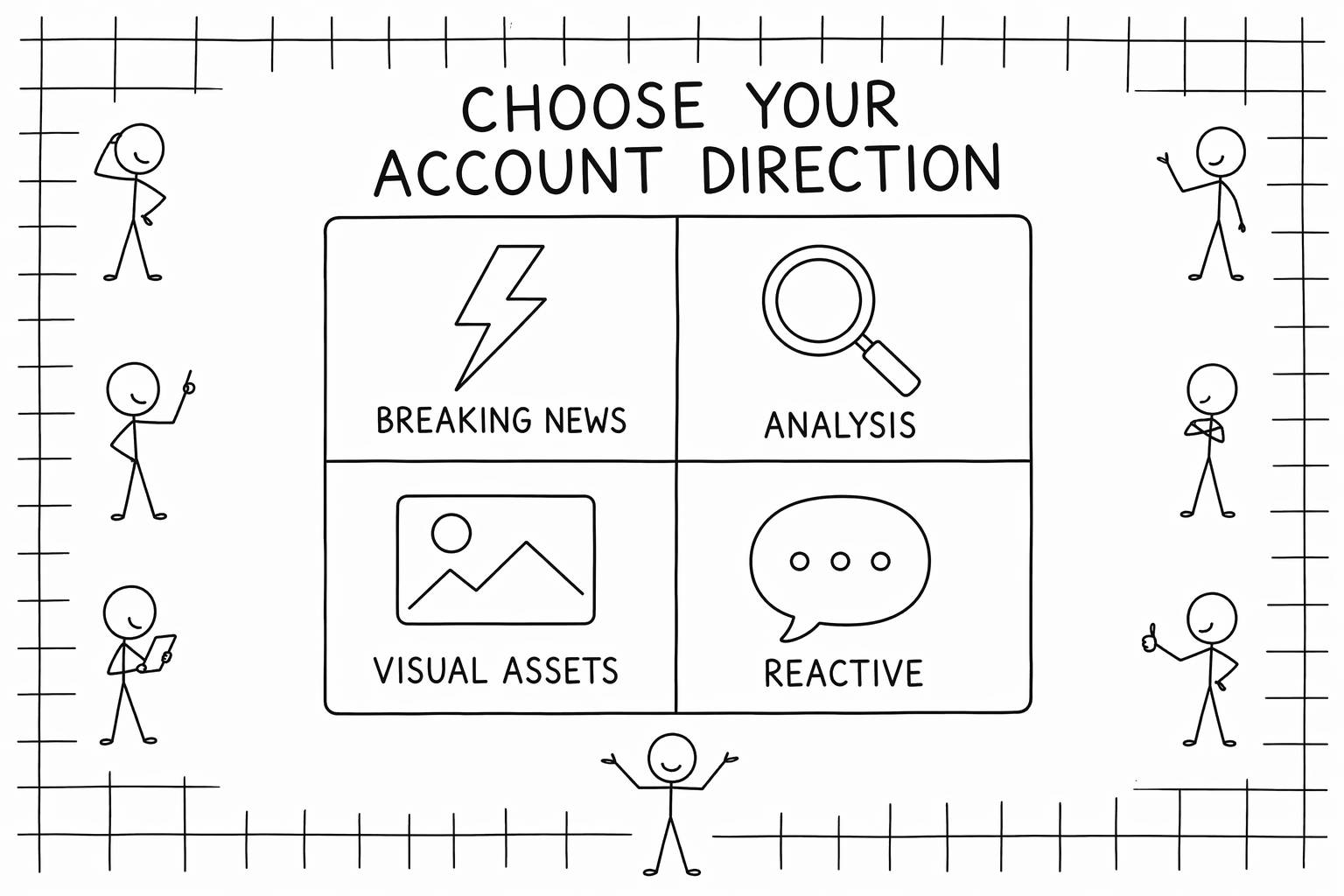
Format und Rhythmus dienen beide der Positionierung. Bevor Sie beginnen, sollten Sie sich darüber im Klaren sein, welche Rolle Ihr Konto spielt.
Aktuelle Nachrichten: Seien Sie der Erste, der Torwarnungen, Aufstellungsankündigungen und VAR-Entscheidungen veröffentlicht. Das ist es, was AP Sports und BBC Sport tun – sie haben engagierte Teams, die jede Minute abdecken. Als einzelner Betreiber bietet der Wettbewerb mit den großen Medien hinsichtlich der Geschwindigkeit grundsätzlich keinen Vorteil, und viele wichtige Spiele beginnen mitten in der Nacht, was auf lange Sicht nicht tragbar ist.
Analyseorientiert: Wettbewerb auf Tiefe, nicht auf Geschwindigkeit. Taktische Aufschlüsselungen, historische Datenvergleiche, Verfolgung der Spielerleistung – dieser Inhalt muss nicht in der Sekunde veröffentlicht werden, in der das Spiel endet; Ein oder zwei Stunden später, wenn der anfängliche emotionale Ansturm nachlässt, sind die Leser eher bereit, sich vorsichtig darauf einzulassen. Threads sind hier das Kernformat und haben eine längere Verbreitungsdauer – ein gut geschriebener Zusammenfassungsthread kann noch Tage nach der Veröffentlichung retweetet und gespeichert werden. Für Einzelkunden, die während der Weltmeisterschaft eine stabile Fangemeinde aufbauen möchten, ist diese Richtung die nachhaltigste.
Visuelle Assets: Spielpläne, Tabellen, Qualifikationswahrscheinlichkeitsdiagramme – keine Meinungen erforderlich, nur visuelle Informationen. Diese Art von Inhalten ist für die Verbreitung darauf angewiesen, dass andere Konten sie teilen, und es ist unwahrscheinlich, dass sie durch eine falsche Einstellung zu Kontroversen führen. Gut geeignet für YouTuber mit visuellen Produktionsfähigkeiten, die sich mit dem Schreiben von Analysen nicht auskennen.
Reaktiv/Unterhaltung: Memes, Echtzeit-Entlüftung, sofortige Reaktionen auf kontroverse Anrufe – das effektive Zeitfenster beträgt nur wenige Minuten. Posten Sie zu langsam und zehn andere Konten haben bereits den gleichen Aspekt abgedeckt. Dieses Format hat eine hohe Obergrenze, erfordert jedoch ein äußerst präzises Timing und der Inhalt selbst ist schwer aufzubauen – er ist nur im Moment nützlich.
Durch das Vermischen der Richtungen wissen Follower nie genau, warum sie Ihnen weiterhin folgen sollten.
Ein paar Dinge, die Sie wissen sollten, bevor Sie posten
Retweets zitieren > regelmäßige Retweets: Von jemand anderem zitiert zu werden – auch um mit Ihnen zu streiten – hat deutlich mehr Verbreitungsgewicht als ein einfacher Retweet. Dies wirkt sich positiv auf Vorhersagebeiträge aus – je klarer Ihre Meinung, desto zitierfähiger ist sie.
Keine externen Links im Hauptbeitrag: Tweets mit ausgehenden Links werden merklich weniger verbreitet und erreichen deutlich weniger Menschen. Wenn Sie den Traffic steigern möchten, fügen Sie den Link in eine angeheftete Antwort ein. Behalte den Hauptbeitrag nur im Textformat.
Überspringen Sie #WorldCup2026, wann immer es möglich ist: Jeden Beitrag mit Hashtags zu markieren, ist eine Gewohnheit. Viele Konten laufen immer noch auf Autopilot, aber der Algorithmus hat dieses Verhalten längst erkannt. Die tatsächliche Verteilung hängt viel mehr von der Relevanz des Textkörpers selbst ab, als von der Anzahl der Tags.
X Premium steigert die Sichtbarkeit bei Großveranstaltungen: Suchergebnisse und Themenzusammenfassungsseiten priorisieren verifizierte Konten. Je größer das Ereignis, desto ausgeprägter ist der Unterschied. Nicht zwingend erforderlich, aber in den Zeitfenstern mit hohem Verkehrsaufkommen während der Weltmeisterschaft ist es hilfreich, es zu haben.
Mit Kollab den Content-Rhythmus einer gesamten Weltmeisterschaft steuern
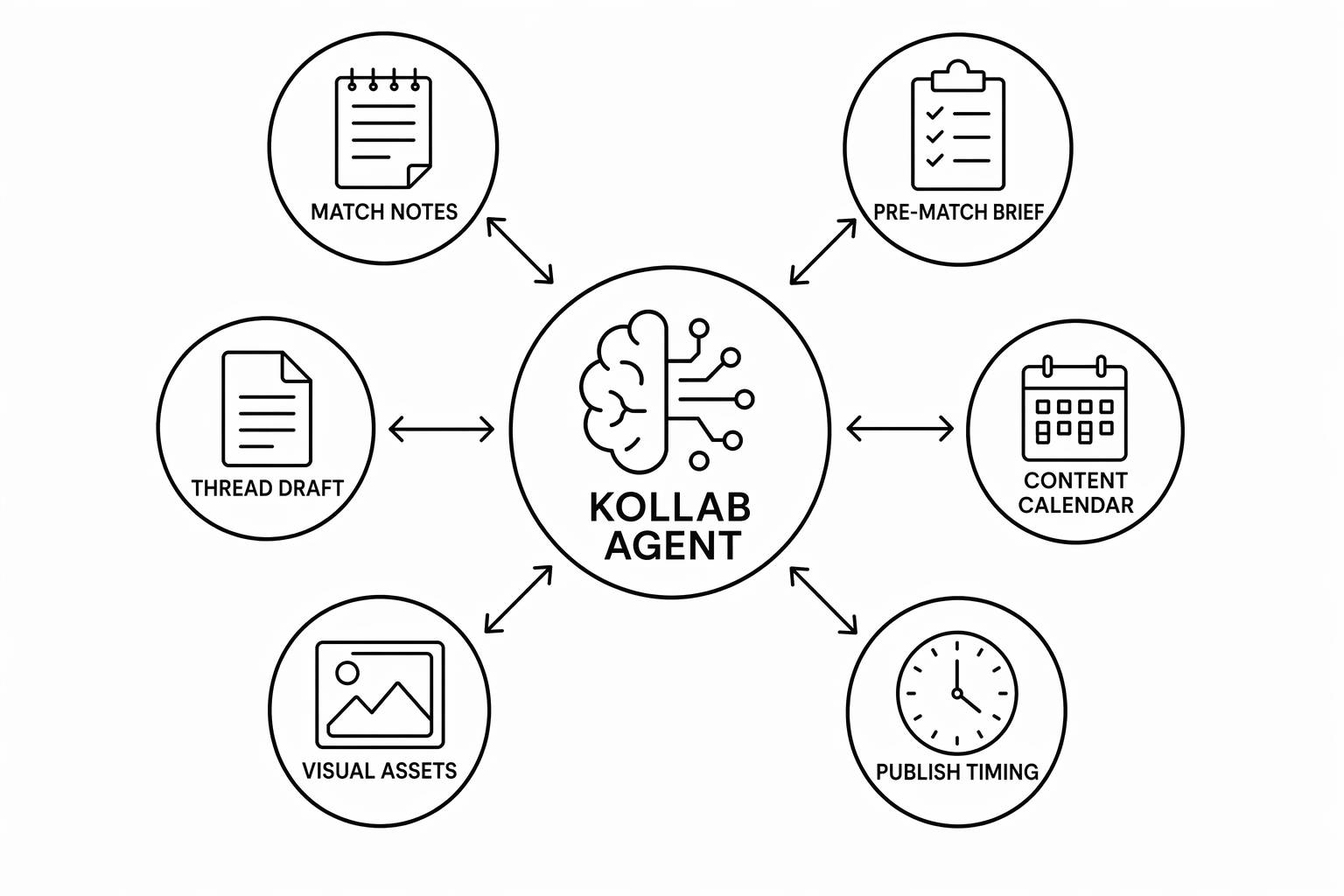
Das Schwierigste an der Bereitstellung von WM-Inhalten auf X ist, nicht zu wissen, was man schreiben soll – es ist, es zum richtigen Zeitpunkt fertig zu haben. Pre-Match bedeutet, Daten zu finden und Vorhersagen zu schreiben; Die 30 Minuten nach einem Spiel sind das goldene Veröffentlichungsfenster. 104 Spiele in sechs Wochen sind mit Zeitzonenkomplikationen verbunden – es ist sehr schwierig, diesen Rhythmus beizubehalten, indem man jedes Spiel auf Hochtouren bringt.
Was Kollab Agent komprimiert, ist genau dort, wo die meiste Zeit verloren geht.
Datenvorbereitung vor dem Spiel
Der zeitaufwändigste Teil beim Schreiben eines Prognosebeitrags ist nicht das Verfassen des Beitrags selbst, sondern das Finden der Daten: aktuelle Kopf-an-Kopf-Rekorde, aktueller Tabellenabstand, wahrscheinliche Aufstellungswechsel. Diese Informationen sind über verschiedene Orte verstreut und das manuelle Zusammentragen für ein einzelnes Spiel dauert in Echtzeit.
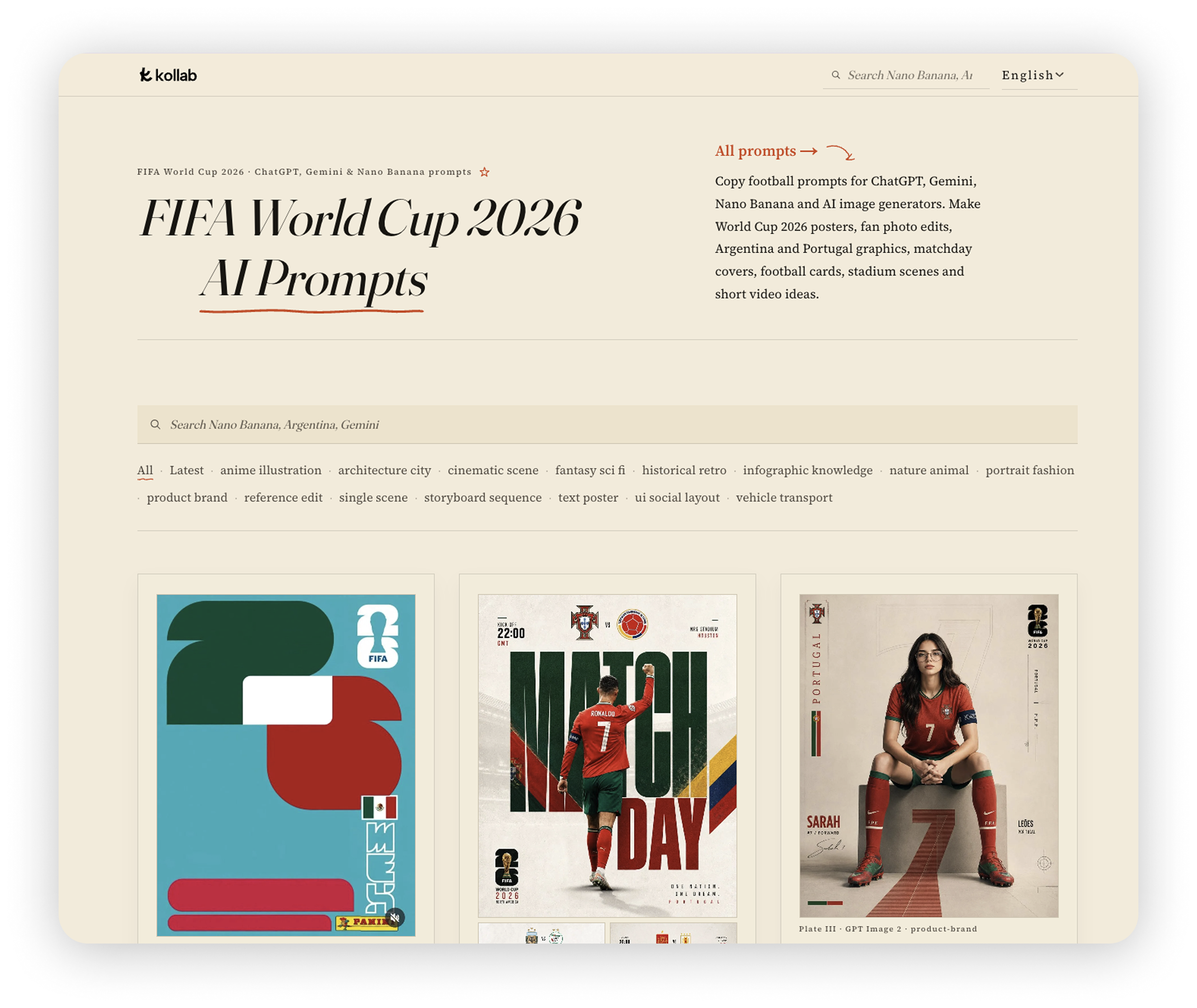
Mit Kollab Agent teilen Sie ihm einfach mit, welche Spiele heute stattfinden, und er stellt die wichtigsten Datenpunkte in einem gebrauchsfertigen Briefing zusammen. Die Vorbereitung vor dem Spiel für alle 104 Spiele kann weniger als 10 Minuten pro Spiel dauern. Wenn Sie sich nicht sicher sind, welchen Blickwinkel Sie einnehmen sollen, bieten Ihnen die Prompt-Vorlagen für die Weltmeisterschaft 2026 von Kollab eine gebrauchsfertige Prompt-Struktur – Sie müssen nicht bei Null anfangen.
Spielnotizen → Thread-Entwurf
Der häufigste Fehlermodus für Post-Match-Threads ist folgender: Man macht sich während des Matches keine Notizen und versucht anschließend, alles aus dem Gedächtnis zu rekonstruieren, was zu etwas Ungenauem und Langsamem führt und oft das optimale Posting-Fenster verpasst.
Der schnellere Ansatz besteht darin, während des Spiels ein Kollab-Gespräch als Echtzeit-Notizblock zu eröffnen und Datenpunkte und taktische Beobachtungen einzutragen, sobald sie auftreten – sogar ein paar Schlüsselwörter reichen aus. Weisen Sie den Agenten nach dem Match an, diese Notizen in ein Thread-Format umzuwandeln. Von vereinzelten Notizen bis hin zu einem veröffentlichungsfähigen Entwurf: in der Regel weniger als 15 Minuten.
Inhaltsrhythmusplanung
Viele Entwickler gehen in den ersten paar Gruppenphasenrunden All-In und scheiden dann mitten im Turnier aus. Das Problem ist normalerweise nicht die Zeit – es geht nicht darum, im Voraus zu planen, welche Übereinstimmungen ausführlich behandelt werden sollen und welche nur einen kurzen Einzeiler aus einer Vorlage benötigen.
Erstellen Sie in Kollab ein WM-Inhaltsprojekt, planen Sie Ihren Veröffentlichungsrhythmus für jede Runde, speichern Sie Ihre Vorlagen dort und öffnen Sie für jedes Spiel eine Aufgabenkonversation, um die Variablen auszufüllen. Mit dem Content-Kalender-Tool von Kollab erhalten Sie einen visuellen Überblick über den Content-Rhythmus des gesamten Turniers – auf einen Blick erfahren Sie, was in den nächsten Tagen ansteht.
Visueller Inhalt
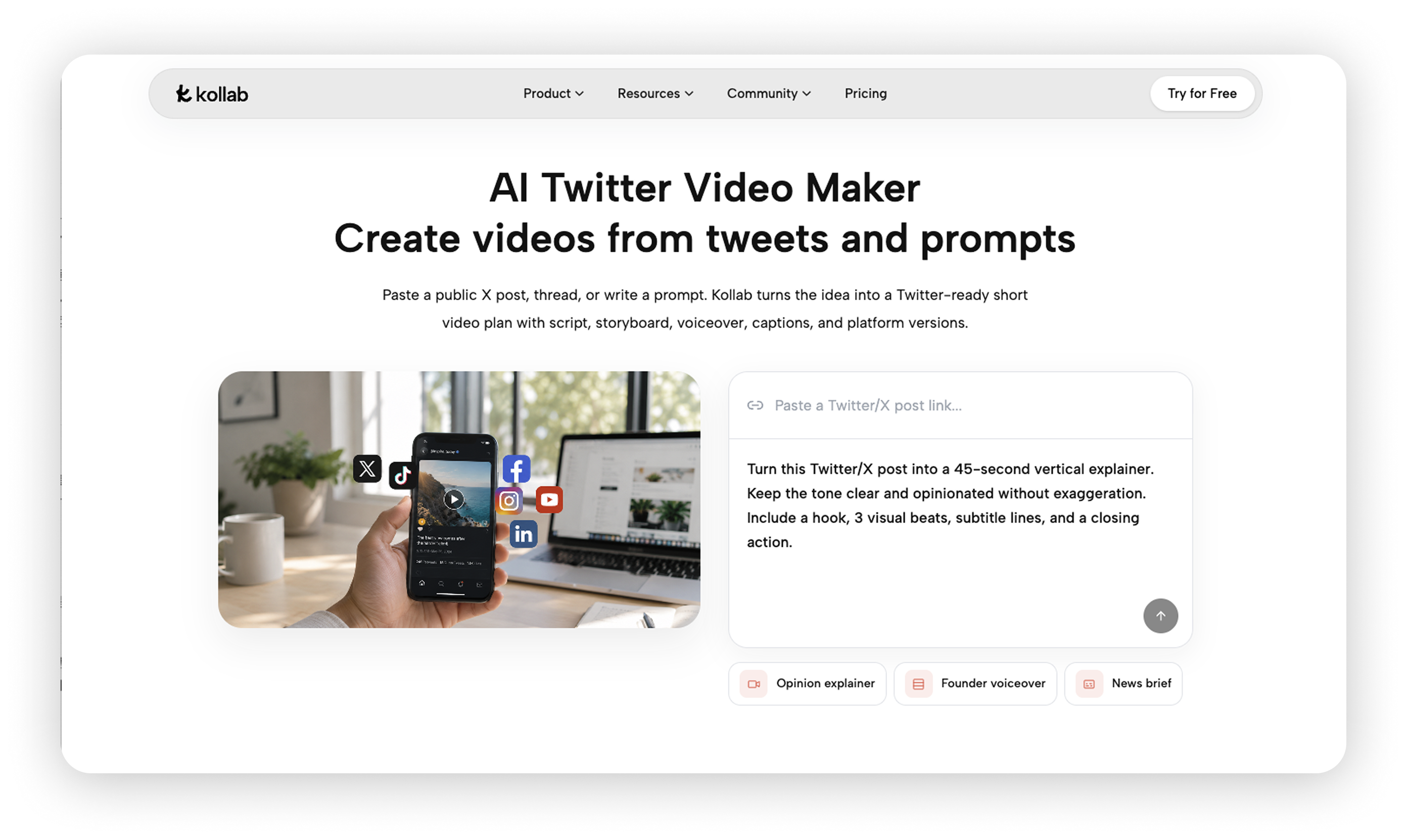
Spielplanplakate, Diagramme zum Qualifikationspfad, Grafiken zur K.-o.-Runde – diese visuellen Elemente passen gut zu Textbeiträgen oder können allein als Inhalt verwendet werden, ohne dass eine lange Bildunterschrift erforderlich ist. Mit dem Twitter-Video-Tool von Kollab können Sie spielbezogene Grafiken erstellen, die für die Veröffentlichung auf X optimiert sind – keine Designkenntnisse erforderlich, ideal für die schnelle Stapelproduktion von Spieltagsgrafiken.
Markenkonten: Drei Empfehlungen
Markenkonten stehen vor einer anderen Herausforderung als einzelne Ersteller. Der Kerngedanke ist: Marken brauchen Beständigkeit, aber die Vertriebslogik von X belohnt ausgeprägte Persönlichkeit und sofortige Reaktionen.
Finden Sie den eigenen Blickwinkel Ihrer Marke – ahmen Sie keine Medienkonten nach. Die reine Übertragung von Spielergebnissen ist nicht die Stärke eines Markenkontos. Den Schnittpunkt zwischen der Identität Ihrer Marke und der Weltmeisterschaft zu finden, ist der Kern der Differenzierung. Ein Blickwinkel der Teamzusammenarbeit, ein Blickwinkel der Entscheidungsfindung, ein Blickwinkel der interkulturellen Beobachtung – alle bieten mehr Wert als die bloße Weitergabe von Ergebnissen.
Inhalte vor dem Spiel sind besser als Inhalte nach dem Spiel. Markenkonten treten in kontroversen Diskussionen nach dem Spiel eher auf Landminen; Vorschauinhalte vor dem Spiel bergen ein geringeres Risiko und lassen mehr Vorbereitungszeit.
Visuelle Asset-Inhalte sind die sicherste Variante. Spielplangrafiken, Tabellenaktualisierungen, Diagramme zum Qualifikationspfad – diese Art von neutralen, nützlichen Inhalten sorgt für hochwertiges Engagement ohne Kontroversen und stellt einen zuverlässigen Basisrhythmus für die Veröffentlichung eines Markenkontos während des gesamten Turniers dar.
X ist der Ort, an dem Sie sich den Ruf eines gesunden Urteilsvermögens erarbeiten
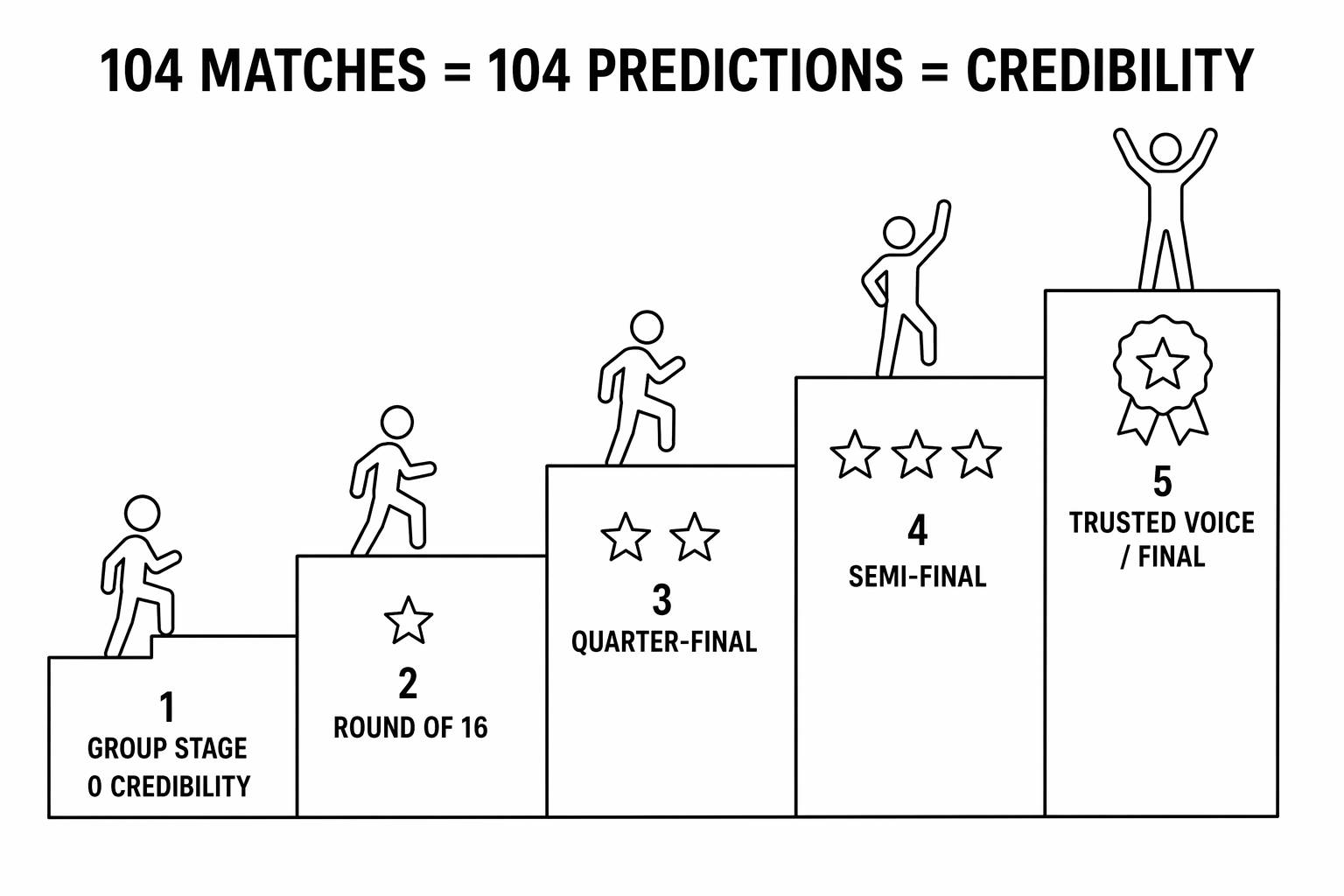
Die Verteilungslogik von X belohnt ein stets genaues Urteilsvermögen. Die Weltmeisterschaft ist eine seltene Gelegenheit: 104 Spiele, jedes eine öffentliche Vorhersage, jedes Ergebnis eine Bestätigung.
Wenn Sie in der Gruppenphase den Eindruck erwecken, dass „die Takes dieses Kontos es wert sind, beachtet zu werden“, dann wird jeder von Ihnen gesendete Beitrag in der K.-o.-Runde eine höhere organische Reichweite haben – nicht aufgrund des Algorithmus, sondern weil die Leser ihn bereitwillig teilen.
Diese Art von Glaubwürdigkeit basiert nicht auf einem einzigen viralen Beitrag. Es basiert auf dem Timing und der Genauigkeit, die Sie für jedes Spiel erzielen. Pünktlich im richtigen Fenster zu erscheinen, ist schwieriger als der Inhalt selbst – und die Investition lohnt sich mehr.
Die Verwendung von Kollab zur Verwaltung des Content-Vorbereitungsprozesses bedeutet weniger Zeitfehler – nicht, weil die KI für Sie Urteile trifft, sondern weil Sie, sobald Sie die Informationsbeschaffung und die Erstellung von Entwürfen an den Agenten übergeben, mehr Spielraum für das haben, was wirklich wichtig ist: sich Ihr eigenes Urteil zu bilden und es pünktlich zu veröffentlichen.