Kollab vs Manus: hangi AI Agent platformu ekip üretkenliğine uyar?
2026’da Kollab ve Manus’u AI Agents, iş birliği, workflow otomasyonu ve üretkenlik açısından karşılaştırıp doğru platformu seçin.
Kollab vs Manus: Hangi AI Agent Platformu 2026'da Takım Verimliliğine Uygun?
Eğer gözünüzü üzerinde tutuyorsanız AI Agent manzara son zamanlarda, isim Manus muhtemelen tüm akışınızda yer almıştır. Bu arada, Kollab Bu alanda yükselen bir aday olarak, takım sinerjisine benzersiz odaklı olduğu için önemli tartışmalar doğurdu. Manus, 2025'in başlarında "otonom görev tamamlama" yetenekleriyle ün kazandı—sadece web'de gezinmekle ya da kod yazmakla kalmıyor; Neredeyse hiç insan müdahalesi olmadan bağımsız olarak araştırma raporları üretir.
Buna karşılık, Kollab farklı bir yol izliyor: amacı bir işbirlikçi AI çalışma alanı Agents, uzman Skills ve ekip üyelerinin derin, sorunsuz bir koordinasyon sağladığı yer.
Her iki ürün de gerçek verimlilik sorunlarına çözüm sunuyor, ancak giriş noktaları tamamen farklı. Kullanıcılar için yanlış aracı seçmek, önemli zaman kaybı ve yüksek benimseme maliyetleriyle sonuçlanabilir. Kısa bir ürün düzeyinde genel bakış için bkz. tam Kollab ve Manus karşılaştırması. Bu makale, ekip verimliliği, paylaşılan bağlam, Workflow'nin yeniden kullanımı, iş birliği ve inceleme döngüleri üzerinde daha derinlemesine duruyor.
Hızlı karar
Seç Manus minimal gözetim ile tek seferlik araştırma, göz atma, analiz veya prototip oluşturma görevlerini tamamlaması için özerk bir Agent istediğinizde. Seçin Kollab bir ekip, bağlam paylaşmak için AI Agents'ya ihtiyaç duyduğunda, Workflows'yı yeniden kullanır, araçları bağlar, projeyi Memory'de tutar ve tek bir çalışma alanında insanlarla işbirliği yapar.
| İhtiyaç | Daha iyi uyum |
|---|---|
| Tek seferlik özerk araştırma | Manus |
| Tekrarlanabilir ekip Workflows | Kollab Skills |
| Agents ekip içi sohbette | Kollab Bots |
| Notion, GitHub, Slack ve daha fazlası üzerinden araç erişimi | Kollab Connectors |
| Uzun süreli ekip çalışması için paylaşılan bir AI çalışma alanı | Kollab |
Nedir Manus?
Mart 2025'te Monica ekibi tarafından başlatılan Manus, hemen sektörde sıcak bir konu haline geldi. Temel mantığı basittir: Belirsiz bir görev hedefi verirsiniz ve sonra sadece sonuçları beklersiniz.
Ürün açısından bakıldığında, Manus bir "dijital çalışan" gibi davranır. Bir komut verdiğinizde, izole bir sandbox ortamında tam karşınızda çalışmaya başlar: tarayıcıları açar, birden fazla sayfayı karşılaştırır, kod çalıştırır ve hata ayıklar, ve son olarak tüm bulguları özenle hazırlanmış bir araştırma raporu, elektronik tablo veya hatta işlevsel bir web uygulaması halinde düzenler.
Teknik olarak, özerkliği üst düzeyde. Manus, üzerinde son derece yüksek puan aldı GAIA kıyaslama, birden çok gerçek dünya adımını içeren “beyin yoğun” görevleri ele alırken ona muazzam bir güvenilirlik kazandırıyor. Meta’nın Aralık 2025’te Manus’yı 2 milyar dolardan fazla bir bedelle satın alması, Agent alanında stratejik bir güç merkezi olarak statüsünü daha da pekiştirdi.
Güçlü Yönler:
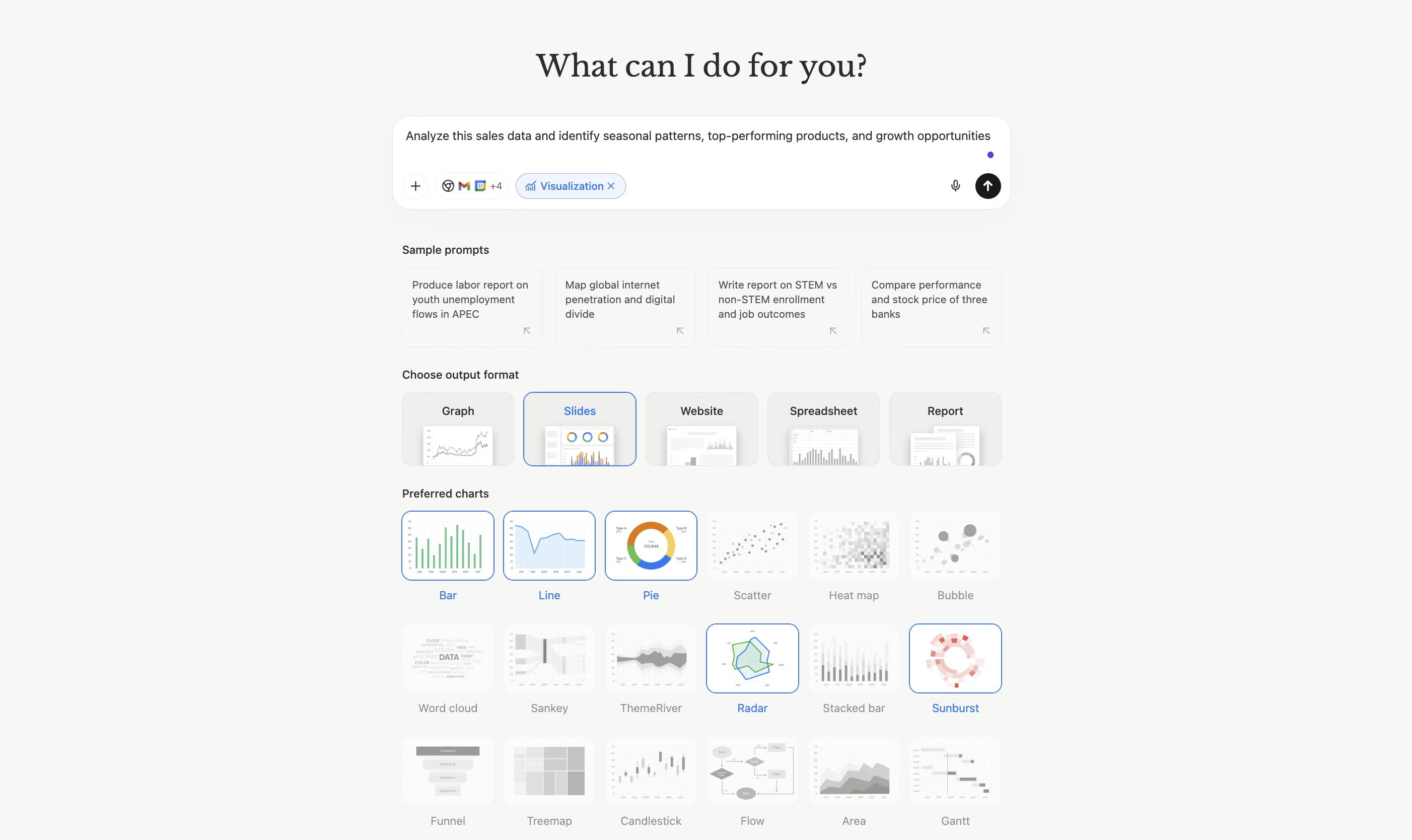
Derin Araştırma Yetenekleri: Çok adımlı web taramayı içeren karmaşık araştırma ve bilgi sentezini yönetmede olağanüstü.
Esnek Görev Uyarlaması: Tek seferlik, tekrarsız belgeler (ör. sektörü analiz etme, PPT çerçeveleri) oluşturmak için son derece uygun.
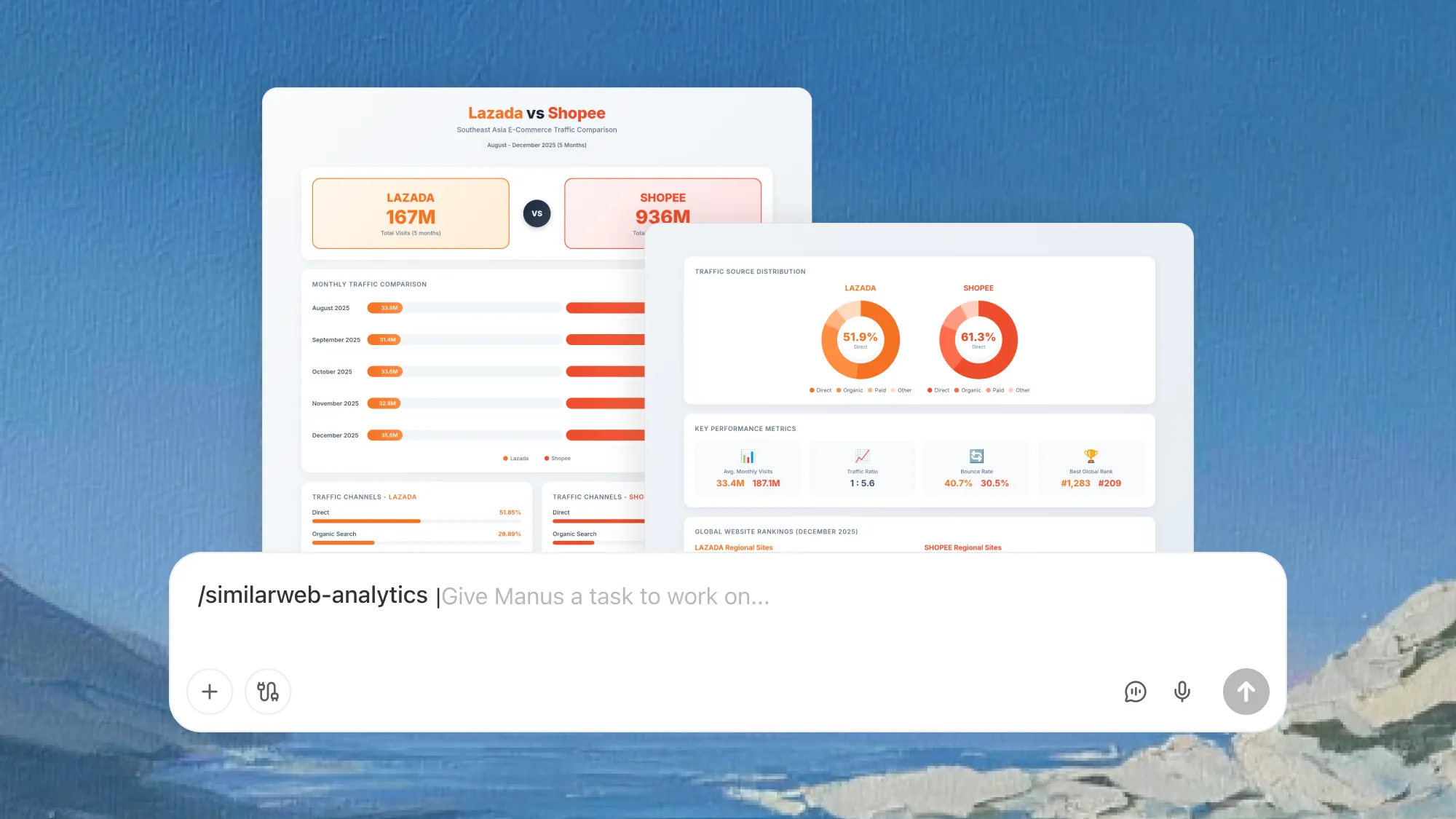
Verimli Eşzamansız Yürütme: Arka plan çalışmasını destekler, uzun süreli veri işleme gerektiren karmaşık görevler için idealdir.
Üstün Veri Çıkarma: Web verisi kazıma ve yapılandırılmış işleme konusunda olağanüstü.
Zayıflıklar:
Kalıcı Memory Eksikliği: Uzun vadeli proje Memory eksik; her yeni oturum bir "soğuk başlangıç" gibi hissettiriyor ve uzun vadeli iş bağlamını biriktirmeyi zorlaştırıyor.
Zayıf İş Birliği Özellikleri: Takım özellikleri nispeten sınırlıdır, daha çok bireysel verimlilik aracına yöneliktir.
Nedir Kollab?
Bana göre, Kollab gerçek bir AI Agent iş istasyonudur. Eğer Manus'nın özünü 'mevcut görevi tamamlama' oluşturuyorsa, Kollab'nın özü 'ekibin uzun vadeli Workflow'sını optimize etmektir.
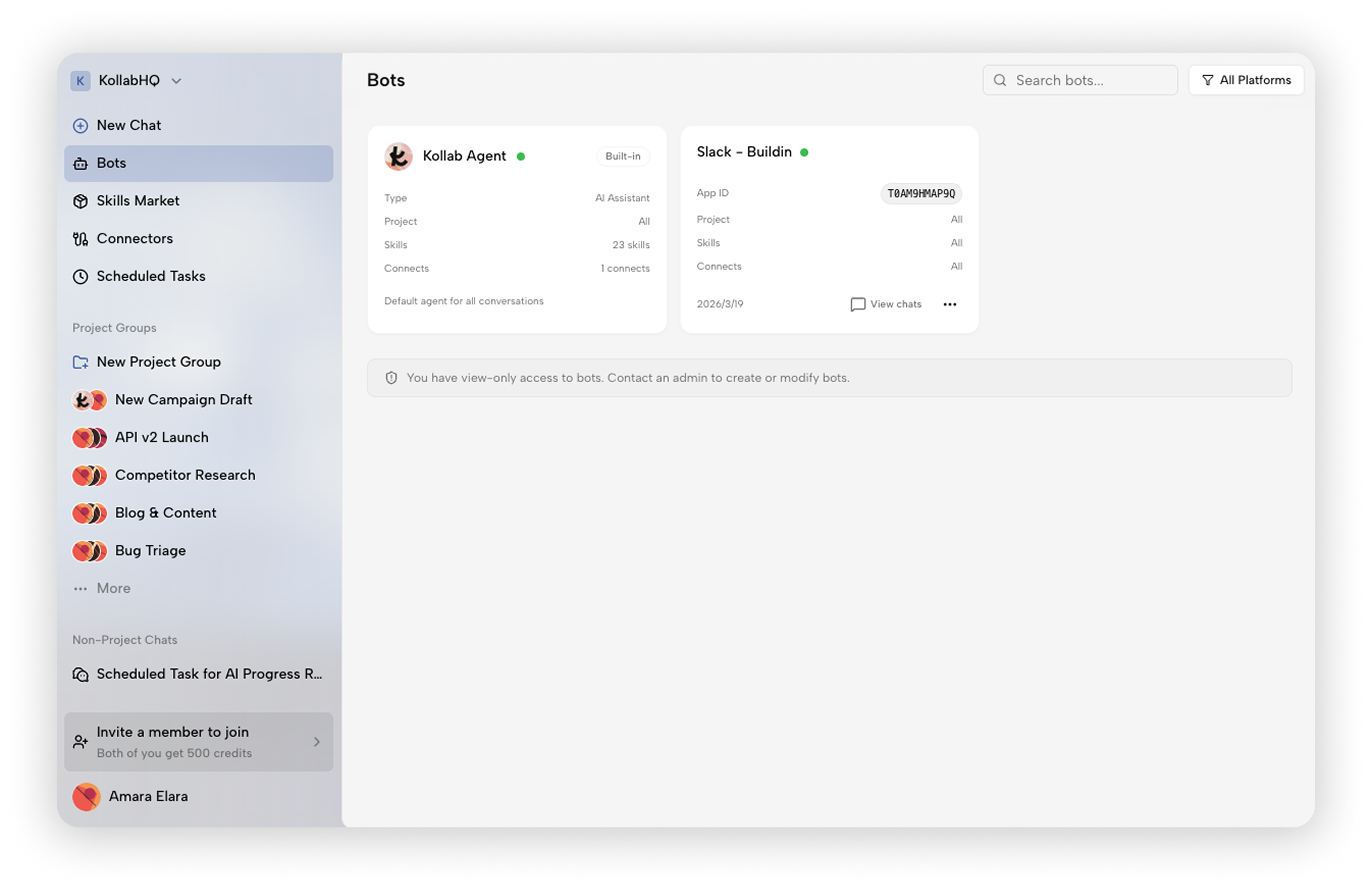
Ürün, işbirlikçi bir alan formunu alır. Bu Bots'lerin “beyinleri” vardır—belirli projeler içinde çalışır, sadece ekibe özel bilgi tabanlarına erişebilir ve Google Workspace ve S3 gibi kurumsal araçlarla derin entegrasyonlara sahiptir. Bu, onların sadece görevleri yerine getirmediği; çalışma tercihlerinizi öğrendiği ve önceden tanımlanmış iş mantığını takip ettiği anlamına gelir.
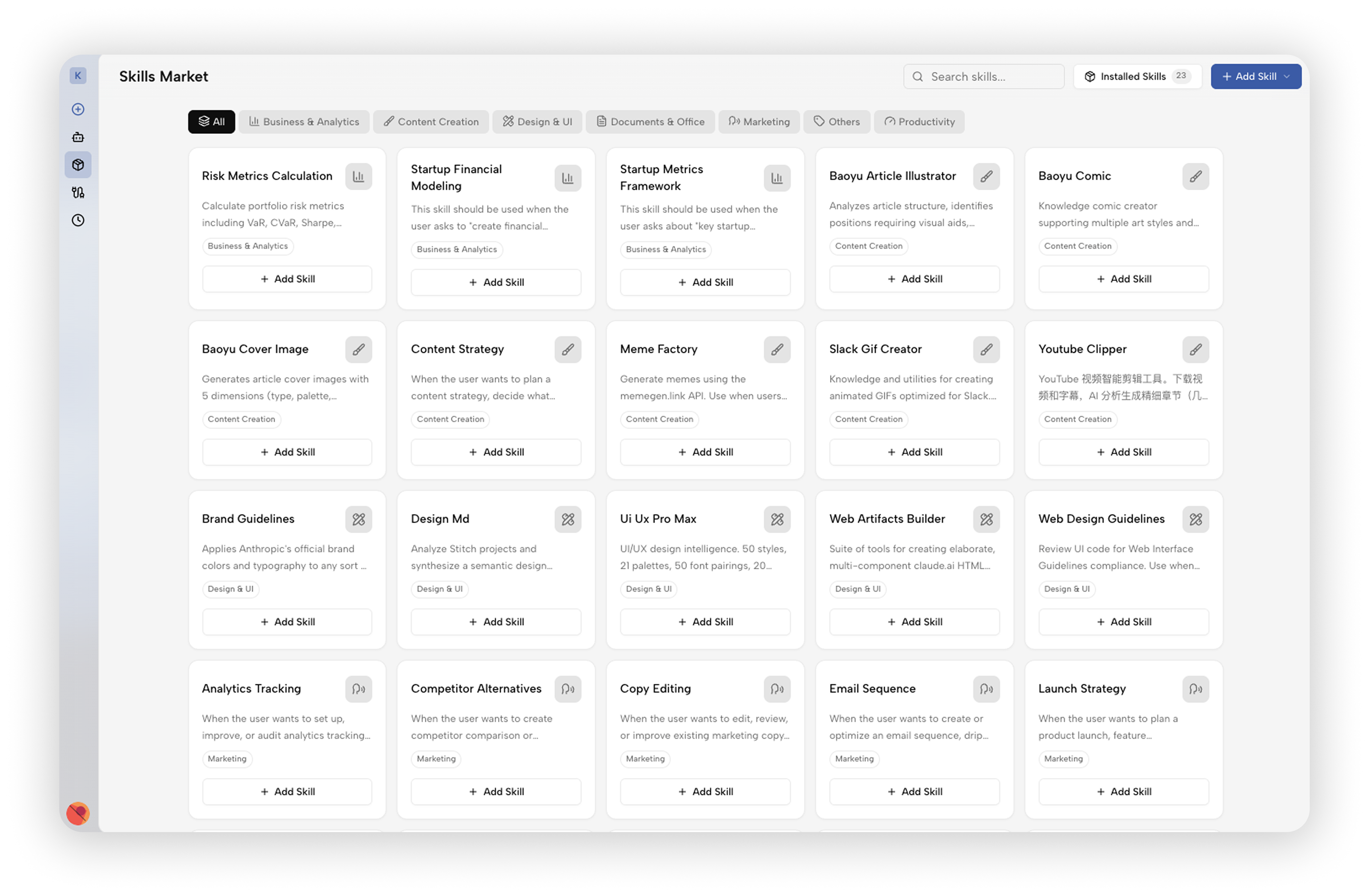
Kollab'nin temel rekabet avantajı, "Skills" sistemine dayanır. Buradaki Agents şansa güvenmez; modüler, standartlaştırılmış Workflows'yi takip eder. Örneğin, bir SEO denetimi veya içerik uyumluluk kontrolü yaparken, Agent önceden belirlenmiş bir kural kitabına sıkı sıkıya uyar. Bu öngörülebilirlik, standart çıktıya, yeniden kullanılabilir inceleme mantığına ve AI Agent Workflow örnekler tüm ekip koşabilir.
Güçlü Yönler:
Workflow Standardizasyon: Yüksek tutarlılık gerektiren tekrarlayan Workflows için özel olarak tasarlanmıştır (ör. içerik üretim hatları, periyodik raporlar).
Yerel Takım DNA'sı: Güçlü iş birliği özellikleri, üyelerin Bots, bilgi tabanlarını ve Skill setlerini paylaşmasına olanak tanır.
Derin Bağlamsal Anlayış: Kalıcı mekansal Memory özelliklerine sahip, proje geçmişini ve marka tonundaki değişiklikleri anlayabilen.
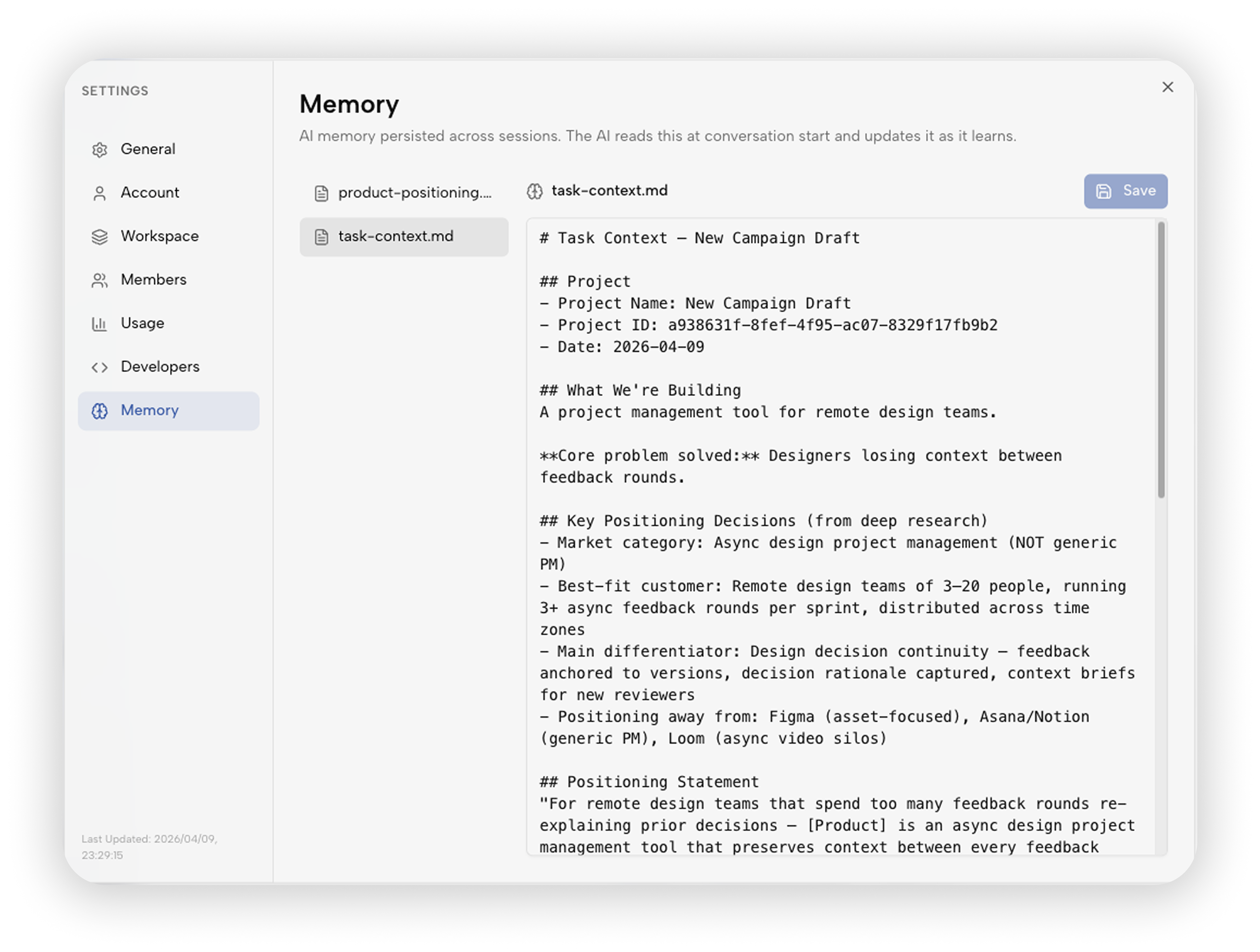
Yüksek Ölçeklenebilirlik: Dikey alanlar için özel Agents oluşturulmasını destekleyen zengin bir Skills ekosistemi.
Kesin Davranış Kontrolü: Geliştiricilerin veya yöneticilerin Bot’nin davranış mantığına ve bilgi sınırlarına derinlemesine müdahale etmelerine olanak tanır.
Zayıflıklar:
- Daha Yüksek Başlangıç Yatırımı: Başlangıç kurulum maliyeti nispeten yüksektir, kullanıcıların Workflows ve bilgi tabanlarını organize etmeleri için zaman gerektirir.
4 Temel Ayırt Edici Özellik
1. Tek Görev vs. Tekrarlanabilir Workflow
Manus“Bana tamamlanmış bir ürün ver.” için optimize edilmiştir. Karmaşık bir hedefi teslim edersiniz ve çıktıyı elde etmek için gereken adımları belirler. Tekrarlanmayan araştırma görevlerinde mükemmeldir.
Kollab"her defasında bu süreci doğru bir şekilde çalıştırmak" için optimize edilmiştir. Skills sistemi, SEO denetiminizin Pazartesi veya Cuma günü yapılmasına ve denetimin bir genç analist tarafından mı yoksa sizin tarafınızdan mı yürütüldüğüne bakılmaksızın aynı çerçeveyi takip etmesini sağlar.
Eğer işiniz çoğunlukla tekrar etmeyen araştırmalardan oluşuyorsa: Manus üstünlüğe sahiptir.
Eğer işiniz ekibin içinde tekrar edilen benzer görevleri içeriyorsa: Kollab açık ara kazanır.
2. Memory ve Bağlam
Manus çoğunlukla durumsuz bir şekilde çalışır, oturumlar genellikle en baştan başlar. Geçen ay bir rakibin fiyatlandırmasını araştırmakla zaman harcadığınızı hatırlamaz, Şubat ayında ekibin içerik stratejisini değiştirme kararını da hatırlamaz. Her görev boş bir sayfadır.
Kollab kalıcı mekansal Memory'ye sahiptir. Agents, ekip ona bağlam sağlamaya devam ettikçe proje geçmişini, kararları ve tercihleri biriktirir. Ekip proje geçmişini sürekli olarak girdikçe, Bot marka tonunuzu, rakip bilgilerinizi ve tercih edilen çıktı formatlarını hatırlayabilir. Bu birikmiş bağlamsal Memory, durumsuz Agents'nın taklit etmesi en zor olan şeydir.
3. Takım İşbirliği
iken Manus bir takım sürümü sunar, işbirliği öncelikle kaynak kotalarının tahsisinde yansıtılır. Paylaşılan bir proje bağlamı yoktur, takım düzeyinde Agent Memory yoktur ve paylaşılan bir Skill kütüphanesi yoktur.
Kollab tasarım gereği işbirlikçi bir alandır. Takımlar projeleri, Bots, bilgiyi ve Skills paylaşır. Bir kişi bir Workflow optimize ettiğinde, herkes bundan faydalanır. Çünkü Agents aynı kısıtlı bilgiye erişir, hangi takım üyesi soruyor olursa olsun tutarlı yanıtlar sağlar.
4. Özelleştirme ve Kontrol
Her iki platform şu anda desteklerken MCP sunucuları, Kollab Agent davranışını ne kadar derinlemesine şekillendirebileceğiniz açısından çok daha ileri gidiyor. Bots'yı belirli talimatlarla oluşturabilir ve onları belirli Skills veya bilgi tabanları ile sınırlayabilirsiniz. Bots desteği, Bots araştırması ve Bots üretimi tamamen farklı davranış kalıplarıyla bir arada var olabilir.
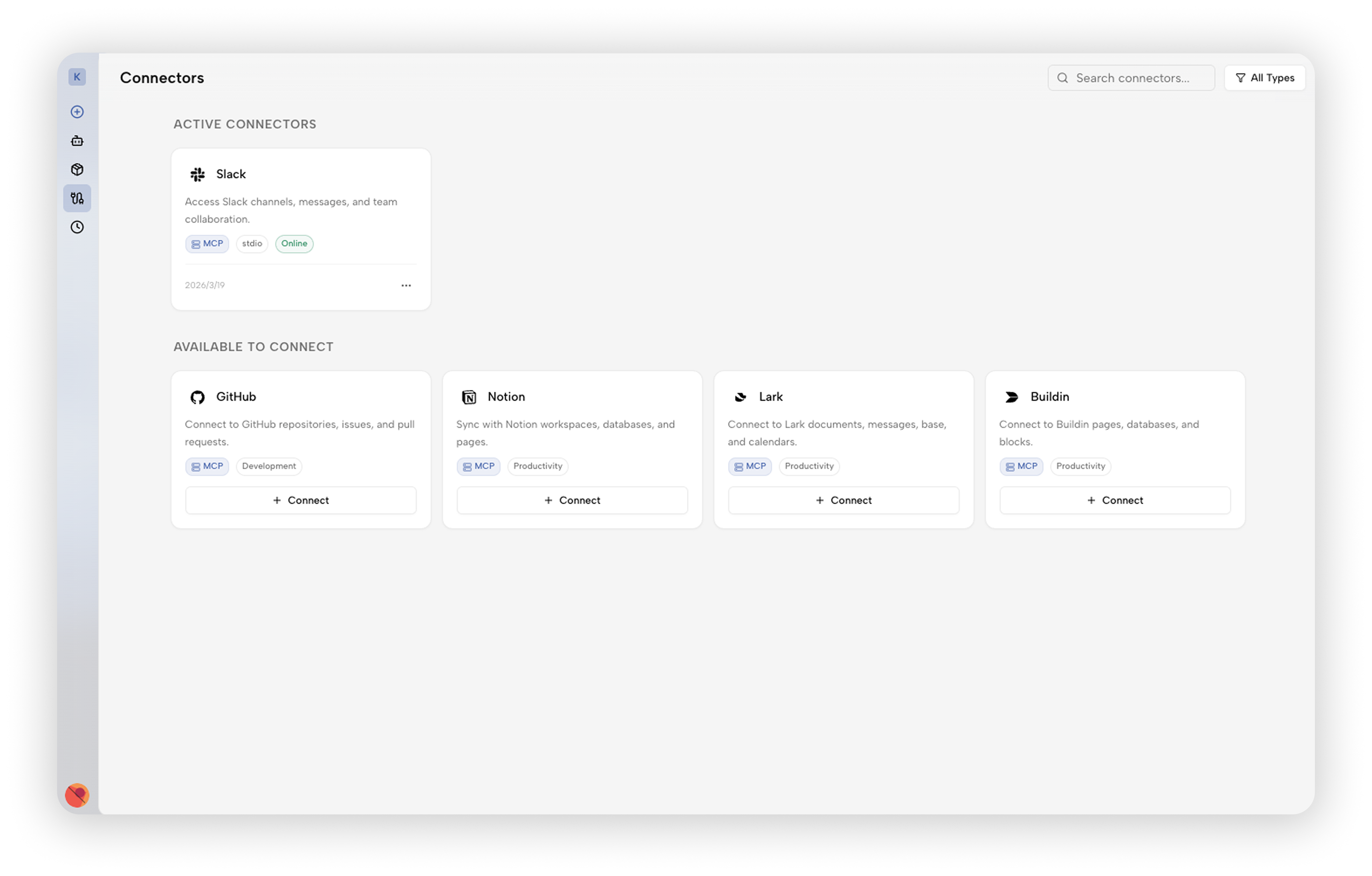
Manus çok yönlü, genel amaçlı bir Agent sağlar, oysa Kollab dikey alanlar için özelleşmiş Agents'lerden bir küme oluşturmanıza olanak tanır.
Kısa Bakış Karşılaştırması
| Özellik | Kollab | Manus |
|---|---|---|
| En İyi | Tekrarlanabilir Workflows çalıştıran ekipler; varlık birikimi gerektiren bölümler (Pazarlama, Araştırma); standartlaştırma arayan kurumsal kullanıcılar. | Bireysel kullanıcılar için tek başına otonom görevler; geçici derin araştırma ihtiyaçları; hızlı prototipleme için küçük stüdyolar. |
| İş birliği | Yerleşik projeler; paylaşılan Bots ve Memory. | Göreceli olarak bağımsız; yüzeysel iş birliği. |
| Özelleştirme | Son derece yüksek (özel Skills, sınırlı bilgi, Slack entegrasyonu, çok amaçlı araç senkronizasyonu). | Orta (araç entegrasyonu ve Slack görev dağıtımına odaklanılmış). |
| Memory | Kalıcı çapraz oturum Memory. | Oturum bazlı; uzun vadeli birikim yok. |
Son Karar
Manus Bağımsız görevleri hızlı ve yüksek kalitede yerine getirmesi gerekenler içindir. Eğer sıkıcı, belirsiz ve zaman alıcı araştırma veya dokümantasyon görevlerini 'dış kaynak' olarak devretmek isteyen verimlilik odaklı bir bireyseniz, Manus etkileyicidir.
Kollab Verimlilik ve tutarlılık talep eden "düzenli ordu" içindir. İçerik, Pazarlama veya Müşteri Desteği fark etmeksizin, sizinle bir deneyimli çalışan gibi büyüyen, ekibin başarılı deneyimlerini yeniden kullanan ve birden fazla ekip arkadaşının aynı bağlamda sorunsuz bir şekilde iş birliği yapmasına olanak tanıyan bir AI istiyorsanız, Kollab hiç şüphesiz en iyi seçiminizdir.
Sonuç
2026 Agent patlama çağında, artık 'AI bunu yapabilir mi' değil, 'AI organizasyonlarımıza nasıl daha iyi entegre olabilir' konusunu tartışıyoruz.
Uzun vadede, Manus görev yürütme engelini azaltıyor, eskiden günler süren işi birkaç tıklamaya dönüştürüyor. Kollab, öte yandan, AI'yi asla ayrılmayan ve sürekli deneyim biriktiren bir "dijital üye" haline getirmeye çalışarak takım işbirliğinin özünü değiştiriyor.
Önerim: 'sorunlu ama tek seferlik' işleri yönetmek için Manus'yı kullanın; yeniden kullanılan deneyim ve tutarlı kalite gerektiren ekibinizin en temel üretim hatlarında Kollab'yı devreye alın. Şununla başlayın tam Kollab ve Manus karşılaştırması, sonra keşfet Kollab kullanım durumları takımların Agent Workflows'yi tekrarlanabilir operasyonlara nasıl dönüştürdüğünü görmek için. Hangisini seçerseniz seçin, Agents artık oyuncak değil: gelecekteki Workflows'mizi yönlendiren temel motorlar haline geliyor.