Blog

OpenClaw vs Claude Code vs Kollab in 2026: Which One Actually Fits Your Workflow?

Apr 10, 2026enAmara ElaraResources9 min read
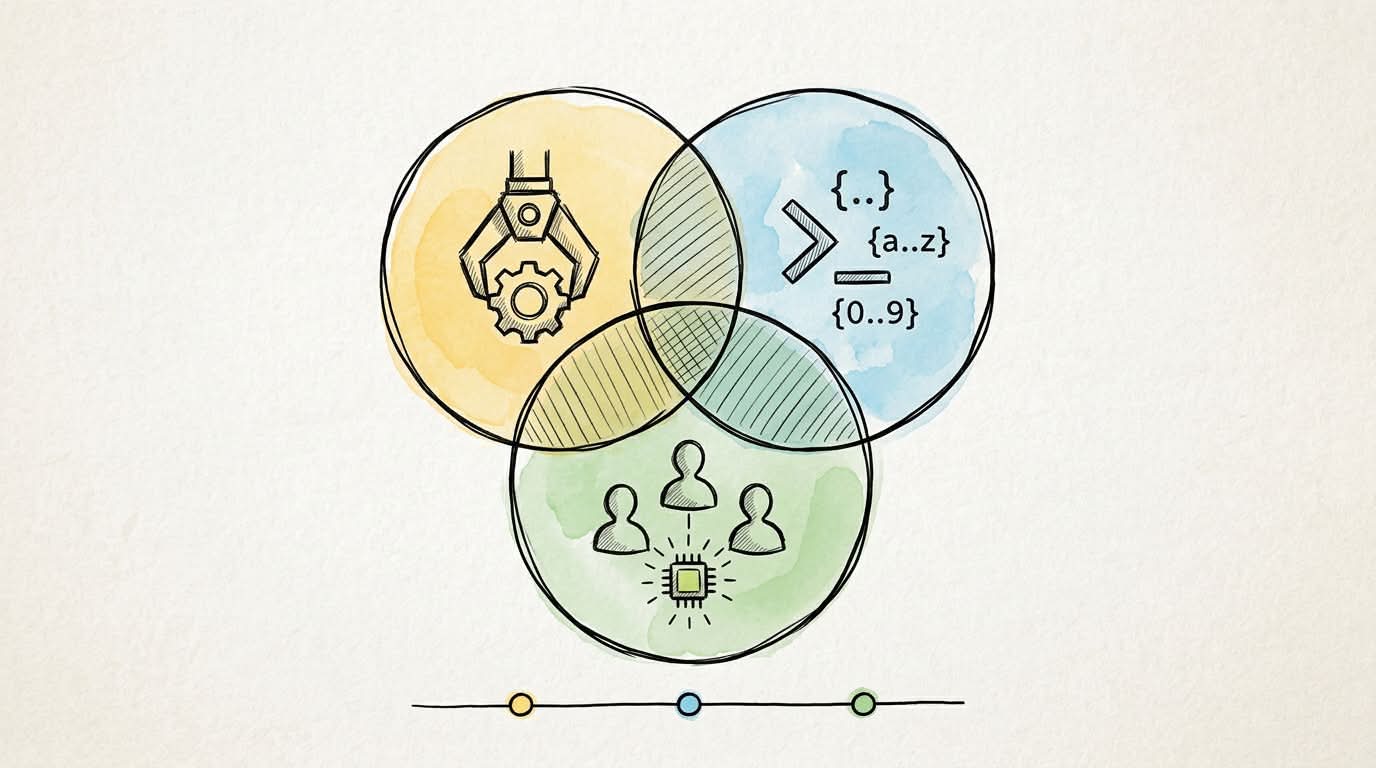
OpenClaw vs Claude Code vs Kollab.jpeg

OpenClaw, Claude Code, or Kollab? Compare autonomy, memory, and team collaboration to find the AI agent that fits your 2026 workflow.

AI agent 2026

OpenClaw vs Claude Code vs Kollab in 2026: Which One Actually Fits Your Workflow?

Looking back from the vantage point of 2026, the evolution of AI tools is undergoing a fundamental shift: a transition from chat interfaces to agentic systems with genuine execution capabilities. We are no longer satisfied with an AI that simply writes snippets of code or polishes an email; instead, we expect it to function like a true colleague—integrated into complex local environments, massive codebases, and multi-person collaboration flows. In this burgeoning era, the developer's toolkit is undergoing a structural reorganization.

OpenClaw took GitHub by storm early this year, signaling the full arrival of the local agent era. Claude Code, through its deep penetration into the engineering lifecycle, has effectively become a "second brain" for developers. Meanwhile, for the broader narrative—how teams capture and crystallize collective wisdom in the AI age—Kollab offers a highly provocative entry point.

Comparing these three products isn't about direct competition in a single category. Rather, it addresses the question everyone is asking as features increasingly overlap: In this new landscape, which type of AI tool do I actually need? This article aims to provide a clear answer.

What Are These Tools?

1. OpenClaw

OpenClaw is an open-source local AI Agent framework released by an independent developer that went viral in early 2026. It is neither a chatbot nor a simple automation script; it is a "digital operator" in every sense. It runs on your own machine to actively perceive state, make decisions, and execute tasks, all while giving you complete control over your data and choice of LLM.

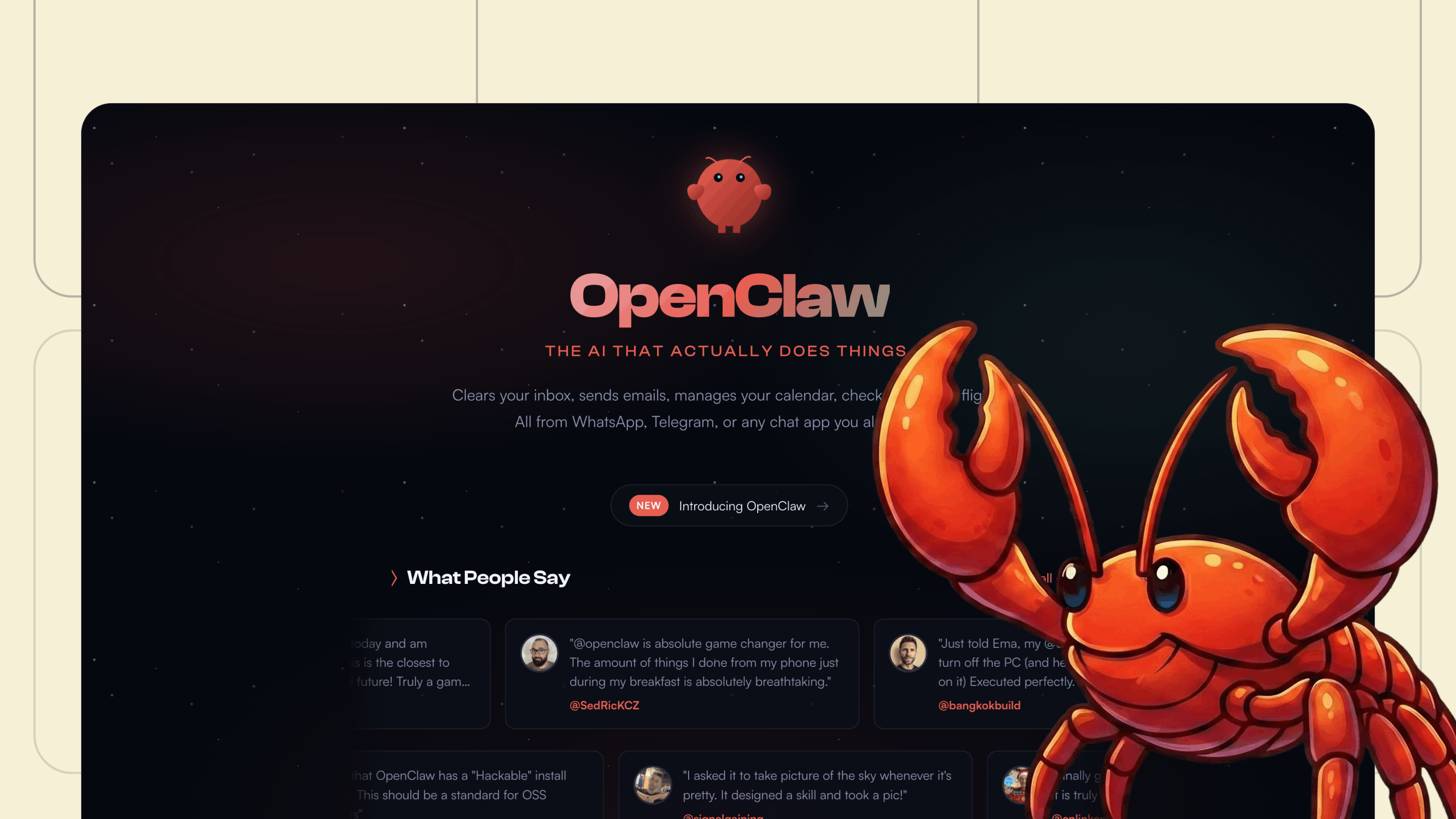
The AI Assistant That Actually Does Things

Key Features:

  • Local Execution & Data Sovereignty: All tasks run on your own hardware; data never touches a third-party cloud.

  • Multi-LLM Support: Compatible with leading LLMs (such as Claude, GPT, DeepSeek) and local models via Ollama, avoiding vendor lock-in.

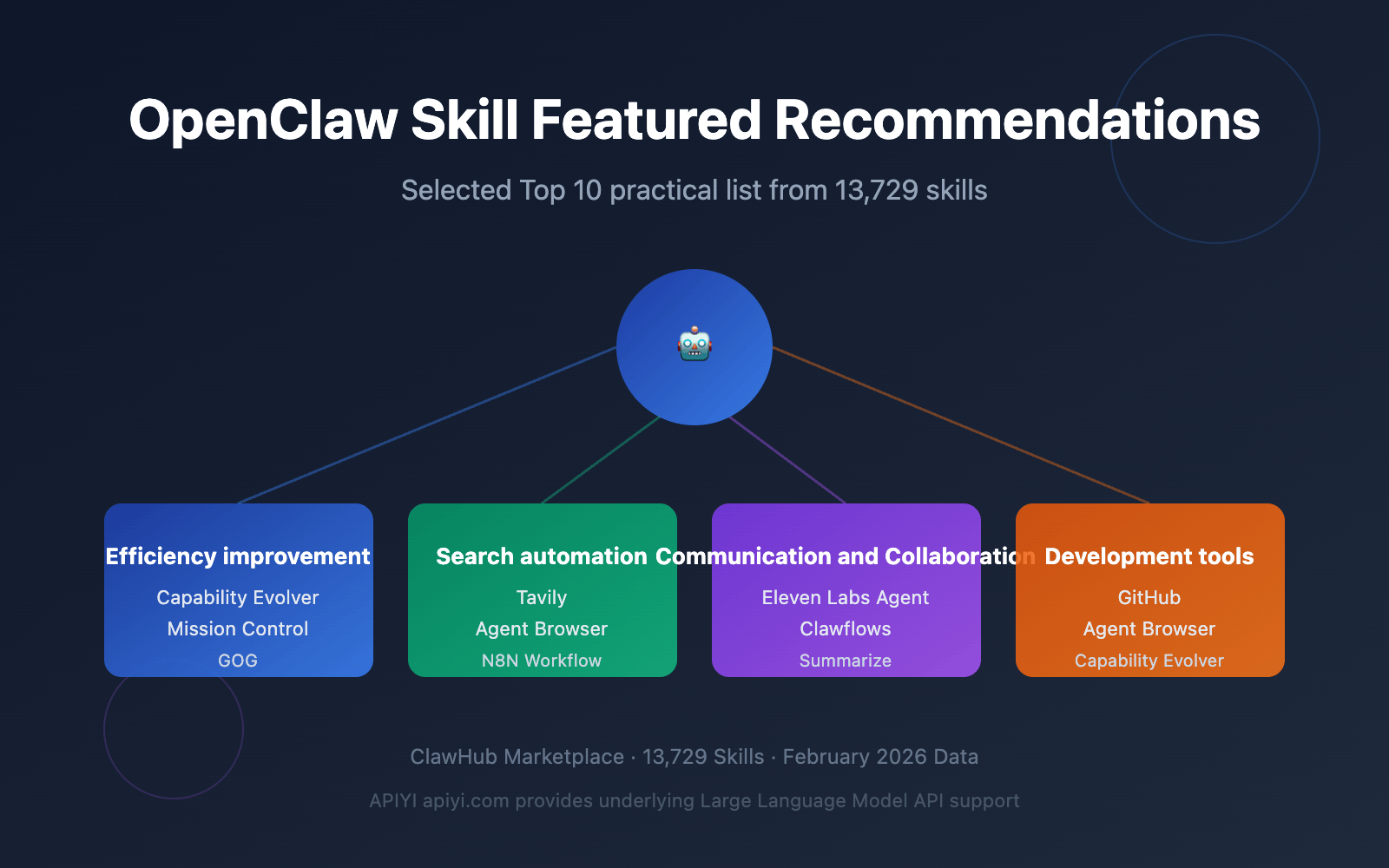
  • Skills Plugin System: Features a rich library of plugins to control browsers, manage files, call APIs, and interact with local data.

OpenClaw Practical AI Agent Skills List
  • Communication Platform Integration: Supports major platforms (WhatsApp, Telegram, Slack, Discord, etc.) and is extensible via community plugins.

  • Heartbeat Mechanism: Proactively checks tasks and statuses through a periodic "heartbeat" polling mechanism, requiring no manual trigger.

  • Fully Open Source: Community-driven with rapid iterations and flexible extensibility.

2. Claude Code

Claude Code is the agentic coding assistant from Anthropic. It lives in your terminal and operates directly within your project directories. It is positioned as a true coding agent rather than a chat interface or a mere autocomplete plugin. It understands your entire codebase—including module dependencies and the root causes of bugs—and takes action: reading files, writing code, running tests, and submitting PRs, all with minimal hand-holding.

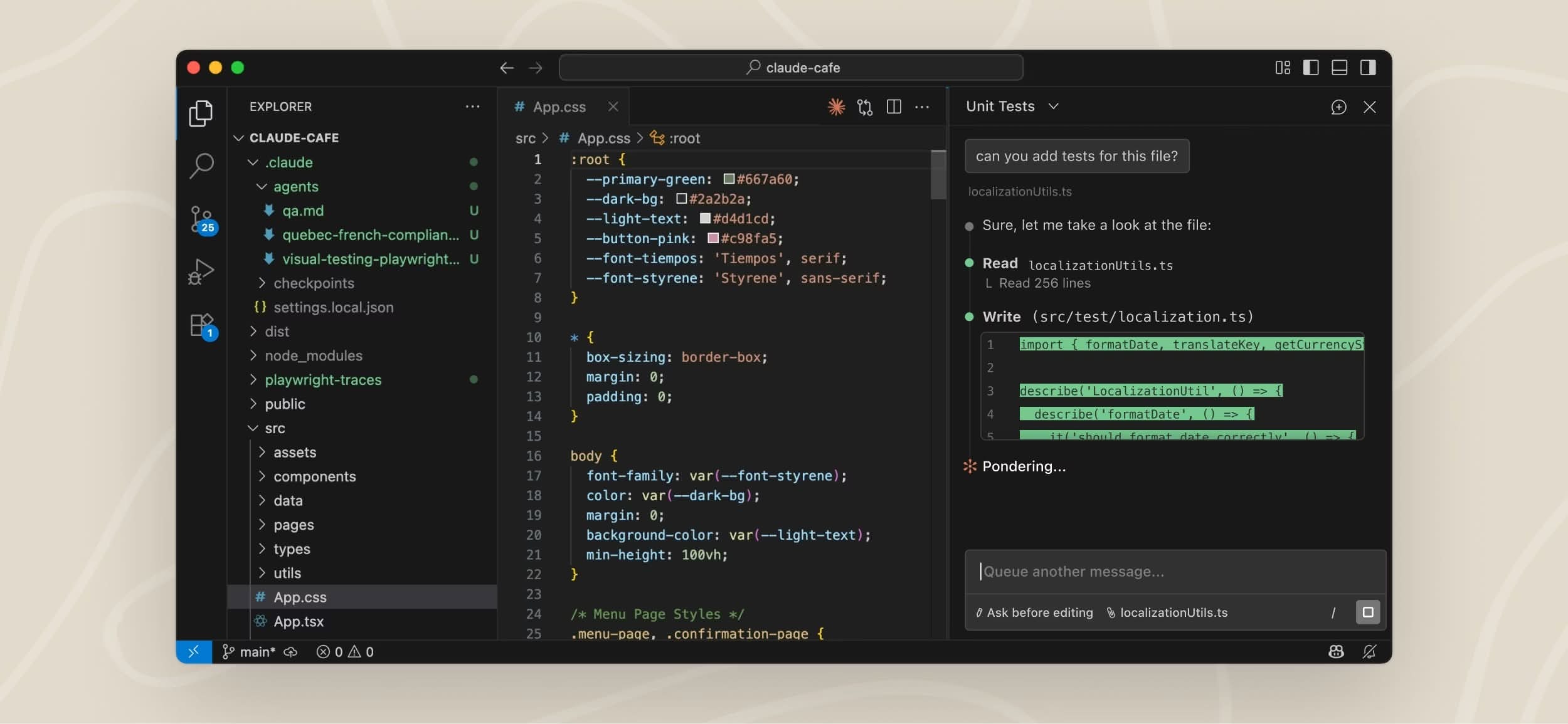
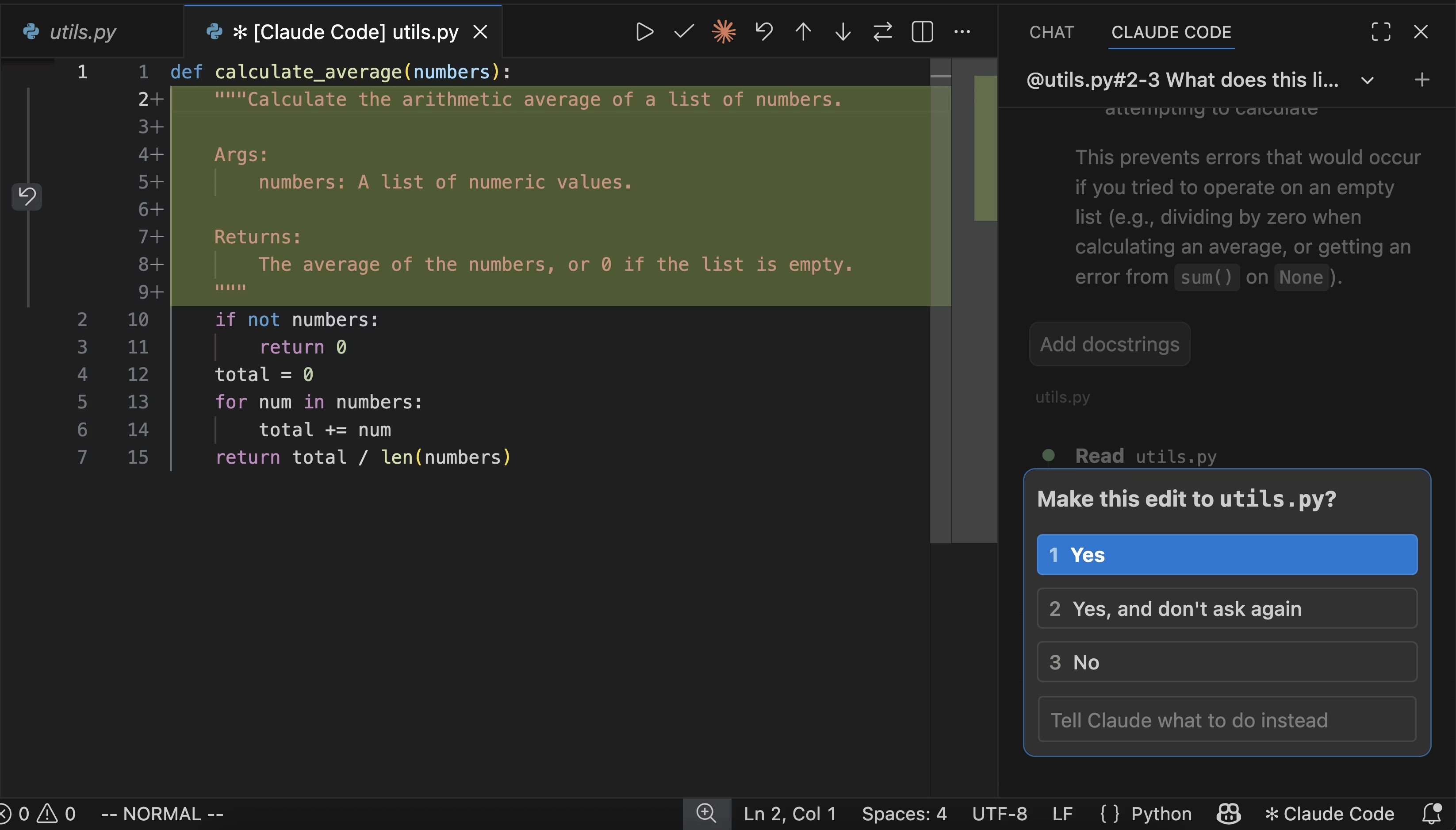
Use Claude Code in VS Code

Key Features:

  • Deep Code Understanding: Reasons across the entire repository context rather than just a single file, making it ideal for cross-module issues.

  • Autonomous Execution: Completes the workflow from bug localization to fix with minimal human intervention.

  • Multi-Platform Integration: Supports VS Code, JetBrains, Desktop Apps, and Web without forcing you to change environments.

Use Claude Code in VS Code
  • Advanced Reasoning: Outperforms most peers in high-difficulty scenarios like multi-file bug hunting and architectural refactoring.

  • Cloud-Hosted & Turnkey: No infrastructure to manage; pay-as-you-go.

  • Secure by Default: Hosted by Anthropic with clear permission boundaries and operational constraints.

3. Kollab

Kollab is an AI-native workspace designed specifically for team collaboration. Its starting point is fundamentally different from OpenClaw or Claude Code. It isn’t just about an agent performing a task; it’s about creating a space where your team and AI agents collaborate synchronously—tracking progress, iterating on outputs, and accumulating knowledge. Reference materials, work results, and cross-project contexts are centralized in one place, rather than scattered across chat logs, docs, and various SaaS tools. Its core thesis: AI should not be a tool you occasionally call upon, but a part of the workflow itself.

Key Features:

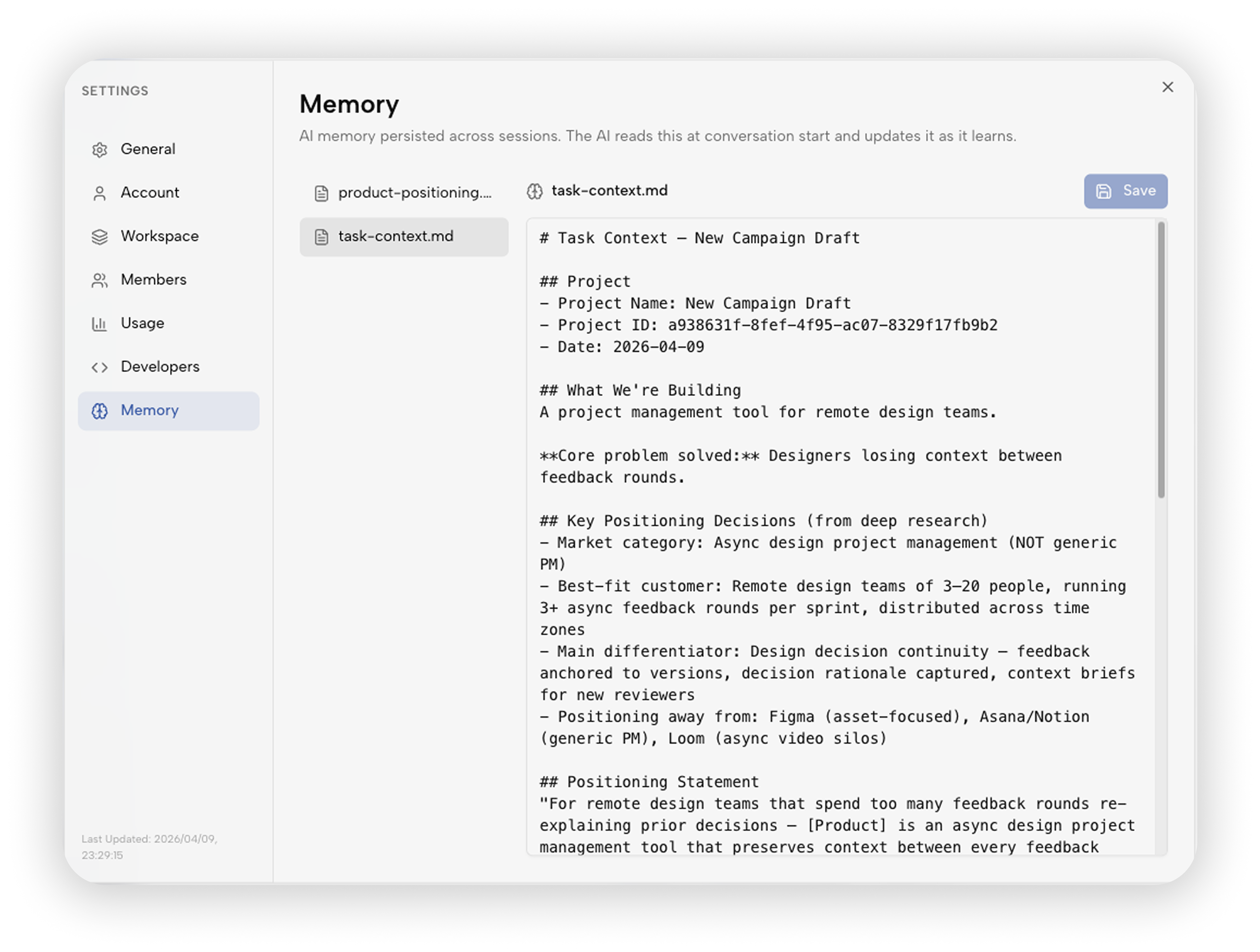
  • Persistent Memory: Agents maintain context across conversations, remembering previous decisions and preferences.
Kollab Memory management interface
  • Project Knowledge Base: Centralizes team documentation and data for direct agent access.

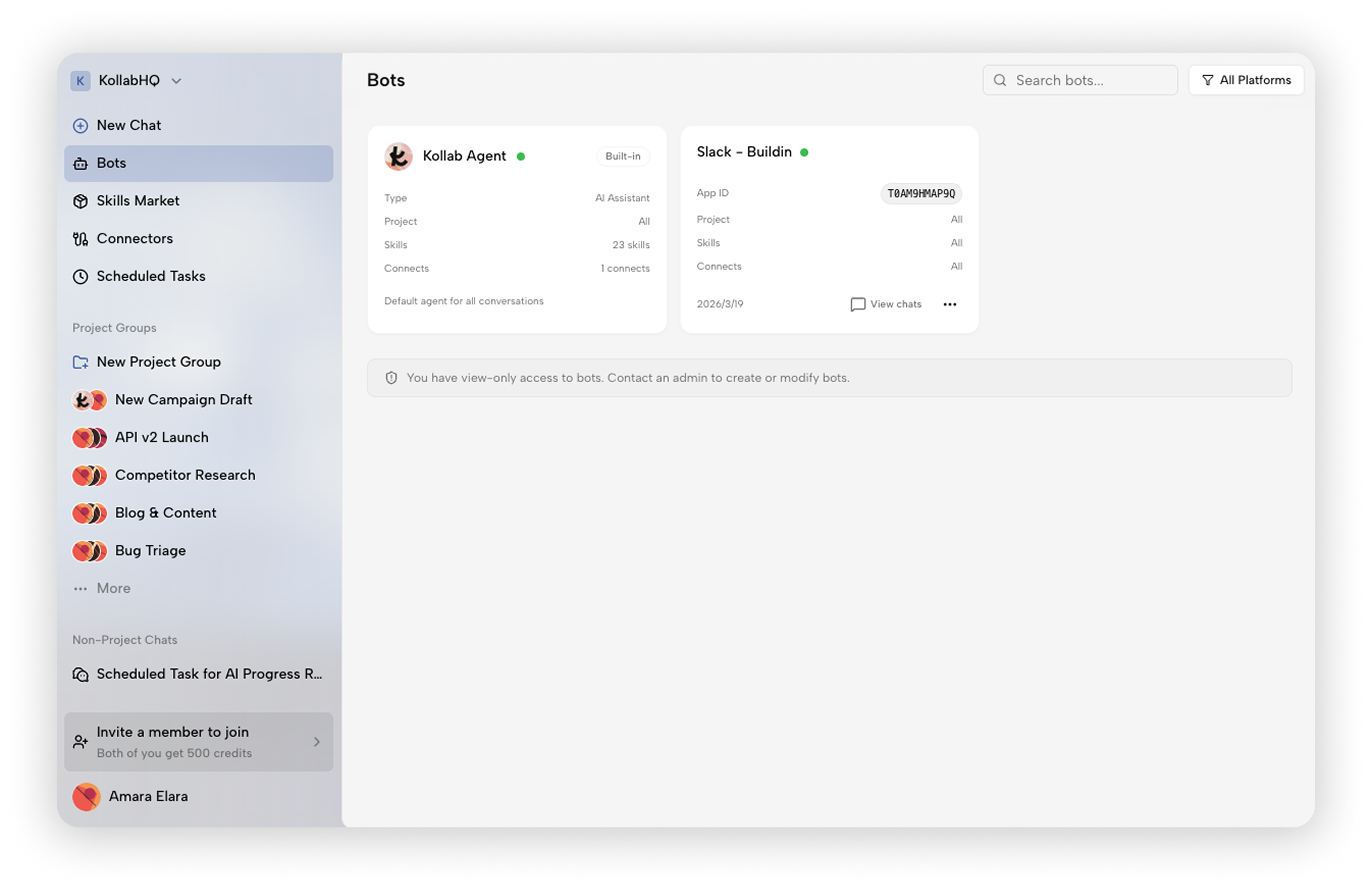
  • Bot & Agent Deployment: Allows for the customization and deployment of AI bots with specific roles and skills.

Kollab Bots
Kollab Bots
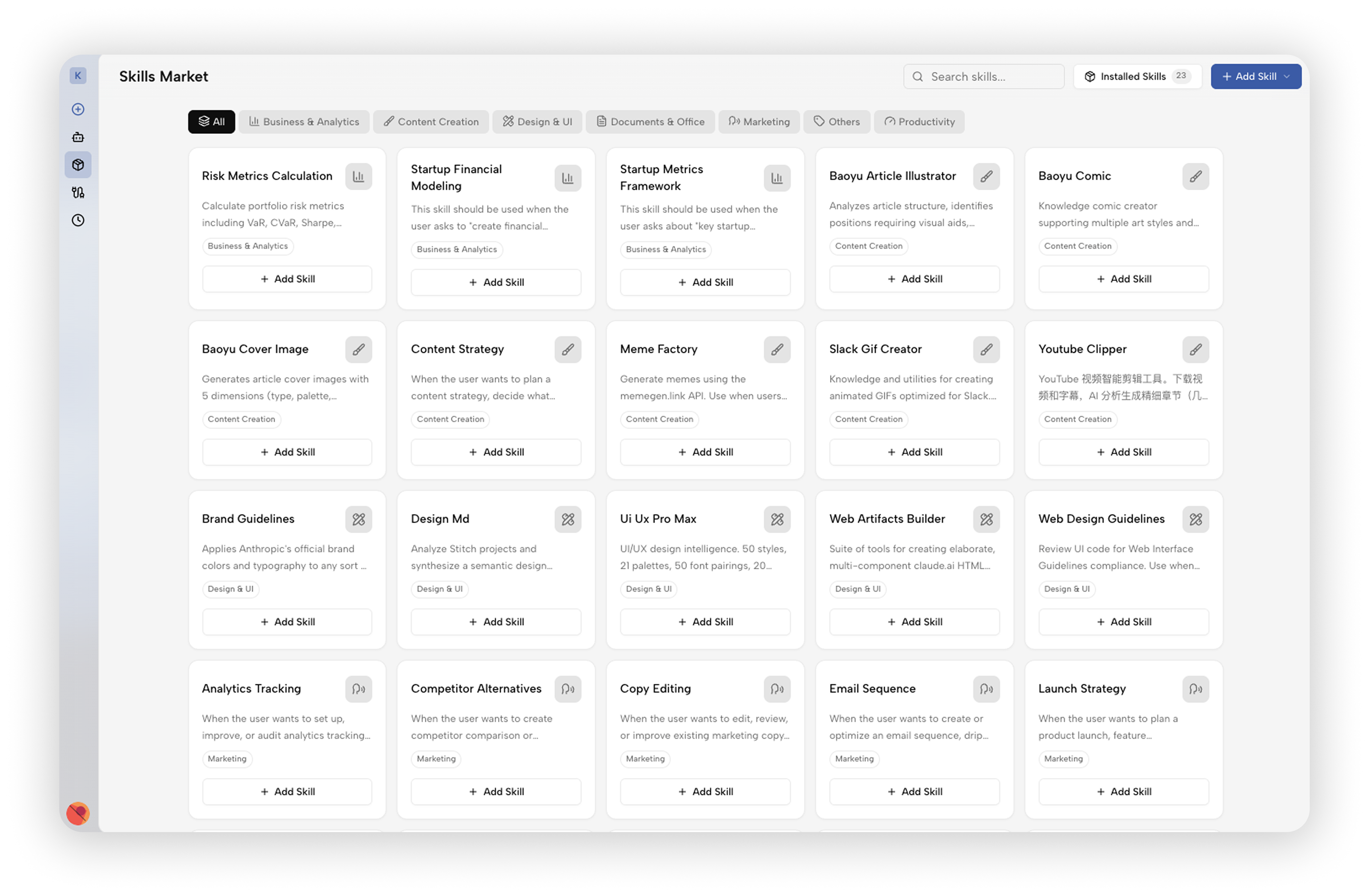
  • Skills & MCP Extensibility: Expands agent capabilities via the Skills system and MCP (Model Context Protocol) servers to connect with external tools.
Kollab Skills marketplace with reusable automation components for playbooks
  • Task & Session Management: Manages AI dialogues and tasks across multiple projects in a unified interface.

  • Team-Centric Perspective: Designed from the ground up for shared AI assets within a team.

Deep Dive Comparison

Key Differentiators

  1. Autonomy: From "Passive Response" to "Active Pulse"
  • OpenClaw offers a relatively high degree of autonomy among the three. Its unique Heartbeat mechanism shifts the human-computer interaction logic: it no longer waits for a prompt but actively polls the environment to check status and tasks.
  • Claude Code focuses its autonomy on "delivering results." You provide a bug report, and it autonomously handles the end-to-end chain from diagnosis to PR.
  • Kollab leans toward "governed collaborative autonomy." Agents are active members of the team space, but their actions are typically anchored to project boards or task milestones, emphasizing alignment with human pace.
  1. Context Depth: Instant Memory vs. Lifelong Learning
  • Claude Code possesses an incredible "local instant memory." Within a session, it knows a million-line codebase inside out, but once the session ends, it essentially resets, losing track of specific architectural preferences from previous weeks.
  • OpenClaw’s memory depends on your local configuration (e.g., connecting a vector database). While the ceiling is high, it requires manual tuning by the developer.
  • Kollab solves the problem of "understanding across time." Its Persistent Memory is native; an agent remembers project decisions from months ago like a veteran employee and applies that "tribal knowledge" to current tasks.
  1. Collaboration Boundaries: Solo Exoskeleton vs. Legion Synergy
  • OpenClaw and Claude Code are essentially powerful "personal exoskeletons." They raise the ceiling of individual productivity in a 1:1 relationship between the tool and the user.
  • Kollab is a "team intelligence pool." It assumes agent outputs should be shared and agent skills should be crystallized as team assets. In Kollab, the agent is a bridge connecting the knowledge fragments of different members.

Core Feature Comparison

Core Feature OpenClaw Claude Code Kollab
Core Capability Cross-platform/protocol automation End-to-end software engineering delivery Team knowledge base & AI workflow
Trigger Mechanism Periodic Heartbeat + Message triggers User-initiated commands Commands + Task state triggers
Env. Access Global system-level (browser/files) Deep project-level (execution/testing) Workspace & external SaaS (MCP)
Memory Mode Requires external storage config Session-based Native Persistent (Long-term)
Collaboration Individual use; no built-in layer Individual developer focused Shared Bots/Knowledge/Workflows
Extensibility Rich library of Skills plugins Evolves with Anthropic model updates Deep integration via MCP

Which One Is for You?

  • Choose OpenClaw if:

    • You need a 24/7 agent running in the background for cross-protocol automation.
    • You demand absolute control over AI behavior and model choice without data leaving your local environment.
  • Choose Claude Code if:

    • Your primary pain point is "coding," especially navigating complex, cross-module logic.
    • You need an expert coding partner that can independently run tests, fix bugs, and submit PRs with zero setup friction.
  • Choose Kollab if:

    • Your work involves multi-person collaboration and requires the AI to remember team styles and decision history as long-term assets.
    • You value context continuity across projects and cycles and want AI truly embedded in the team's workflow.

Final Thoughts: Building Your 2026 AI Stack

In 2026, looking for the "one perfect tool" is no longer a viable strategy. The true leap in productivity comes from the orchestrated use of different AI archetypes.

For a developer, the ideal configuration might look like this: use Claude Code for high-difficulty refactoring and bug fixing to ensure engineering quality; deploy OpenClaw to monitor local environments and handle multi-channel notifications; and finally, anchor all decision logic and project knowledge in Kollab to ensure every team member—human or agent—operates within the same context.

Technology is evolving from a "tool" into a "teammate." Your choice shouldn't just be based on a feature list, but on how you want to define your workflow: are you chasing peak individual performance, or building a smart team that grows continuously?

Related Articles