どのチームもClaude 4.7を利用できます。ただ、実際に処理が速いのは一部のチームだけです。
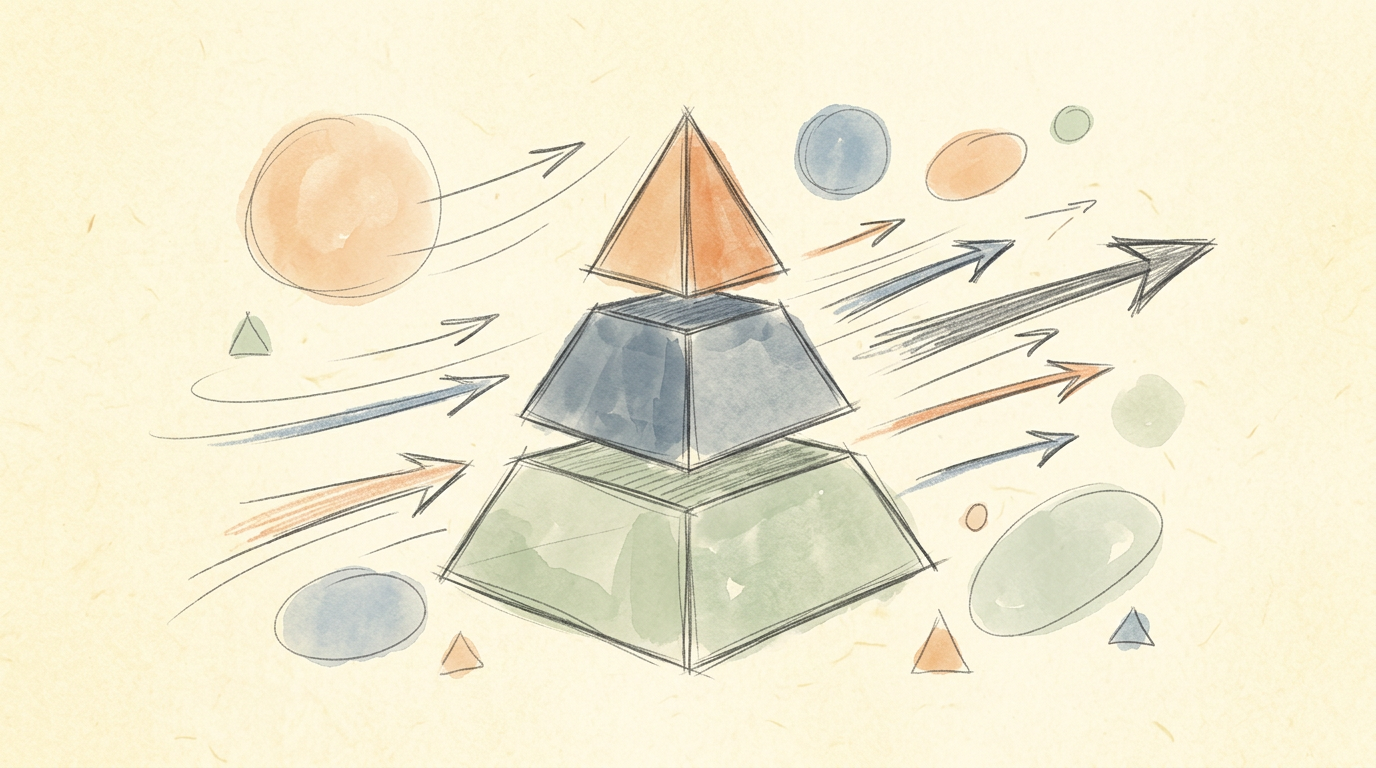
どのチームも、同じAIモデルを利用できます。では、なぜ一部のチームは劇的に生産性が高いのでしょうか?その答えは、どのモデルを使っているかではなく、その周りに何を構築したかです。
Claude 4.7がリリースされた際、Anthropicは限られた一部のユーザーにのみ提供したわけではありません。サブスクリプション契約を結んでいるすべてのチームが、同じモデルを入手しました。つまり、同じ推論の深さ、同じコーディング能力、そして思わず見とれてしまうほどの精度で複雑な多段階の問題を処理する能力を、すべてのチームが手にしたのです。
そこで疑問が生じる。6ヶ月が経過した今、なぜ一部のチームはAIによって成果が真に変革されたと報告している一方で、他のチームはClaudeのプランをアップグレードし、毎日使用しているにもかかわらず、実際にスピードアップしたワークフローを一つも挙げられないのだろうか?
同じモデル。全く異なる結果。ボトルネックがAIではないなら、一体何なのか?
答えは、プロンプティングのスキル向上ではありません。インターネットで見つけたより賢いテンプレートでもありません。それは、ほとんど誰も公に議論しないこと、つまり「実行層」です。つまり、チームがClaude 4.7に実際に動作させるためのインフラを構築したかどうか、ということです。
なぜモデルが変数ではないのか
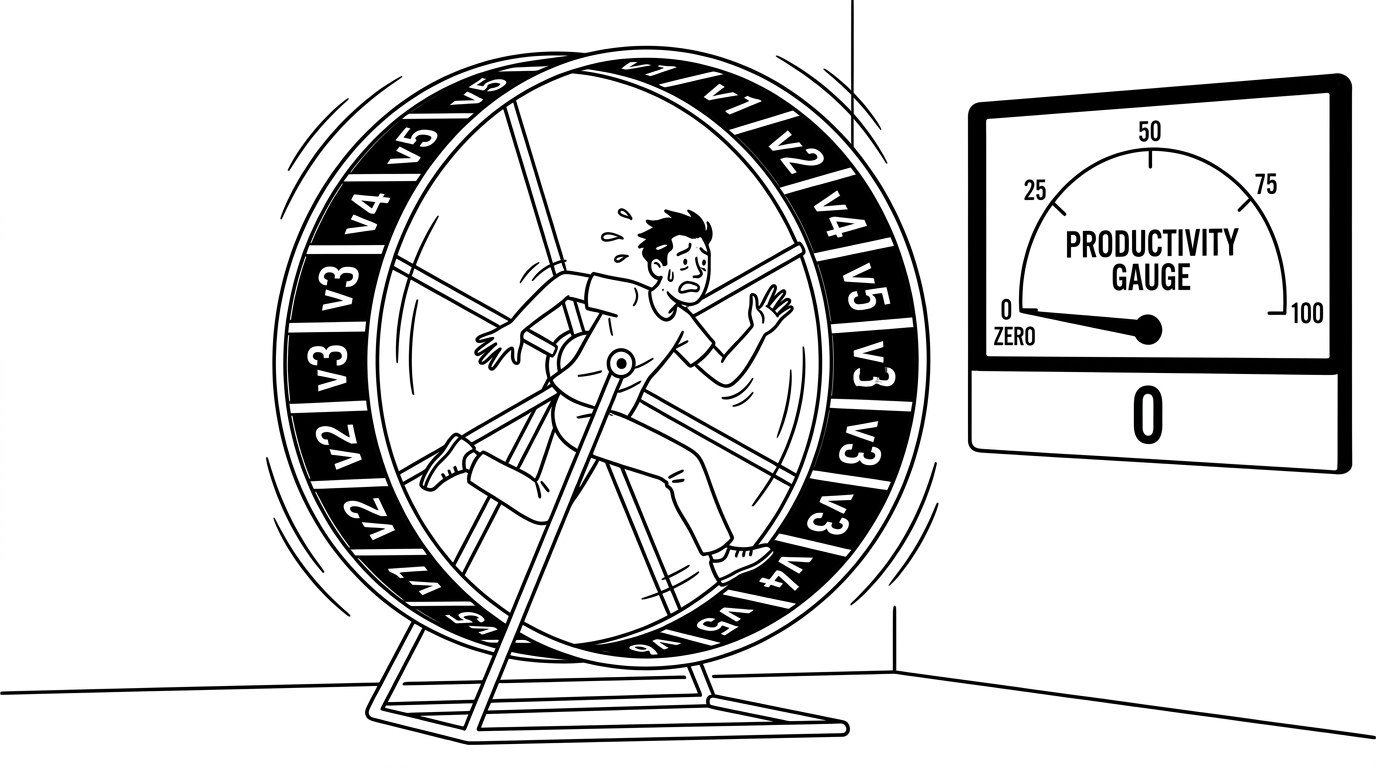
テック業界には、AIの生産性ギャップに対する都合の良い説明がある。「モデルが間違っている」というものだ。もしチームに成果が出ていないなら、まだ最新バージョンにアップグレードしていないに違いない。この考えが、サブスクリプションの解約、ベンチマークへの執着、そして終わりのないツールの乗り換えを助長している。
しかし、これは概して誤りである。
Claude 4.7は、曖昧な問題の推論、文脈の統合、そしてパターンマッチングではなく判断力を要する出力の生成において、真に、かつ測定可能なほどに優れています。前世代に比べて能力が向上しているのは事実です。
しかし、もう一つ現実としてあるのは、マッキンゼー・グローバル・インスティテュートの調査によると、ナレッジワーカーは勤務時間の28%近くをメールの管理や情報検索に費やしているという事実だ。これは1日2時間以上に相当し、実際の業務ではなく、業務を取り巻く雑務の処理に費やされている時間である。システム間の情報連携。見落とされたタスクのフォローアップ。本来失われるべきではなかった文脈の再構築。
Claude 4.7は、この問題を解決しません。単に、フォローアップメールをより速く書くのを助けるだけです。
AIを活用して成功を収めているチームが成功した理由は、より優れたモデルを持っているからではありません。あらゆるモデルを大規模に実用化できるアーキテクチャを構築したからこそ、成功を収めているのです。
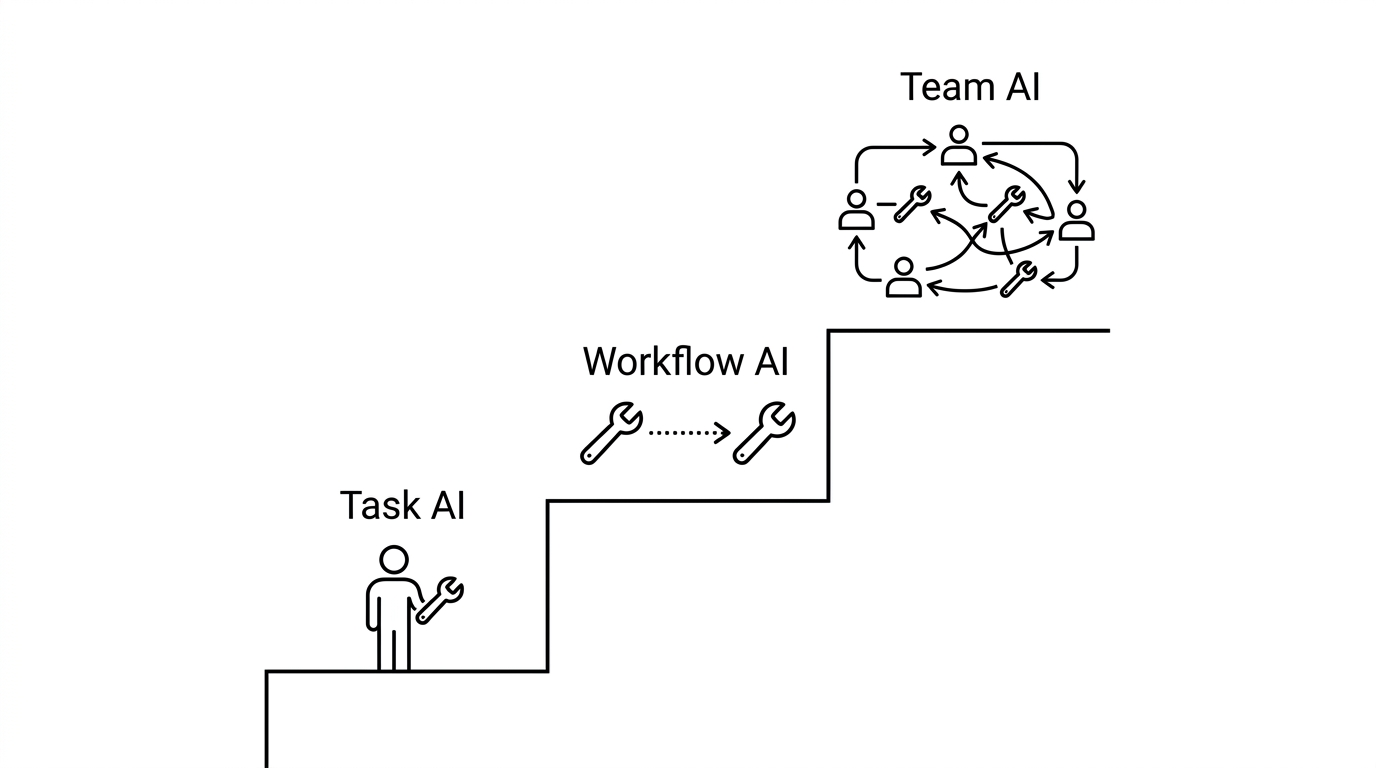
3つのレベル、そしてほとんどのチームは1つ目で足止めされている
「実行層(execution layer)」という用語は曖昧に使われがちなので、その意味と、そうでないものを明確にしましょう。
レベル1:タスクレベルのAI。ほとんどのチームはここにいる。要約をClaudeに貼り付け、下書きを受け取り、手動で次のステップへ進める。確かに有用だ。しかし、構造的にはAI導入前のワークフローと全く同じ——ある段階でより高速な執筆ツールが挿入されただけだ。タスク周辺の調整にかかるオーバーヘッドは変わらない。
レベル2:ワークフローレベルのAI。一歩進んだ段階です。Zapierやn8nを使っていくつかのステップを接続し、ルーティングの一部を自動化します。これで改善されますが、タスクにツール間のコンテキストや、特定の判断ポイントでの人間の判断、あるいはシステムを跨ぐ条件付きロジックが必要になると、話は変わります。自動化が機能しなくなり、誰かが手動で元に戻さなければなりません。
レベル3:チームレベルのAI。これが実行層だ。AIは単に質問に答えたりスクリプトを実行したりするだけでなく、業務を前進させ続ける。ツール間で情報をルーティングし、2週間前に下された決定の文脈を今日のタスクに引き継ぐ。現在のステップが完了すると、誰かがボタンを押すのを忘れることなく、次のステップをトリガーする。情報は流れ、記憶は持続する。
これらのレベル間の隔たりは、単なる段階的なものではありません。それはアーキテクチャ的なものです。2つのチームが毎日Claude 4.7を実行していたとしても――一方がレベル1、もう一方がレベル3――その結果は、まるで全く異なるツールを実行しているかのように見えるでしょう。
同じモデルが異なる結果を生み出す4つの理由
実行アーキテクチャの異なる2つのチームにClaude 4.7を導入すると、その差異はほぼ即座に明らかになります。その要因は以下の通りです:
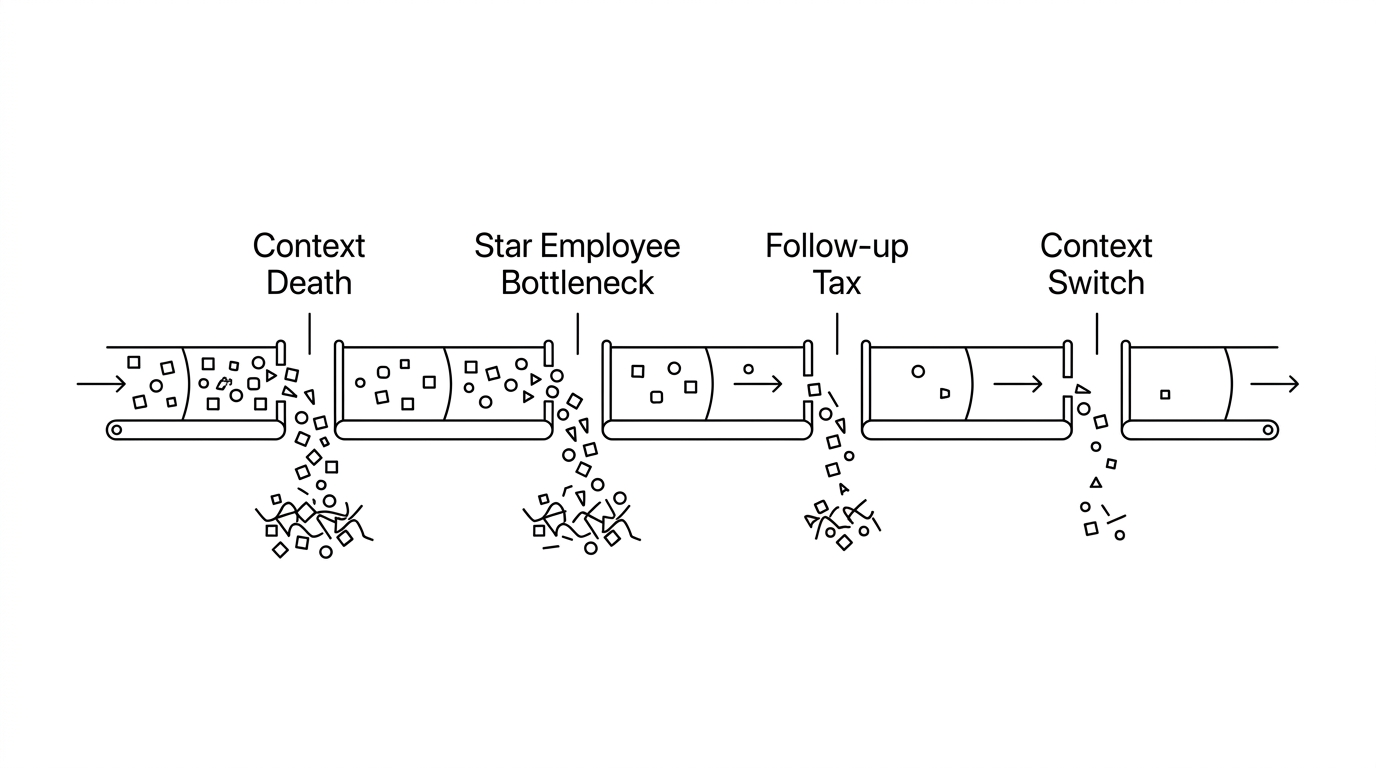
引き継ぎ時のコンテキスト喪失。会議で決定が下される。誰かがそれをNotionのドキュメントに書き留める。Jiraにタスクが作成される。Slackに更新情報が投稿される。 3週間後、なぜその決定が下されたのか誰も知らない——コンテキストは、誰も再視聴しない録画の中にあり、誰も再読しないドキュメントにリンクされ、自身の起源を記憶していないタスクに紐付けられている。Claude 4.7は高速だが、コンテキストなしで回答する場合、その出力品質は与えられた質問の範囲内に留まり、それ以上にはならない。
スター社員によるボトルネック。最も有能な社員は、ツールチェーンの扱い方、有用な出力を得るためのAIリクエストの組み立て方、そして作業の順序立てて進めることで障害を回避する方法を熟知している。彼らが退職したり休暇を取ったりすると、その知識は引き継がれない。どこにも体系化されていなかったからだ。デロイトの調査によると、主要な社員が離職すると、企業は組織的知識の30~70%を失うと推定されている。誰かの頭の中にしか存在しなかったものを、どんなモデルのアップグレードも置き換えることはできない。
フォローアップの負担。 ハーバード・ビジネス・レビューによると、過去20年間で従業員へのコラボレーションの要求は50%以上増加したが、それに見合う成果の質の向上はなかった。マイクロソフトの2024年版「ワーク・トレンド・インデックス」も同様のパラドックスを指摘している。現在、世界のナレッジワーカーの75%がAIツールを利用しているにもかかわらず、調整にかかるオーバーヘッドは増え続けている。 このオーバーヘッドの大部分は、純粋な調整作業に過ぎない。「これは終わったか?」「進捗はどうだ?」「ドキュメントを更新してくれるか?」。これらは仕事そのものではない。仕事を取り巻く「メタ作業」なのだ。情報を自動的にルーティングするシステムを構築しない限り、Claude 4.7はこのオーバーヘッドを削減することはできない。
コンテキスト切り替えのコスト。平均的なナレッジワーカーは1日に8~14種類の異なるアプリケーションを使用しています。切り替えのたびに認知的なコストが発生します。単にクリックするのに数秒かかるというだけではありません。カリフォルニア大学アーバイン校のグロリア・マークによる研究では、一度の中断の後、完全に集中力を取り戻すまでに平均23分かかることが判明しています。Claude 4.7は数秒で応答します。しかし、正しい回答を適切な場所に届けるために3つのツールを切り替える必要がある場合、その速度の利点は、誰かの役に立つ前に消えてしまいます。
Claude 4.7だけではできないこと
Claude 4.7は思考において卓越しています。しかし、チームメンバーを記憶したり、業務を割り振ったり、システムを連携させたりするようには設計されていません。これは欠陥ではなく、単に別の課題なのです。
Claude 4.7に単独で質問を投げかければ、その質問には答えてくれます。しかし、以下のことは知りません:
先週の木曜日にチームが何を決定したか
その回答を待っているために滞っているタスクは何か
その回答をどこに送るべきか — Notion?Jira?Slack?メールの下書き?
回答が届いた後の次のステップ
誰に、どのチャネルを通じて通知する必要があるのか
これらは、より賢いモデルが自動的に理解できるようなことではありません。組織の記憶、システム横断的なコンテキスト、そしてワークフローのルーティングが必要です。インフラストラクチャが不可欠なのです。
スタンフォード大学HAIの「2024年AIインデックス」によると、AIによる生産性の向上は、最も高性能なモデルを導入しているチームではなく、人間の判断と自動化された実行の間に緊密なフィードバックループを持つチームで最も高いことが判明しました。この傾向は一貫しています。結果を決定するのはインフラであり、モデルの純粋な能力ではないのです。
オーケストレーションのない知能は、単なる潜在エネルギーに過ぎない。
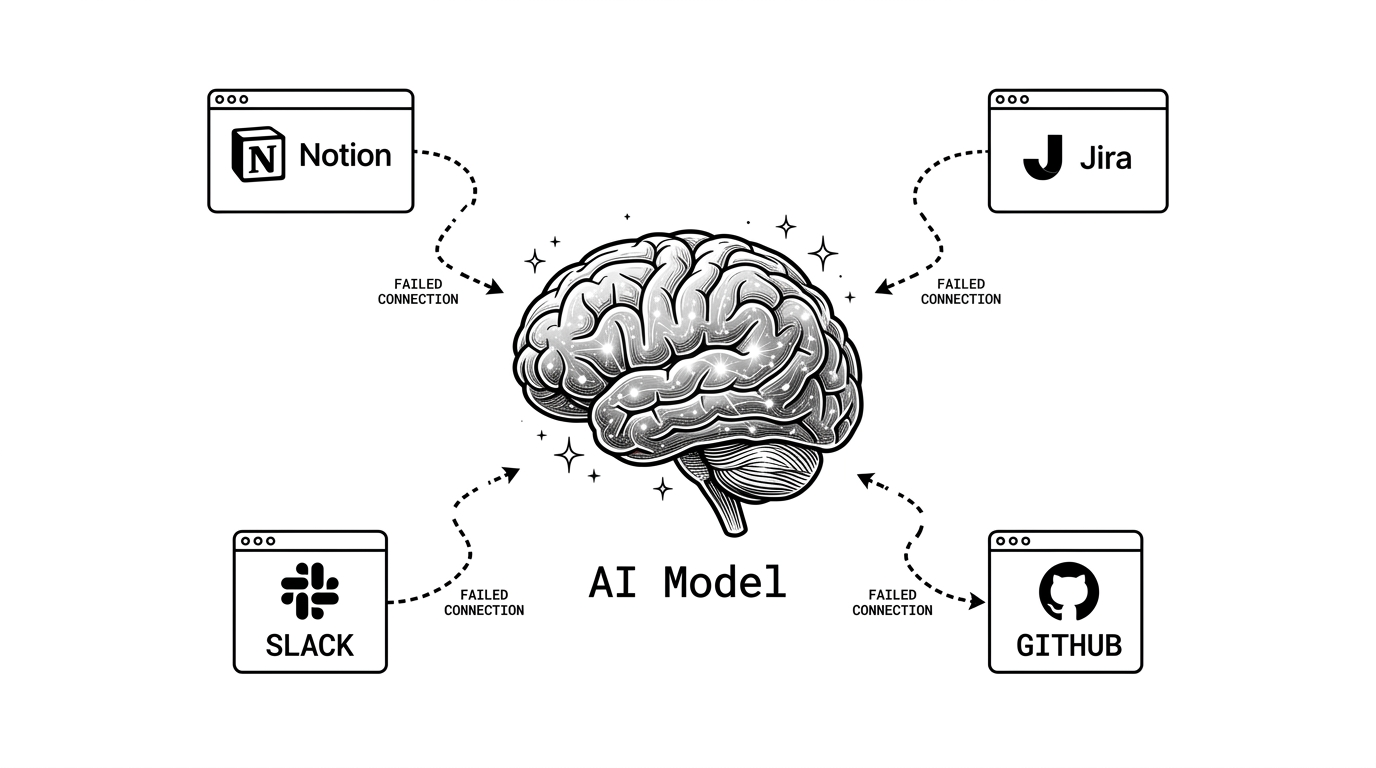
AIで成果を上げているチームが実際に構築したもの
ここでKollabがそのギャップを埋めます。Claude 4.7やその他のモデルの代替としてではなく、それらのモデルをチームレベルで実際に有用なものにするオーケストレーション層として機能します。
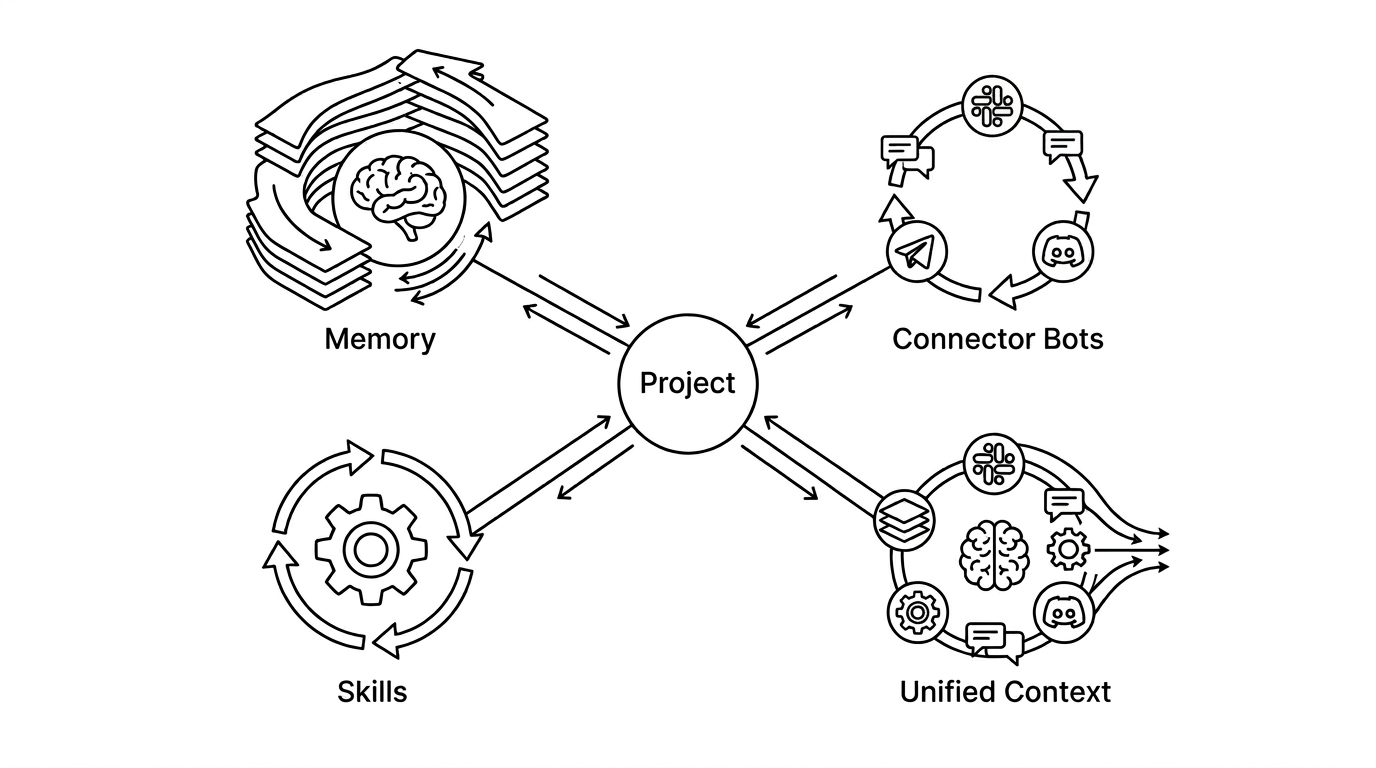
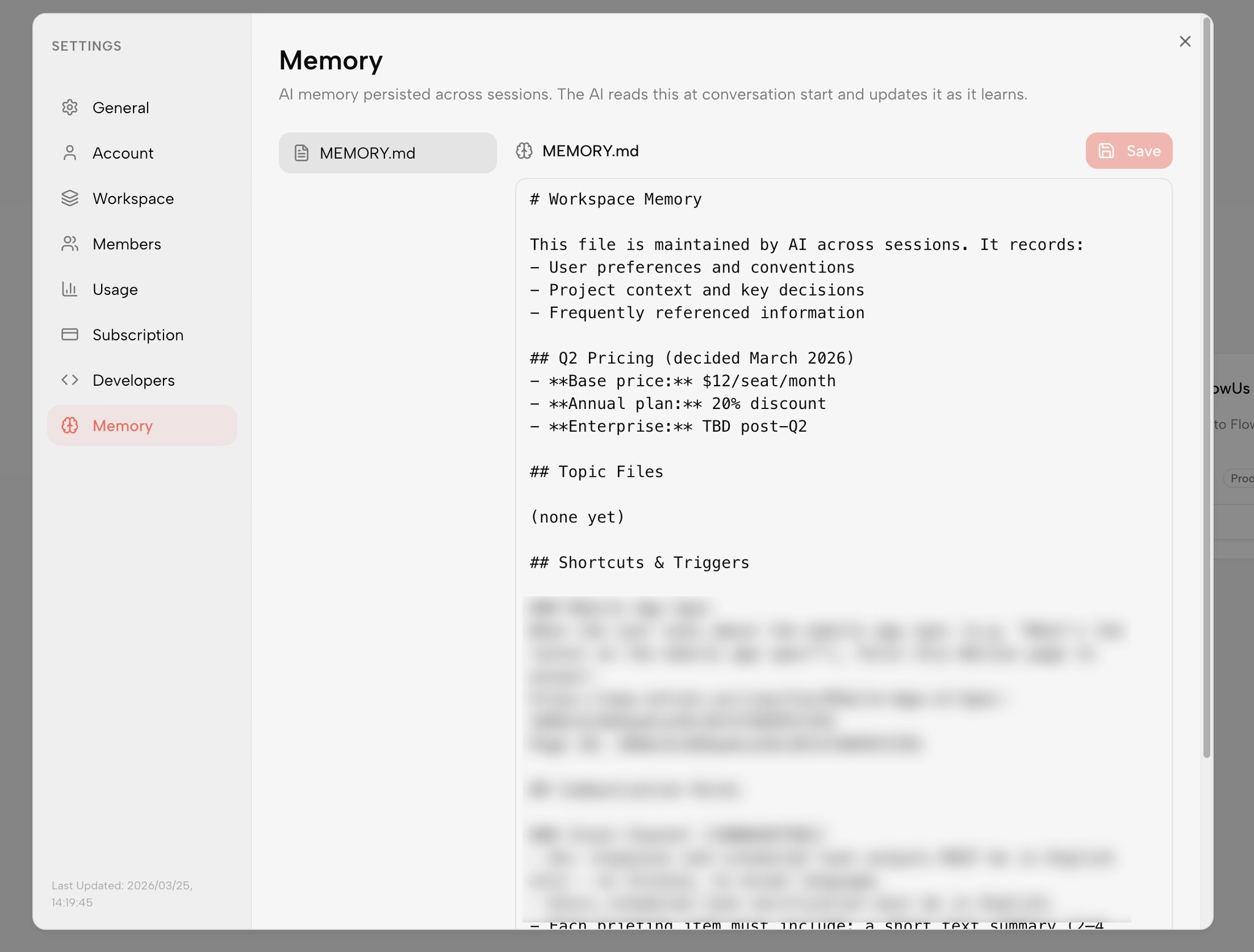
永続的な組織メモリ。Kollabのメモリシステムは、単に前回の会話を記憶するだけではありません。チームが優先順位をどのように設定するか、暗黙の基準は何か、過去の意思決定の背景にあるコンテキストを蓄積していきます。Claudeがそのワークスペース内で動作する際、白紙の状態からではなく、蓄積された組織のコンテキストを起点とします。システムがすでにチームを理解しているため、その出力は即座に有用なものとなります。
スキル:体系化されたチームワークフロー。現在、最も経験豊富な従業員の頭の中にしか存在しないベストプラクティスを、「スキル」としてコード化できます。これは、自動的に実行される、繰り返し可能で改善可能なワークフローです。あるスキルは、Jiraから更新情報を取得し、GitHubから重要なコミットを抽出し、フィードバックチャネルで最も重要な課題を抽出して、リリース概要を生成するかもしれません。誰かが手動でトリガーすることを忘れることなく、毎サイクル自動的に実行されます。誰かがそのスキルを改善すれば、チーム全体が即座に恩恵を受けます。
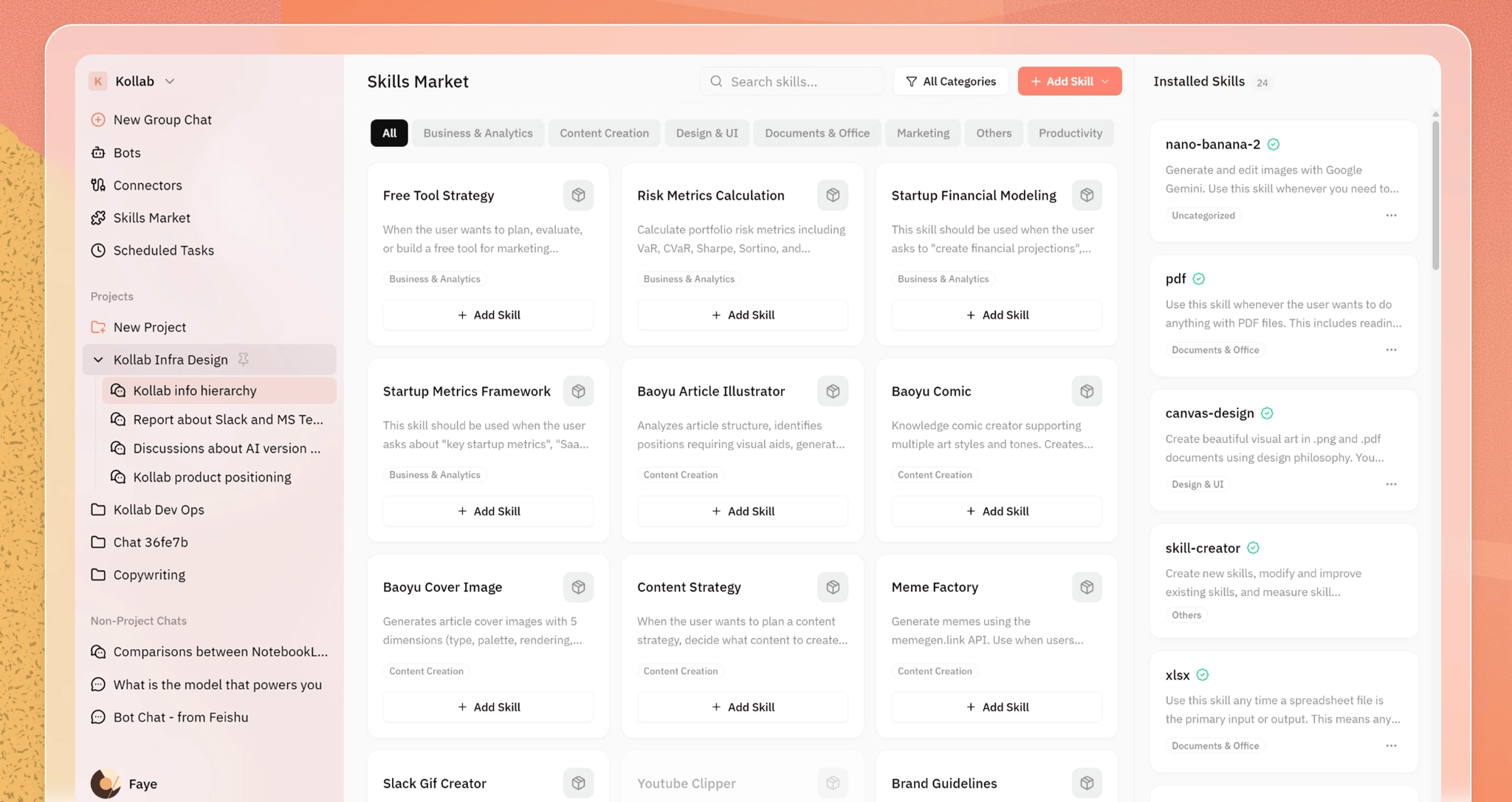
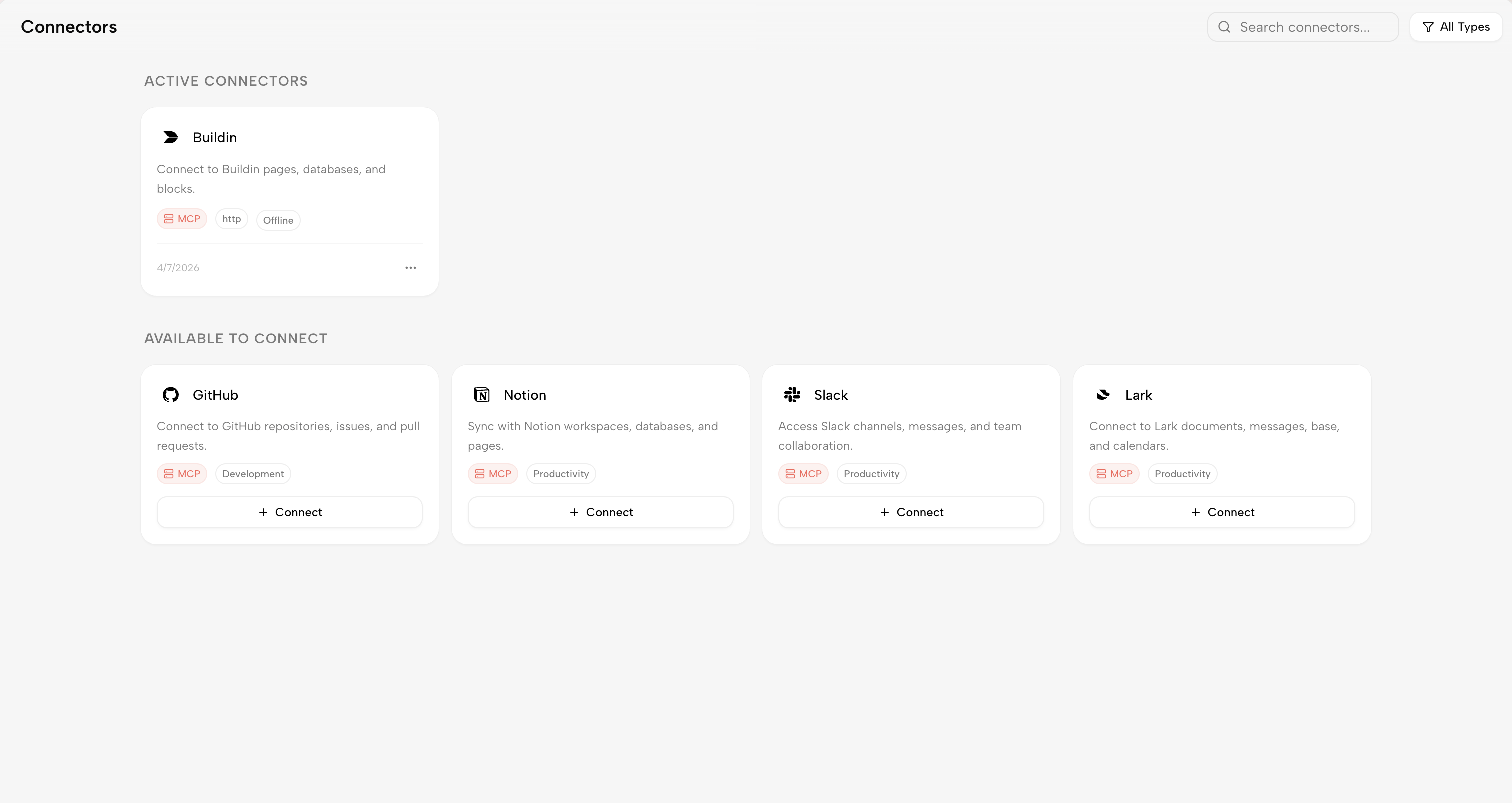
コネクターボット:普段使っている場所でAIを活用。 Slack、GitHub、Notionを捨てて新しいツールに移行する人はいません。Kollabのコネクターボットを使えば、Slack、Telegram、Discord内で同僚に@メンションするのと同じように@Kollabと入力するだけで、コンテキストを切り替えることなくシステムを横断した実行がトリガーされます。AIが、あなたが普段いる場所にやってくるのです。
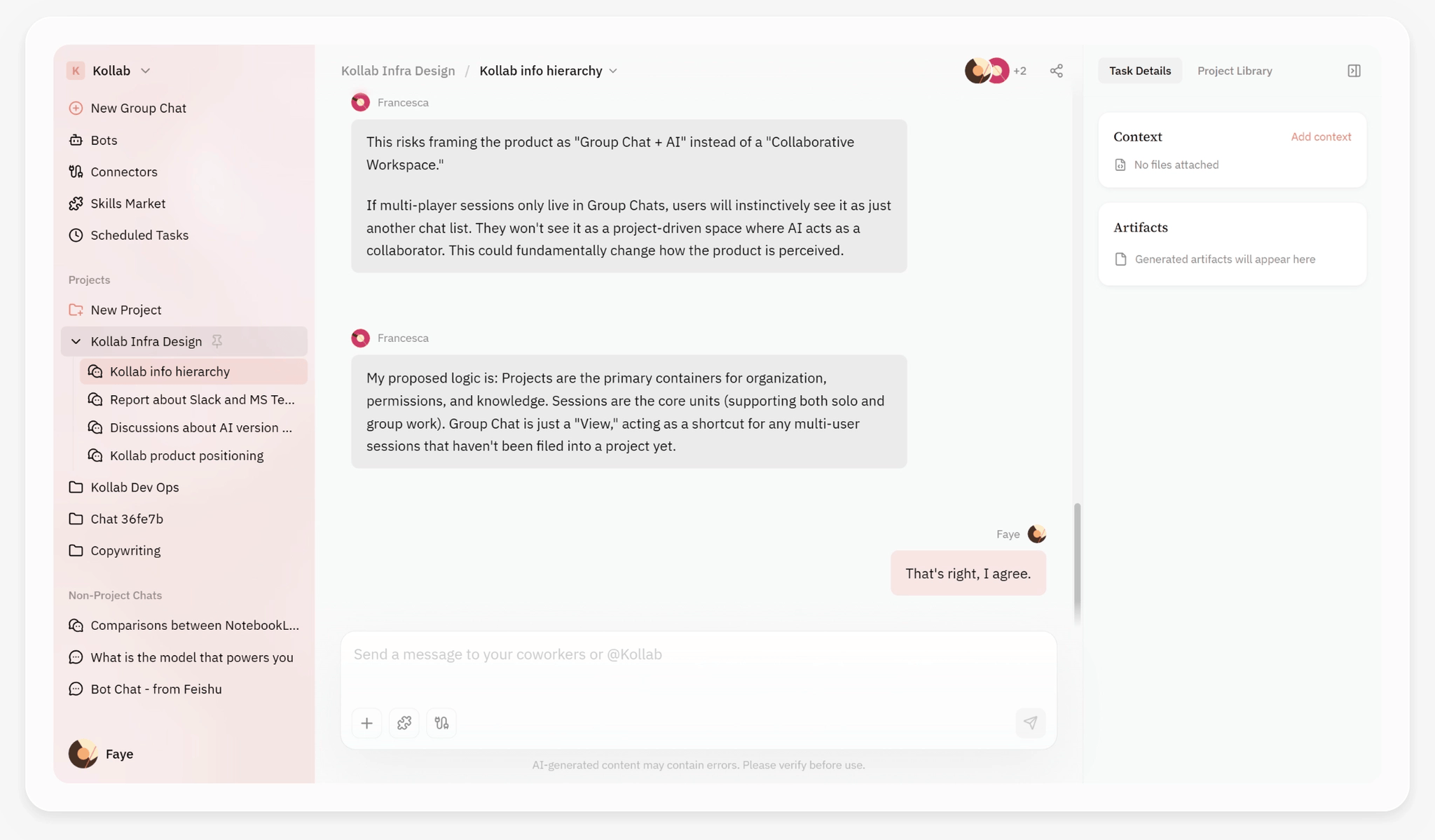
統合されたプロジェクトコンテキスト。Kollabでは、プロジェクトが記憶の単位となります。ディスカッション、ドキュメント、AIとのやり取り、タスクの状態、エージェントの動作がすべて同じコンテキスト内に存在します。「Slackの履歴の中で見失ってしまった」といったことや、「Notionのドキュメントのどこかにあったと思う」といったことはもうありません。作業とその記憶が同一の場所に集約されます。
今週実行できる診断
次回のモデルアップグレードの前に、まずこれを行ってください。
チームが少なくとも週に1回実行している定型ワークフローを選びましょう。スタンドアップミーティングのまとめ、スプリントレビューのブリーフィング、クライアントへの進捗報告などです。ツールの切り替えや、状況確認のためにチームメイトに連絡を取る必要があるステップを含め、すべてのステップを洗い出してください。ステップ数を数え、切り替え回数を数え、実際の所要時間を算出します。
そして自問してください:そのステップのうち、どれだけが「知的な作業」を必要とし、どれだけが単なる「ルーチン作業」に過ぎないでしょうか?
多くのチームにとって、その答えはこうです。「知的な作業」に費やす時間は全体の20%に過ぎません。一方、「ルーチン作業」、ツールの切り替え、フォローアップ、文脈の再構築には80%の時間が費やされています。
この80%は、モデル上の問題ではありません。実行層の問題なのです。そして、この違いを早期に認識したチームこそが、今まさにリードを広げているのです。
格差は構造的なものであり、拡大の一途をたどっている
Claude 4.7は素晴らしい。次のモデルはさらに素晴らしいものになるだろう。能力の向上曲線は現実的かつ確実だ。世界経済フォーラムの『Future of Jobs Report 2025』(55カ国の1,000社以上の雇用主を対象とした調査)は、2030年までにビジネスを再構築する最も変革的な力としてAIを挙げている。この格差を拡大させている要因は、モデルの能力ではない。組織がそれに基づいて行動するためのインフラを構築したかどうかにある。
しかし、もしあなたのワークフローが、依然として断片的なツールの切り替え、手作業による引き継ぎ、そして継続的なコンテキストを持たない単発のAIインタラクションの連続であるなら、モデルのアップグレードは、ハンドルのない車に高速エンジンを搭載するようなものに過ぎません。デモではより感心するかもしれませんが、チームの実際のスピードは向上しないでしょう。
AIから格段の成果を上げているチームは、最も高性能なモデルを持っているチームではありません。彼らはまず実行レイヤーを構築したチームです。そして月日が経つごとに、そうしたチームと他のチームとの差は少しずつ広がり続けています。
Kollabから始めて、AIが単に質問に答えるだけでなく、チームと連携して働くときに何ができるのかを確認してください。