Blog

GPT-5.5 Makes "AI Working Independently" a Reality, but Who Will Be Its Teammate?

Apr 24, 2026enSency ShenResources9 min read
image.png

GPT-5.5’s native agent capabilities are now live, marking the first time AI can understand ambiguous instructions, plan autonomously, and automatically invoke tools. As AI evolves from a “tool” to an “employee,” what kind of teammate does it need? How does Kollab become the collaboration platform for AI agents?

GPT-5.5AI AgentMulti-Agent CollaborationAI Collaboration PlatformKollabAgent Orchestration2026 AI Trends

Introduction: When AI Is No Longer a "Tool," but an "Employee"

On April 23, 2026, OpenAI officially launched GPT-5.5, positioning it as a "next-generation agent" rather than a traditional chatbot . On the official launch page, OpenAI explicitly stated that GPT-5.5 can understand vague user instructions, autonomously plan tasks, invoke tools, verify results, and persistently work toward completing the task—users no longer need to micromanage every step.

This marks a significant milestone in the history of AI: AI is transitioning from a "human-driven tool" to an "agent capable of independently completing complex tasks. "

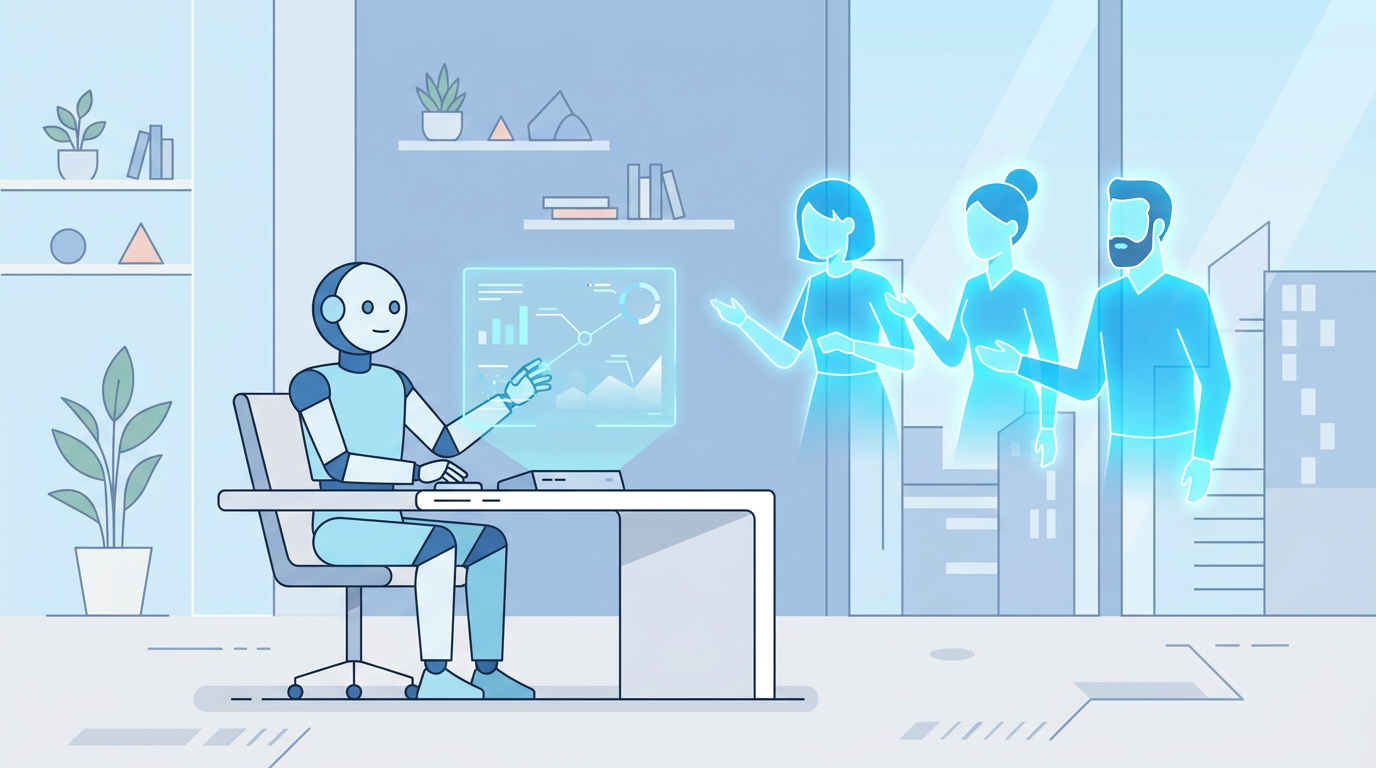
But this raises a question: Once an AI Agent can work independently, what kind of "work environment" does it need? Who will be its teammates? Who will coordinate collaboration between it and other Agents?

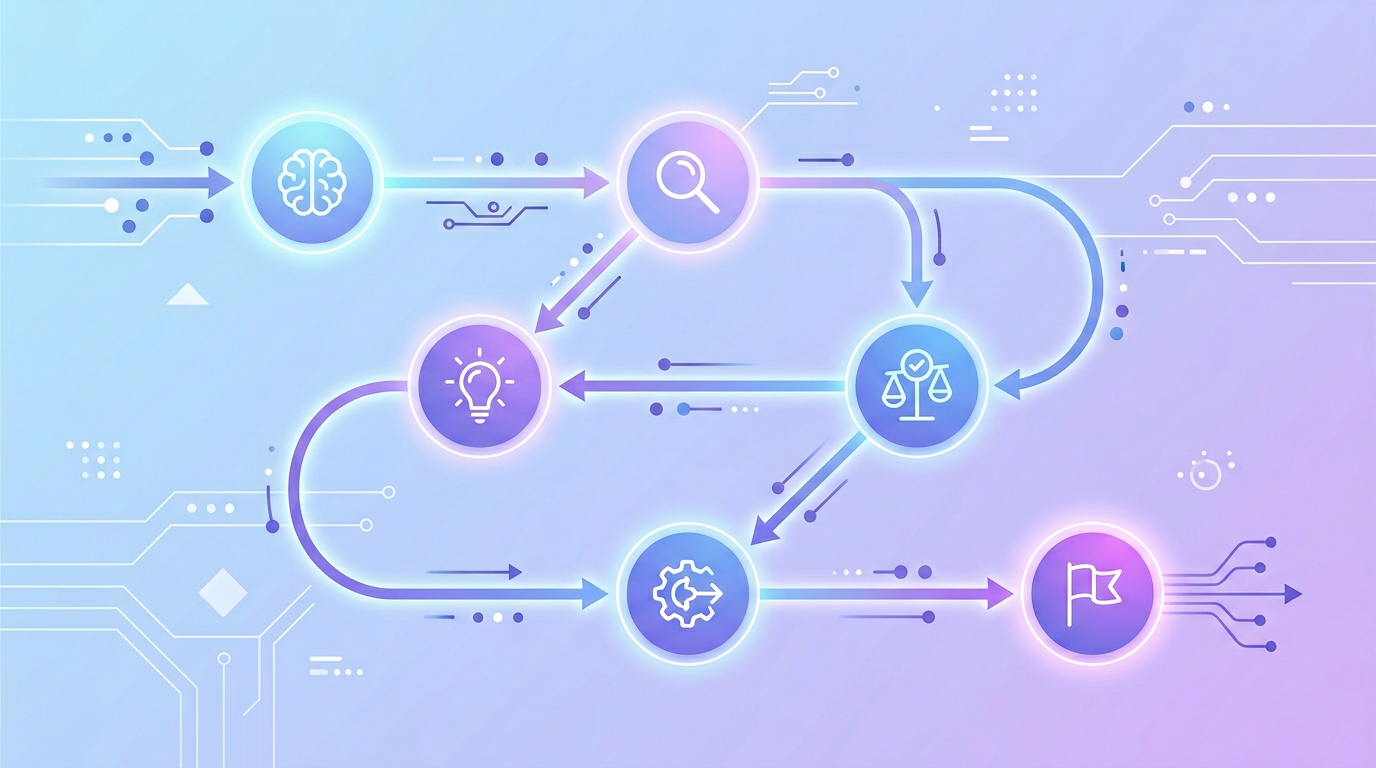
GPT-5.5 AI Agent新定位
GPT-5.5 AI Agent新定位

I. Why GPT-5.5 Makes "AI Working Independently" Possible

The core breakthrough of GPT-5.5 is that it natively possesses agent capabilities, rather than relying on third-party frameworks. Here are its key upgrades:

1. Understanding Fuzzy Instructions

GPT-5.5 can understand vague instructions like "Help me research the current state of the quantum computing industry and write a report" without needing to break them down into detailed steps such as "search → read → organize → write." According to TechCrunch, this capability is called "Intent Understanding" and is a crucial step toward becoming a general-purpose agent.

Kollab Agent创建界面
Kollab Agent创建界面

2. Autonomous Planning and Tool Invocation

GPT-5.5 features built-in engines for function calling and multi-step reasoning, enabling it to autonomously decide when to invoke tools such as search, code execution, and file reading, and dynamically adjust its next steps based on the results. Anthropic’s official blog refers to this capability as “Agentic AI,” identifying it as the most significant technological trend in the AI field for 2026.

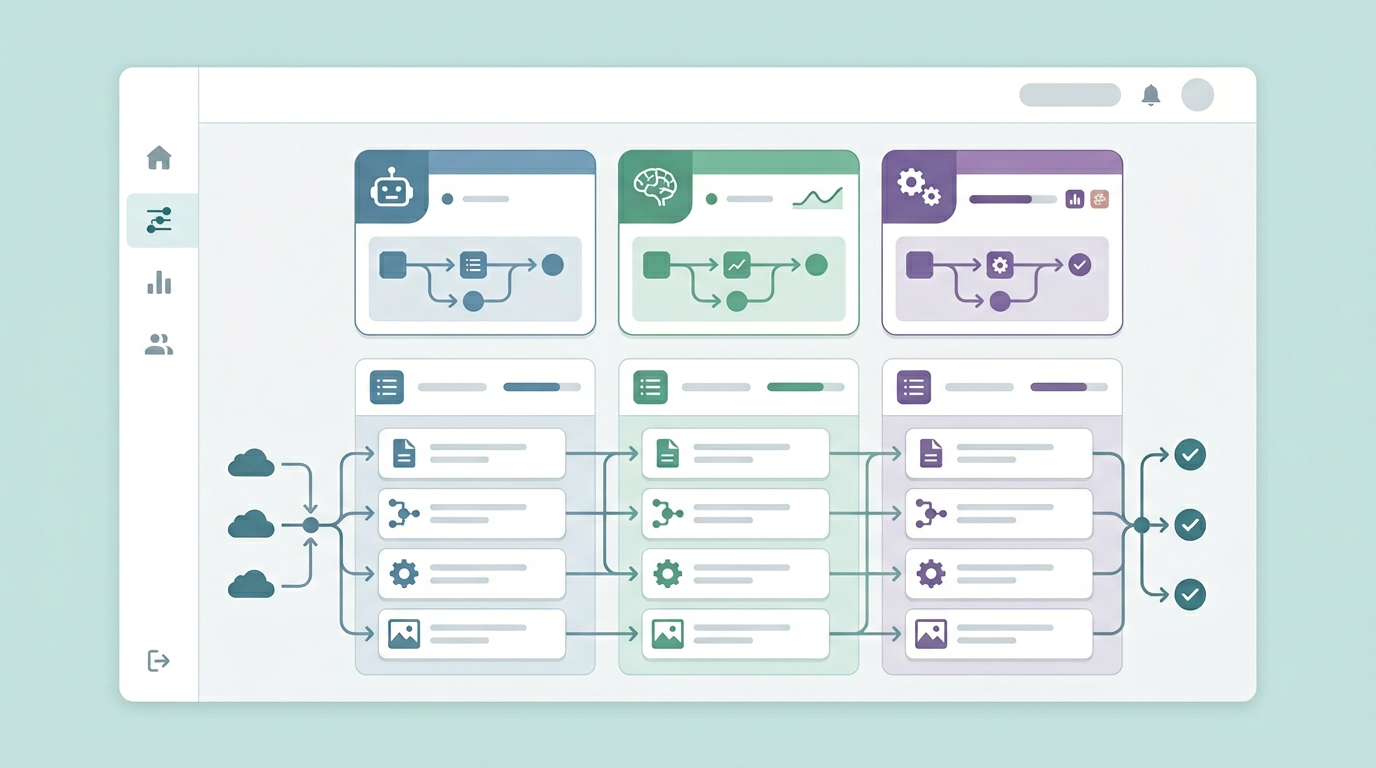
Kollab多Agent任务编排界面
Kollab多Agent任务编排界面

3. Ultra-Long Context (1M Tokens)

GPT-5.5 supports a 1 million-token context window, equivalent to processing the entire text of *War and Peace* or the entire history of a codebase in a single go. An analysis by VentureBeat notes that this capability completely eliminates the AI "memory gap" problem, enabling AI agents to:

  • Read and understand an entire project’s code in a single pass

  • Maintain global contextual consistency during long conversations

  • Conduct comprehensive analysis and reasoning across documents

4. Native Web Search and Real-Time Information Retrieval

GPT-5.5 integrates native web search capabilities, enabling it to retrieve the latest information in real time while performing tasks, rather than relying on "outdated knowledge" from training data. This capability makes it particularly effective in scenarios requiring up-to-date data support, such as market research, news analysis, and competitor monitoring.


II. What Kind of "Work Environment" Does an AI Agent Need?

As AI agents become sufficiently capable, the question shifts from "What can AI do?" to "Where does AI work?" According to McKinsey’s "State of AI Trust" report released in March 2026, only about 10% of business functions are currently using AI agents, while 86% of business leaders believe their organizations are "ill-prepared" to integrate AI into daily operations.

McKinsey further notes that only one-quarter of leaders expect AI agents to serve as “autonomous teammates” for employees in the near term. This implies that most companies are not yet truly ready for the era of AI agents.

2.1 Three Major Challenges Facing Autonomous Agents

In its *State of the Organization 2026 Report* (PDF download), McKinsey identifies three core challenges currently facing AI agents:

Challenge 1: The Capability Ceiling of Individual Agents

Even GPT-5.5 struggles to master all fields simultaneously—an agent may excel at research but lack design skills; or be adept at writing but unable to execute code.

Challenge 2: Lack of Task Handover Mechanisms

Once an agent completes a task, who is responsible for passing the results to the next agent? Who defines the collaboration process between them?

Challenge 3: Inability to Access Real-Time, Multi-Source Information

A single agent is often confined to specific tools or data sources and cannot freely access cross-platform information like real team members.

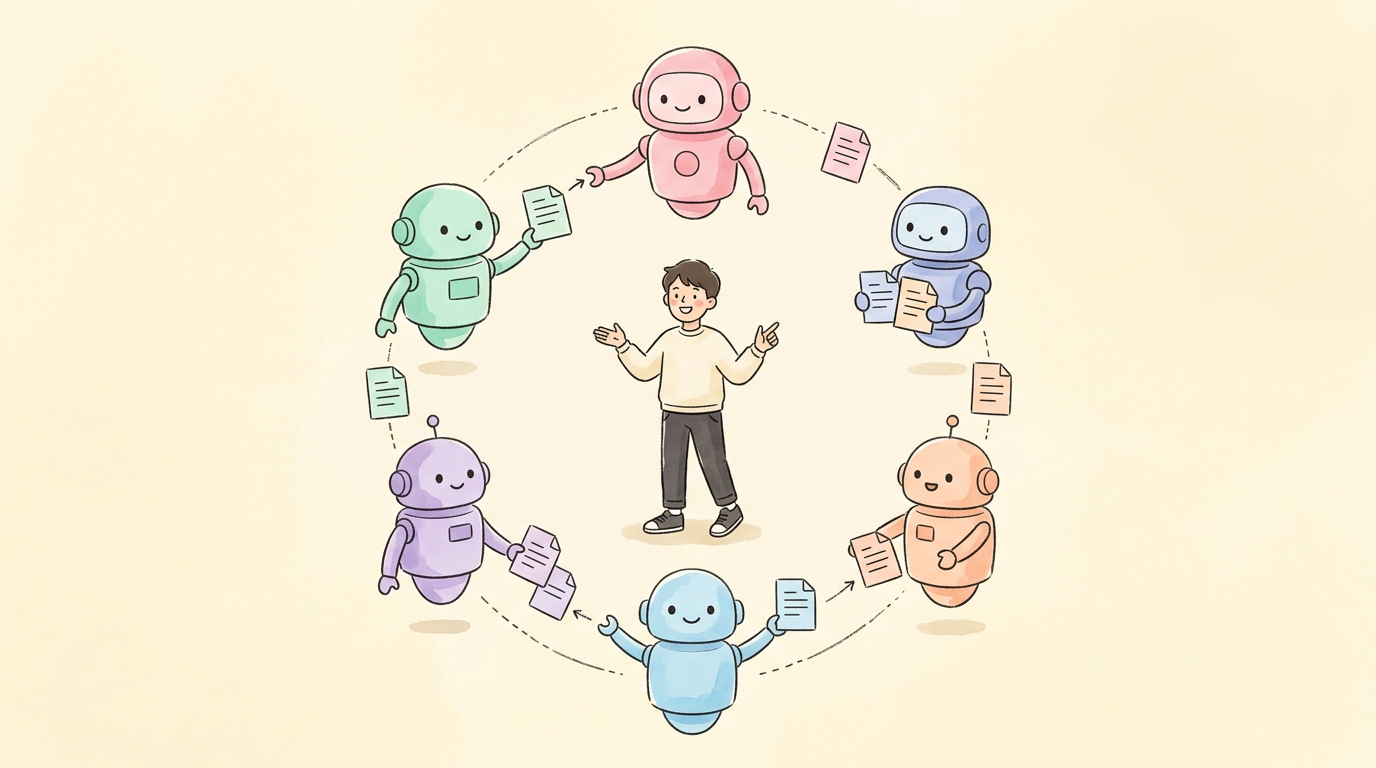
2.2 Solution: From "Going It Alone" to "Multi-Agent Collaboration Networks"

In its A2A Protocol (Agent-to-Agent Protocol) white paper, Google DeepMind proposed a standard framework for multi-agent collaboration:

  • Agent Card: Each agent publishes a description of its capabilities, which other agents can discover and invoke

  • Unified Communication Protocol: Agents from different vendors and models can communicate with one another

  • Task Decomposition and Aggregation: Complex tasks are broken down into subtasks, assigned to different specialized agents, and the results are ultimately aggregated

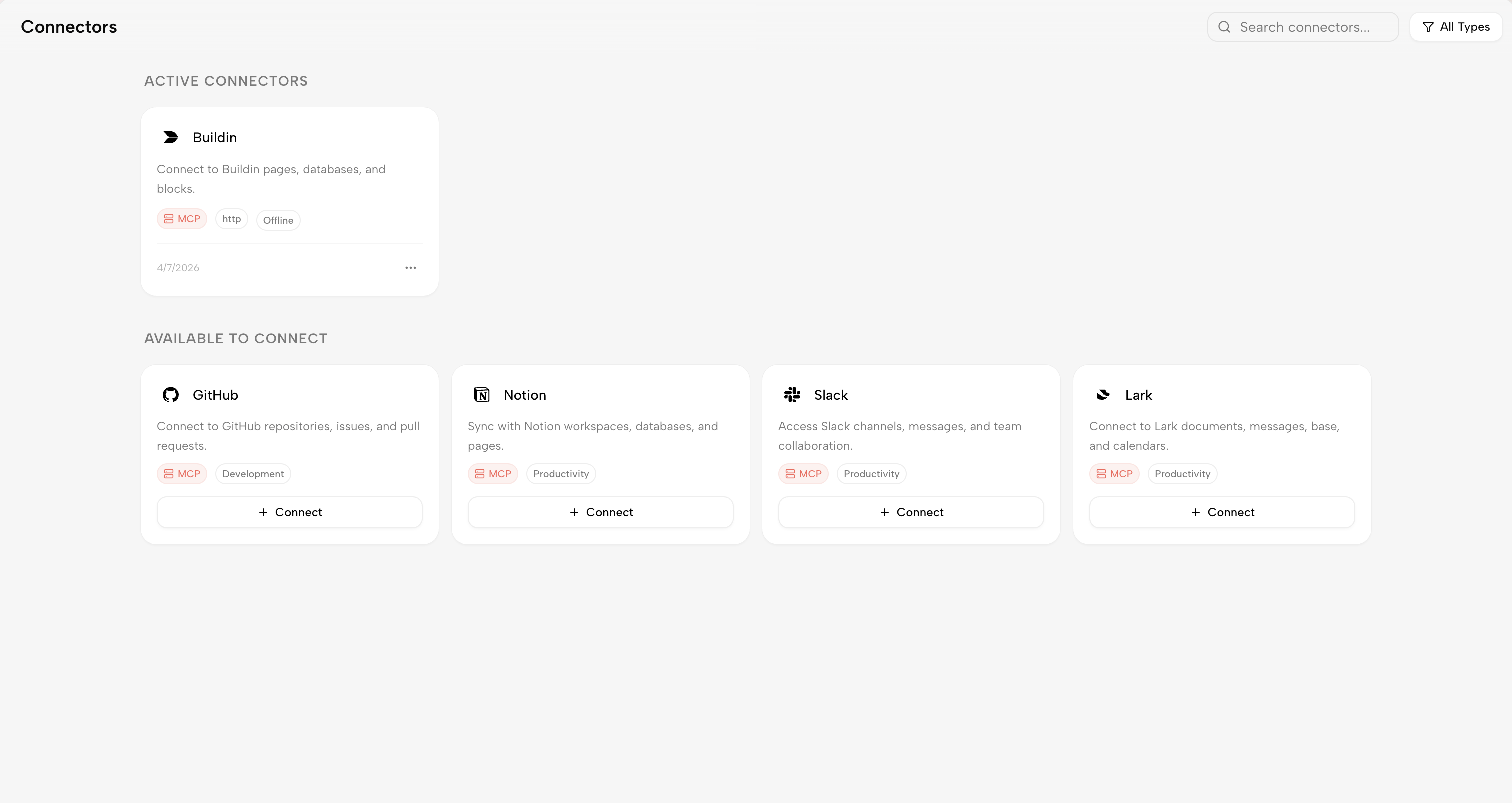
Meanwhile, the Model Context Protocol (MCP) has emerged as a de facto standard, widely adopted by major AI companies such as OpenAI, Anthropic, and Google, providing infrastructure-level support for multi-agent collaboration. In a report on a McKinsey survey, Forbes also noted that AI startups have absorbed over 50% of global venture capital investment, with the total reaching $116 billion in the first half of 2025—exceeding the total for the entire year of 2024.

多Agent协作网络示意
多Agent协作网络示意

III. How Kollab Transforms AI Agents from "Going It Alone" to "Co-Evolving"

Kollab is positioned to fill this gap in the AI agent collaboration layer.

3.1 Multi-Agent Task Orchestration

In Kollab, you can assign different roles to different AI agents:

Agent Role Responsibilities Collaboration Method
📋 Research Agent Information gathering, data analysis Pass conclusions to the Writing Agent
✍️ Writing Agent Content creation, copy optimization Receives research findings and produces a first draft
🎨 Design Agent Image selection, visual recommendations Match appropriate images to the article
🔍 Review Agent Quality checks and fact-checking Conducting multi-dimensional evaluations of the output
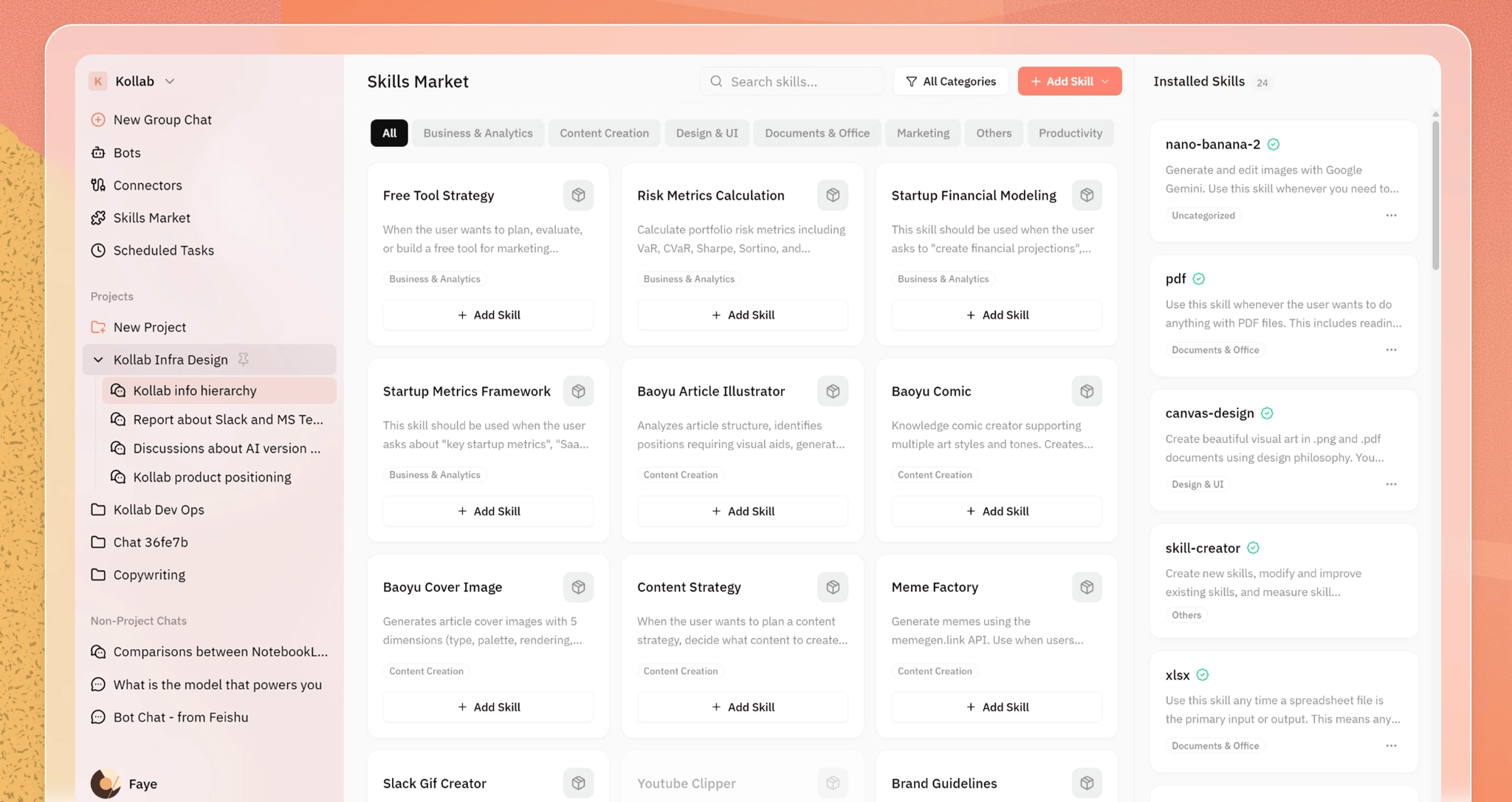
Kollab Skills技能配置界面
Kollab Skills技能配置界面

3.2 Real-Time Collaboration and Feedback Loop

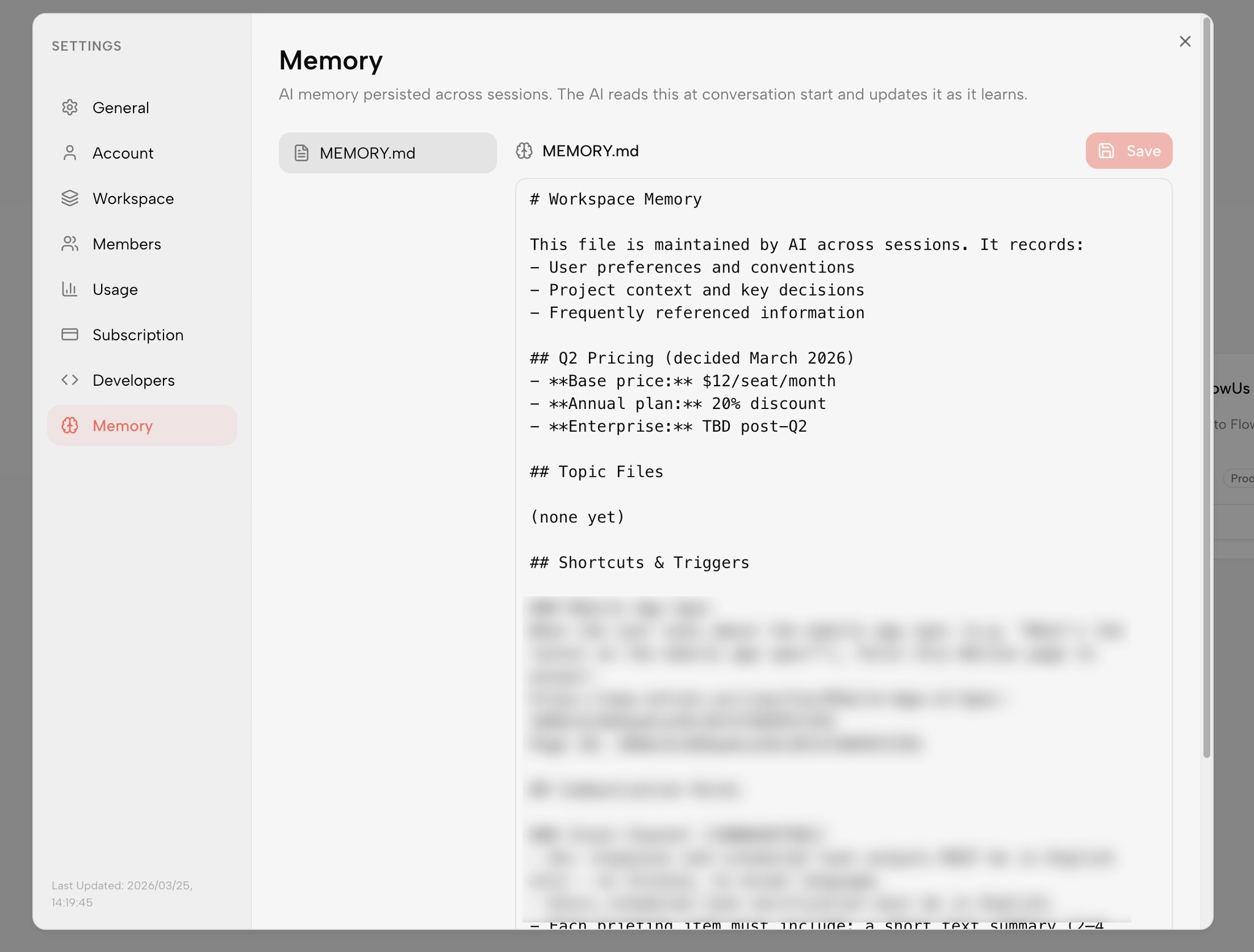
Kollab supports embedding human feedback nodes into the AI Agent’s workflow— at any time, you can modify, comment on, or reject the AI’s output and start over, rather than waiting until the end to see the results. This addresses the biggest pain point in implementing AI Agents: “The AI has finished, but this isn’t what I wanted.”

Kollab实时协作反馈界面
Kollab实时协作反馈界面

3.3 Unified Management of Cross-Model Agents

Whether you’re using GPT-5.5, Claude 4, Gemini 2.0, or locally deployed open-source models, Kollab provides a unified Agent management interface. You don’t need to switch between different tools to coordinate AI Agents from various providers working together.

This means: In the future, you won’t be directing AI alone—instead, a group of AI agents will collaborate around your objectives, while you stand among them to make the final judgments and decisions.

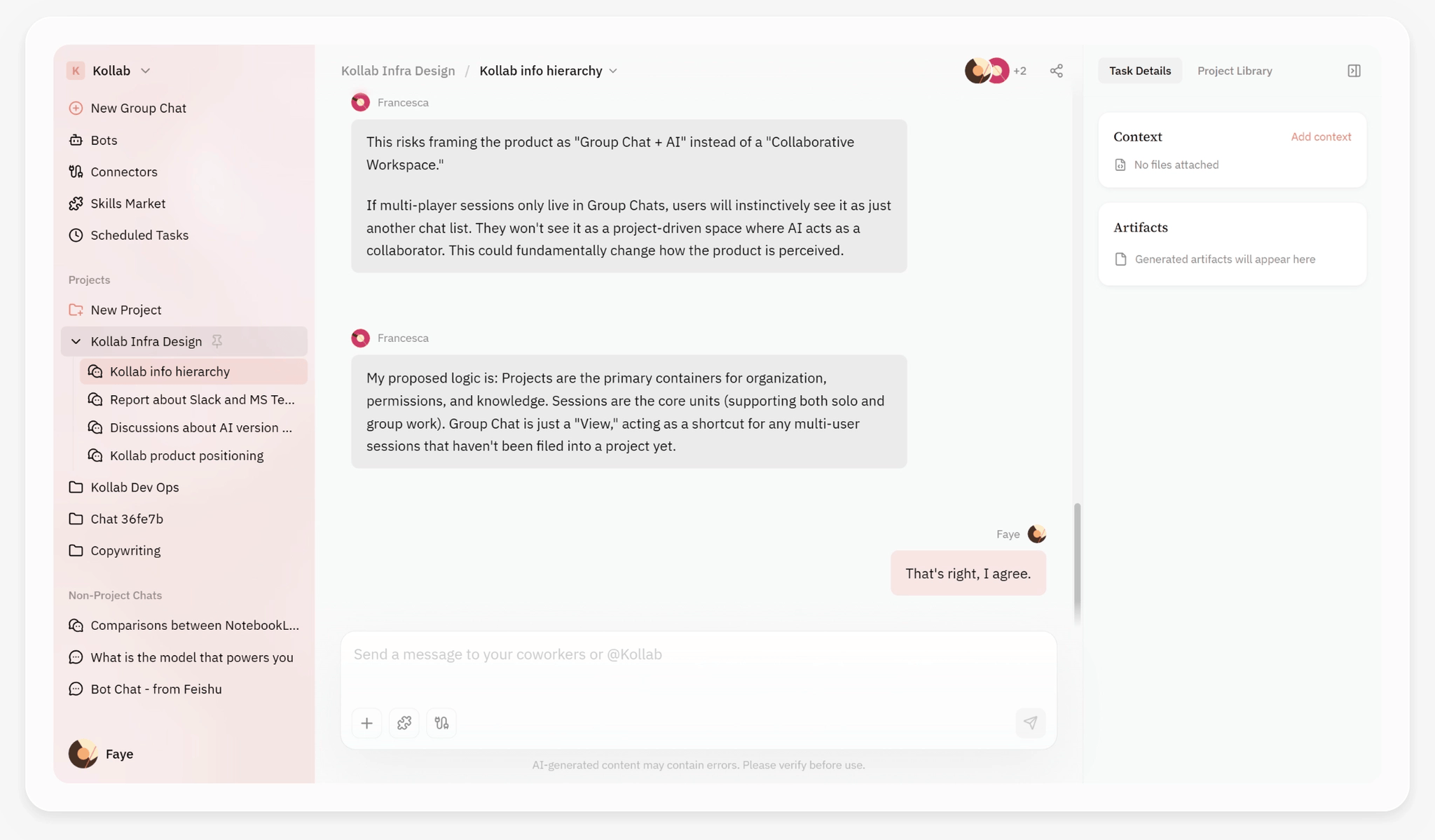
AI Agent编排工作台
AI Agent编排工作台

Conclusion: In the Age of AI Agents, You Need More Than Just More Powerful AI

The release of GPT-5.5 confirms a trend: while the upper limits of AI capabilities are rapidly rising, collaboration between AI systems and between AI and humans remains a core challenge that has yet to be fully resolved.

According to McKinsey data, 84% of leaders plan to expand their shared service centers within the next 1–2 years, but over 40% of organizations have not yet begun to systematically adopt the necessary technologies. This significant gap between technological capabilities and organizational readiness is precisely the void Kollab aims to fill.

As AI agents evolve from tools into employees and from executors into collaborators, Kollab is emerging as the "invisible commander" behind this AI team —not to replace AI, but to make collaboration between AI systems and between AI and humans more efficient, transparent, and controllable.

💡 One-line summary: GPT-5.5 enables AI to "work independently" for the first time, while Kollab enables multiple AI Agents to "work together."


Reference Source:

Related Articles