Cómo crear un Second Brain que realmente ejecuta: de Notion a Kollab
Aprende a convertir notas de Notion en un Second Brain ejecutable con Kollab, Memory, Skills y Connector Bots.
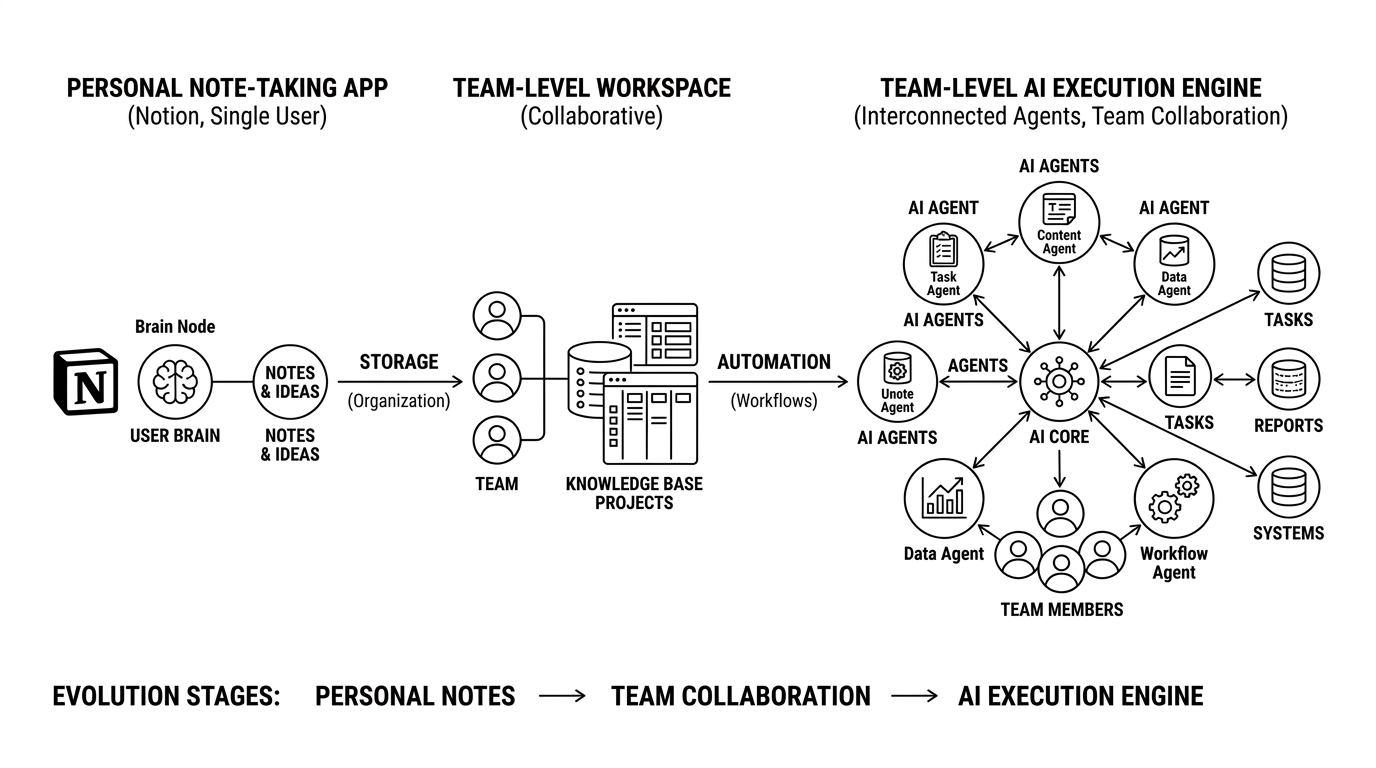
Durante años, el mundo de la productividad ha estado obsesionado con el concepto deSecond Brain.Popularizado porTiago Forte, la idea era revolucionaria: construir un sistema digital para capturar, organizar, destilar y expresar tus ideas. Herramientas comoNotion, Obsidiana, yEvernotese convirtieron en las catedrales de este movimiento.
Pero a medida que navegamos en 2026, nos estamos encontrando con un muro estructural. La evolución de AI ha pasado de un simple chatBots a Agents autónomo, e incluso a sistemas comoGarraAbiertaque puede completar tareas de manera independiente controlando navegadores y cadenas de herramientas. Sin embargo, incluso a medida que crecen las capacidades a nivel de tareas individuales, sigue existiendo una gran brecha en cómo realmente trabajamos en equipo.
El problema con el Second Brain tradicional es que es uninstalación de almacenamiento, no unmotor de ejecución. Para realizar un trabajo real, todavía tienes que cerrar manualmente la brecha entre tus notas y tus entregables finales, cambiando entre cinco aplicaciones diferentes AI, tres pestañas del navegador y una hoja de cálculo.
La próxima evolución de la productividad no se trata solo de "Saber"; se trata deFlujo de ejecución.Es hora de pasar de un Second Brain que recuerda a unNivel de equipo AI Workspaceque automatiza el movimiento del trabajo.
1. El cambio de paradigma: De AI a nivel de tarea a AI a nivel de equipo
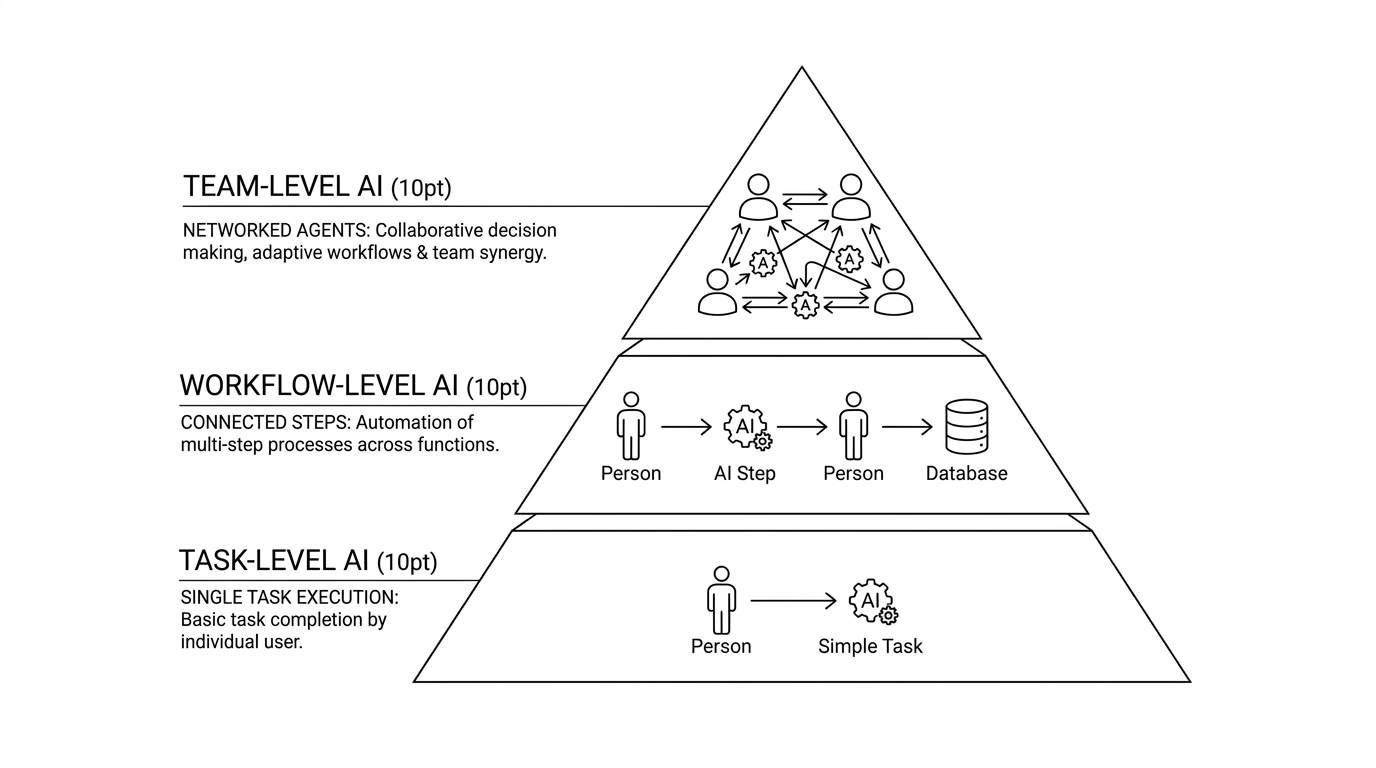
La mayoría de las herramientas AI en el mercado hoy en día resuelven paraeficiencia individual. Te ayudan a escribir un correo electrónico más rápido o a generar una imagen. Esto esNivel de tarea AI.
Algunos han evolucionado enAI a nivel de flujo de trabajo, conectando algunos pasos juntos. Pero en escenarios profesionales del mundo real, esto no es suficiente. Cuando se termina una tarea, no se activa automáticamente el siguiente paso. Si un proceso requiere lógica entre herramientas o intervención humana, el flujo se rompe.
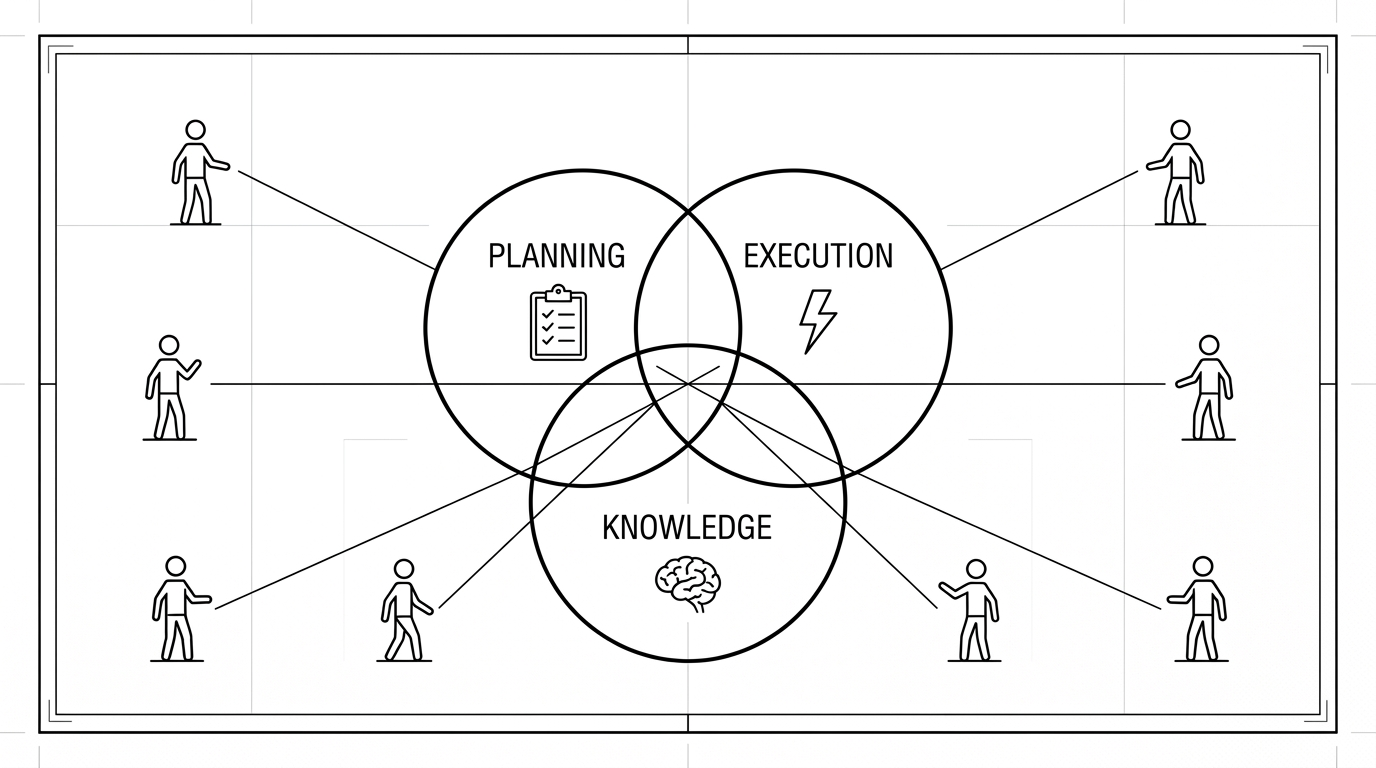
Kollabrepresenta un cambio fundamental. No solo resuelve la eficiencia; resuelve parafragmentación de la colaboración. Se dirige aNivel de equipo AI. En lugar de simplemente ayudarte a "realizar una tarea", ayuda a un equipo a "mantener el trabajo en movimiento". Crea un sistema donde el flujo de colaboración, el flujo de conocimiento y el flujo de ejecución están unificados en un solo organismo operado conjuntamente por humanos y AI Agents.
Lo que está en juego aquí es real. AInforme del McKinsey Global Institute sobre AI generativose descubrió que los trabajadores del conocimiento pasan cerca del 28% de su jornada laboral gestionando correos electrónicos y buscando información, tiempo que una capa AI debidamente orquestada podría recuperar por completo. La cuestión ya no es si AI puede ayudar; es si su sistema está diseñado para capturar ese valor a nivel de equipo.
2. Los Cuatro Pilares de un AI Workspace en Ejecución
Para convertir un Second Brain estático en un motor de ejecución activo, Kollab se construye sobre cuatro capas arquitectónicas distintas:
I. El AI-Nativo Compartido Workspace
Mientras que Notion es un espacio centrado en documentos,Kollabes unAI-nativo Workspace.
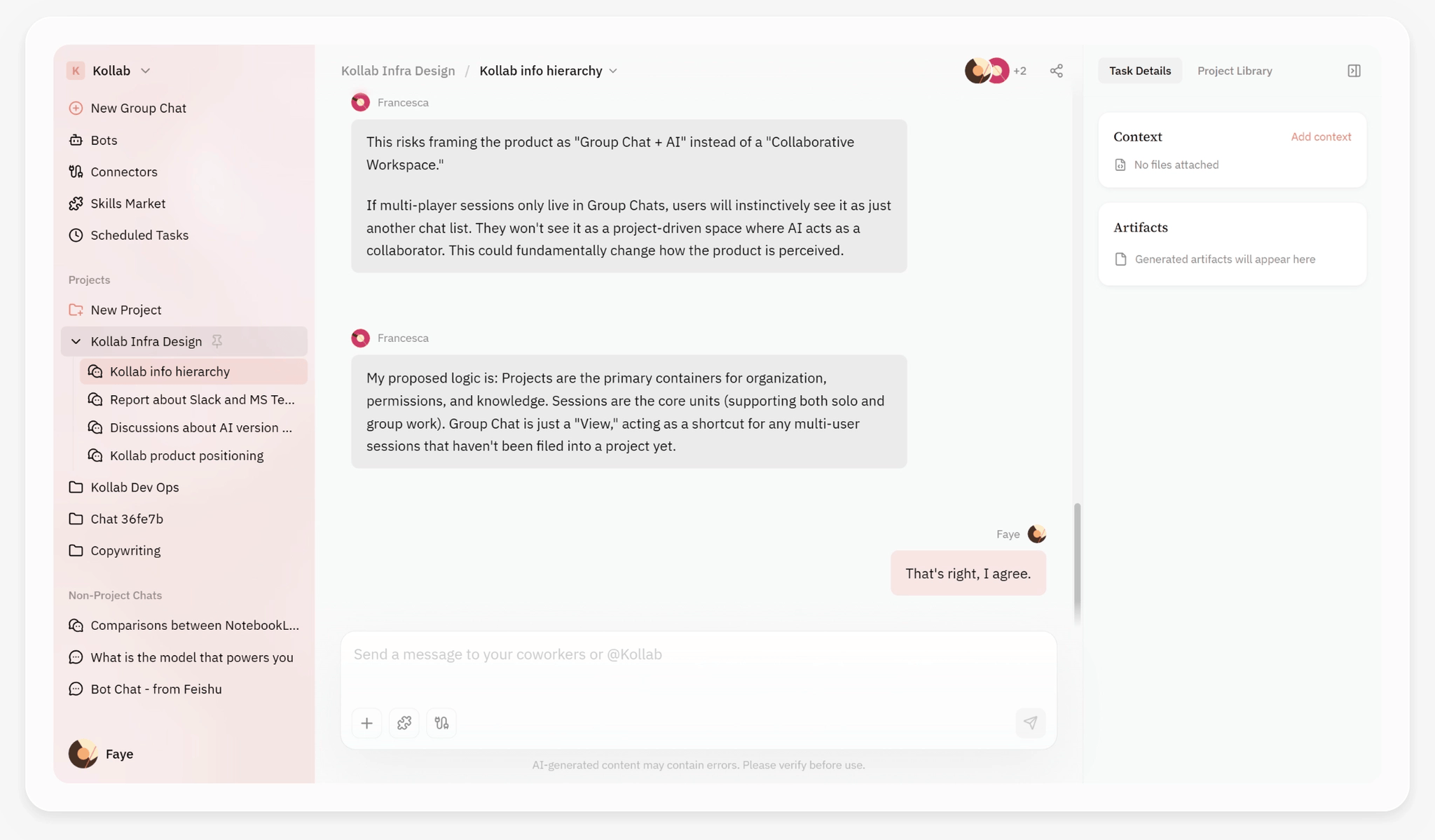
Centrado en proyectos:El "Proyecto" es la unidad central. Discusiones, documentos, enlaces de código, borradores de diseño y comportamientos Agent se concentran todos en el mismo contexto.
Salidas unificadas:A diferencia de las aplicaciones de chat donde los resultados se pierden en un historial desplazable, Kollab coloca los resultados de ejecución de AI justo al lado de tus tareas. Puedes ver el progreso a la derecha y los artefactos en el centro.
Esta elección arquitectónica importa más de lo que parece.Investigación publicada en Harvard Business Reviewha demostrado consistentemente que el cambio de contexto es uno de los principales asesinos de la productividad en el trabajo moderno. Cuando tu planificación, ejecución e interacciones AI existen en tres sistemas diferentes, no solo estás perdiendo tiempo, sino que también estás perdiendo el tejido conectivo entre ideas y resultados.
II. Connector Bots: Incrustando AI Donde Trabajas
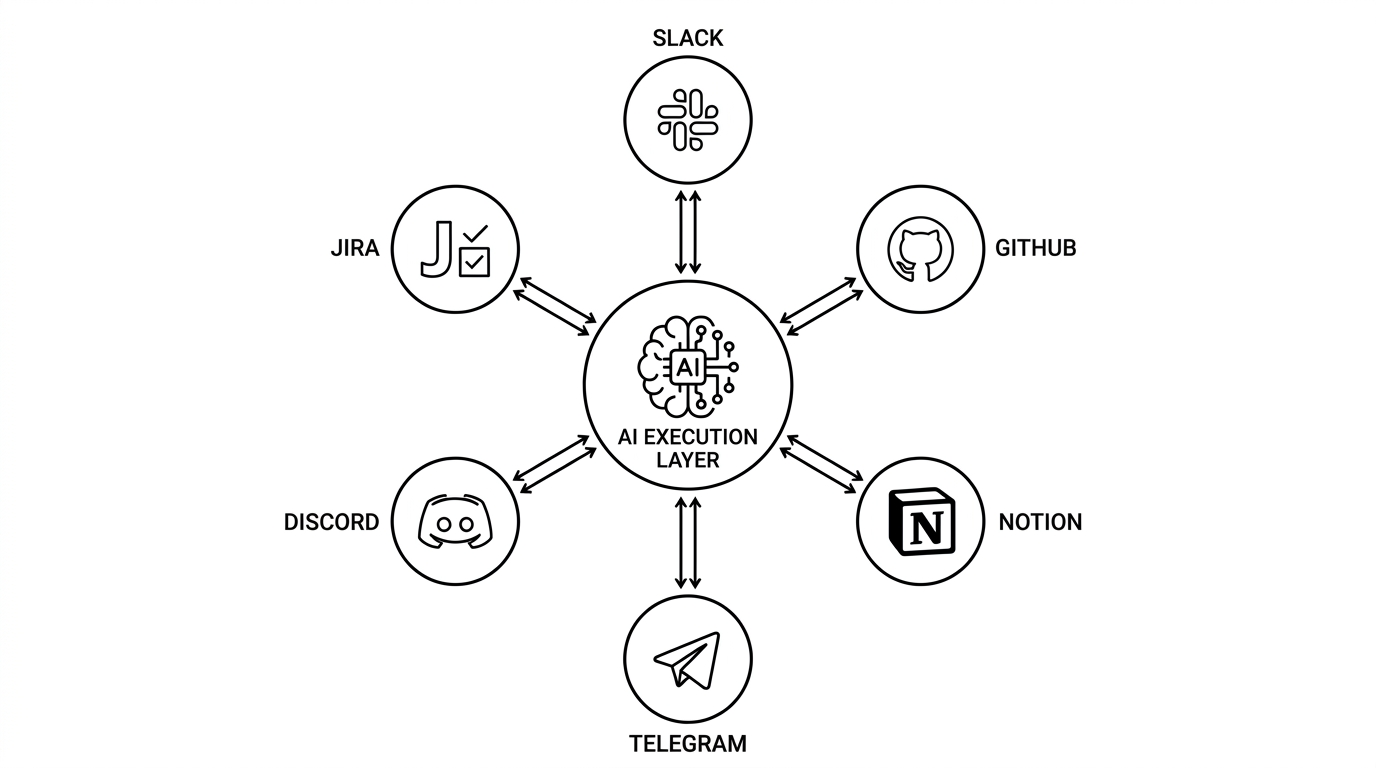
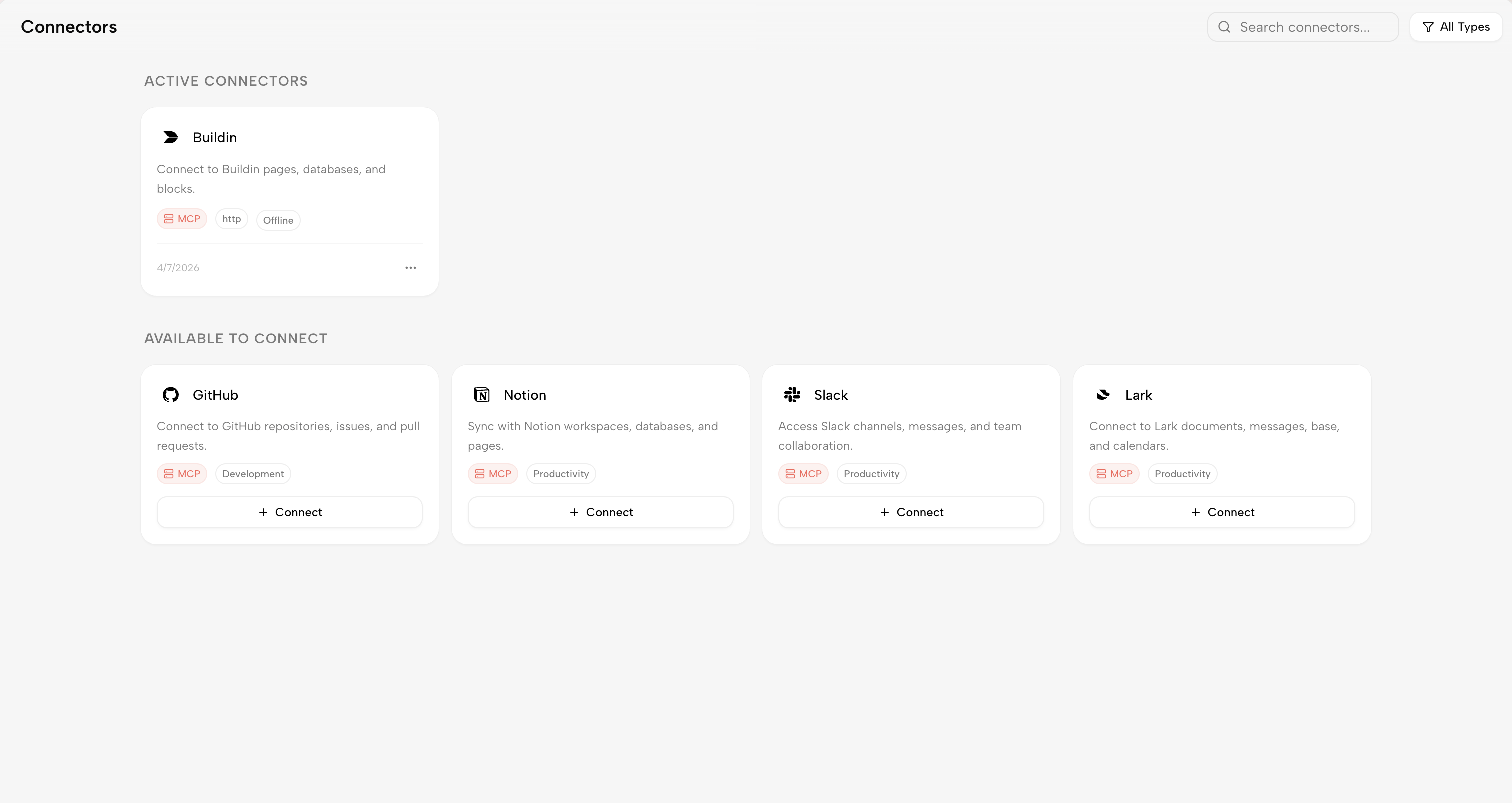
Un punto de fricción importante en la productividad es la "migración de herramientas." Las organizaciones no abandonaránSlack, Notion, oGitHubsolo para una nueva herramienta AI. La estrategia de Kollab esincorporando, no reemplazando.
A través deConnector Bots, puedes @Kollab enSlack, Telegram, oDiscordtal como lo harías @ a un colega. Esto activa tareas entre sistemas sin salir de tu interfaz de comunicación existente. Construye uncapa de ejecuciónencima de tu cadena de herramientas actual.
Esta filosofía refleja el manual de estrategias más exitoso en el software empresarial: encontrar a los usuarios donde ya están. Slack en sí mismo creció hasta tener más de 10 millones de usuarios activos diarios al integrarse en los flujos de trabajo existentes en lugar de exigir una migración total. Kollab aplica esta misma lógica a la ejecución de AI.
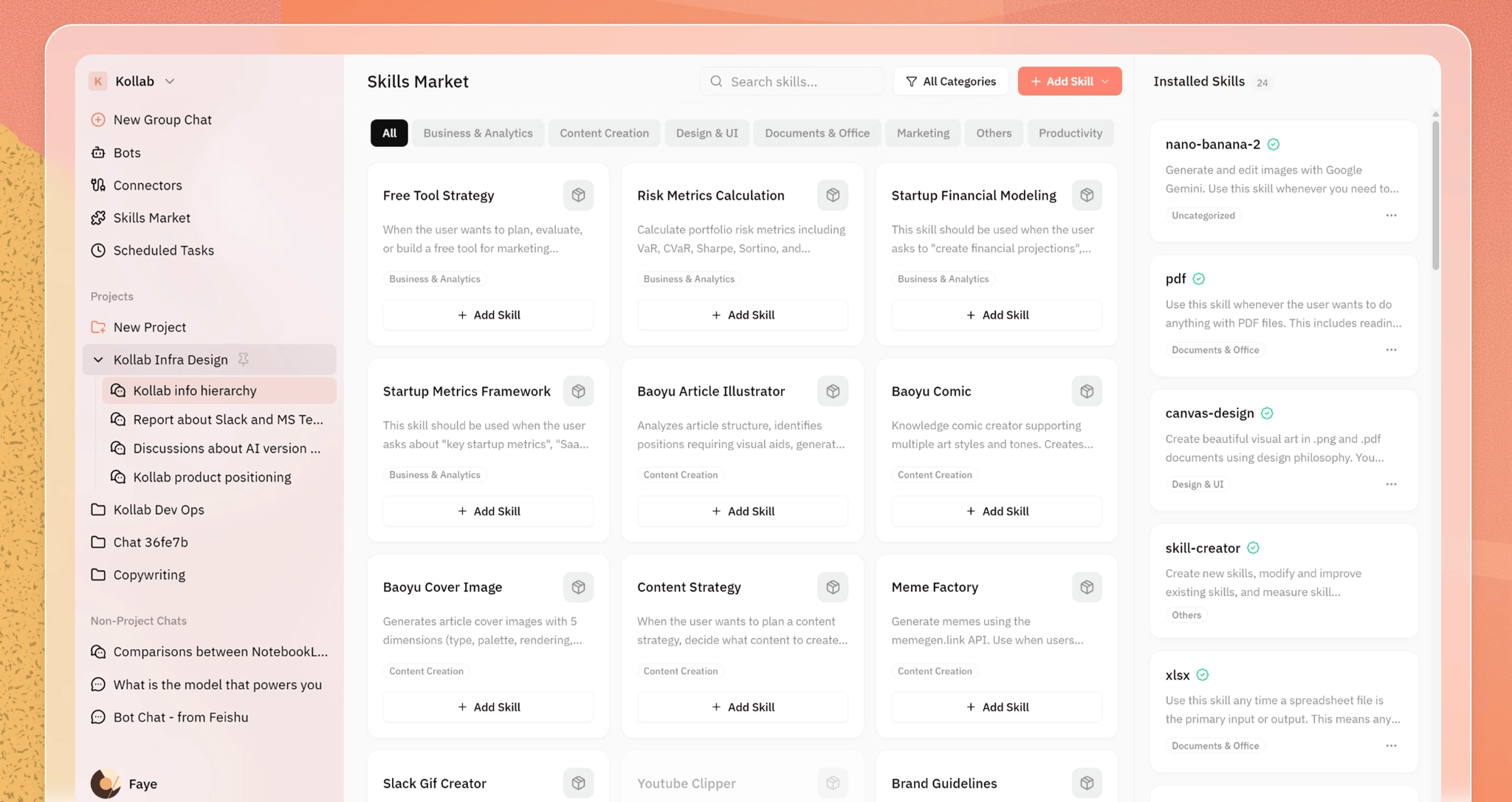
III. Skills: Convertir la experiencia personal en interés compuesto organizacional
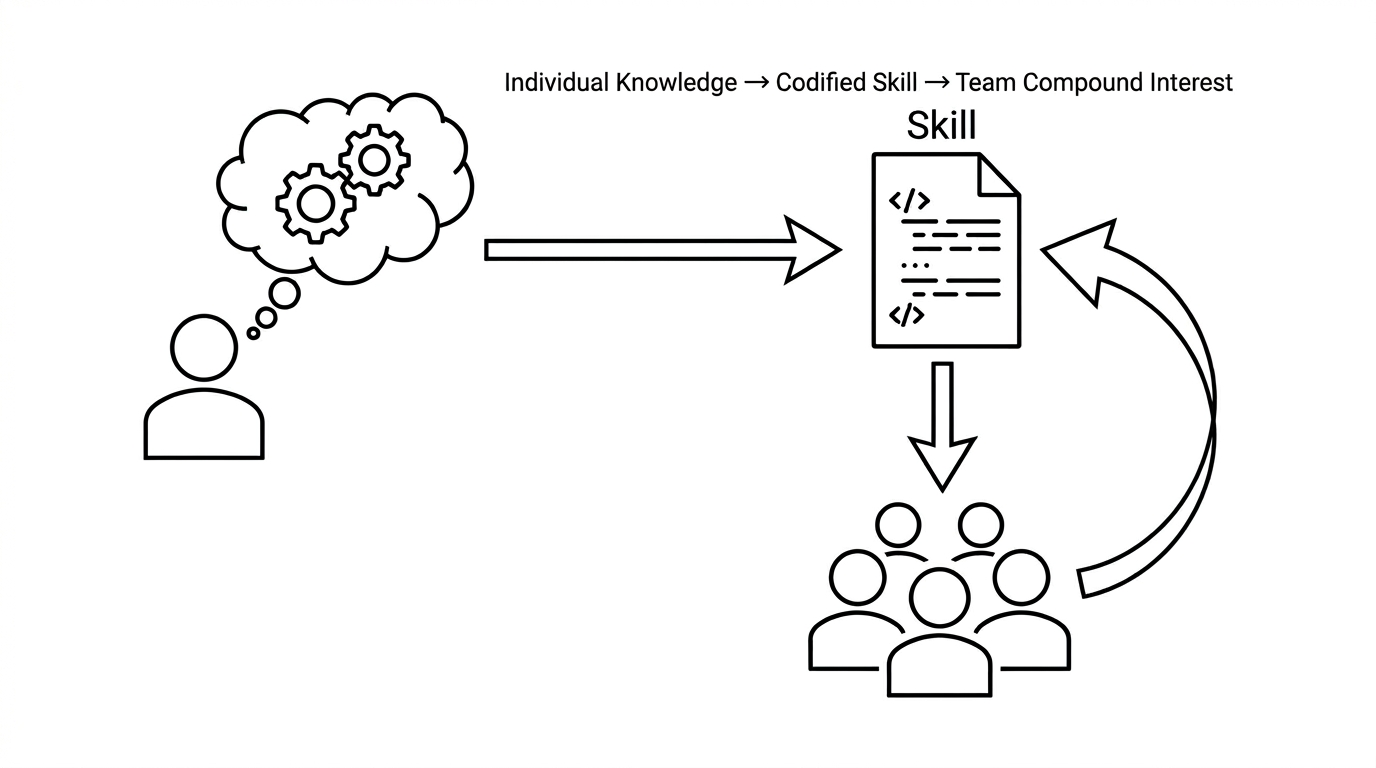
Esta es la parte más crítica del "Cerebro del Equipo." En un sistema tradicional, las mejores prácticas se mantienen en la cabeza de un "empleado estrella." En Kollab, estas se codifican enSkills.
Automatización vs. Activo:Un Skill podría ser "Obtener actualizaciones de"Jira, extraer commits clave deGitHub, captura problemas de alta frecuencia de los canales de retroalimentación y genera automáticamente un resumen de la versión.
Apalancamiento organizacional:Cuando una persona optimiza un Skill, todo el equipo se beneficia. Ya no solo estás automatizando; estás construyendointerés compuesto organizacional.
Investigación sobre aprendizaje organizacional de MIT Sloan Management Reviewmuestra que los equipos con flujos de trabajo de conocimiento codificados superan consistentemente a aquellos que dependen de la experiencia individual, especialmente durante períodos de rápido crecimiento o alta rotación de empleados. Un Skill bien diseñado no le ahorra una hora a una persona; cambia la forma en que todo un equipo opera en cada ciclo.
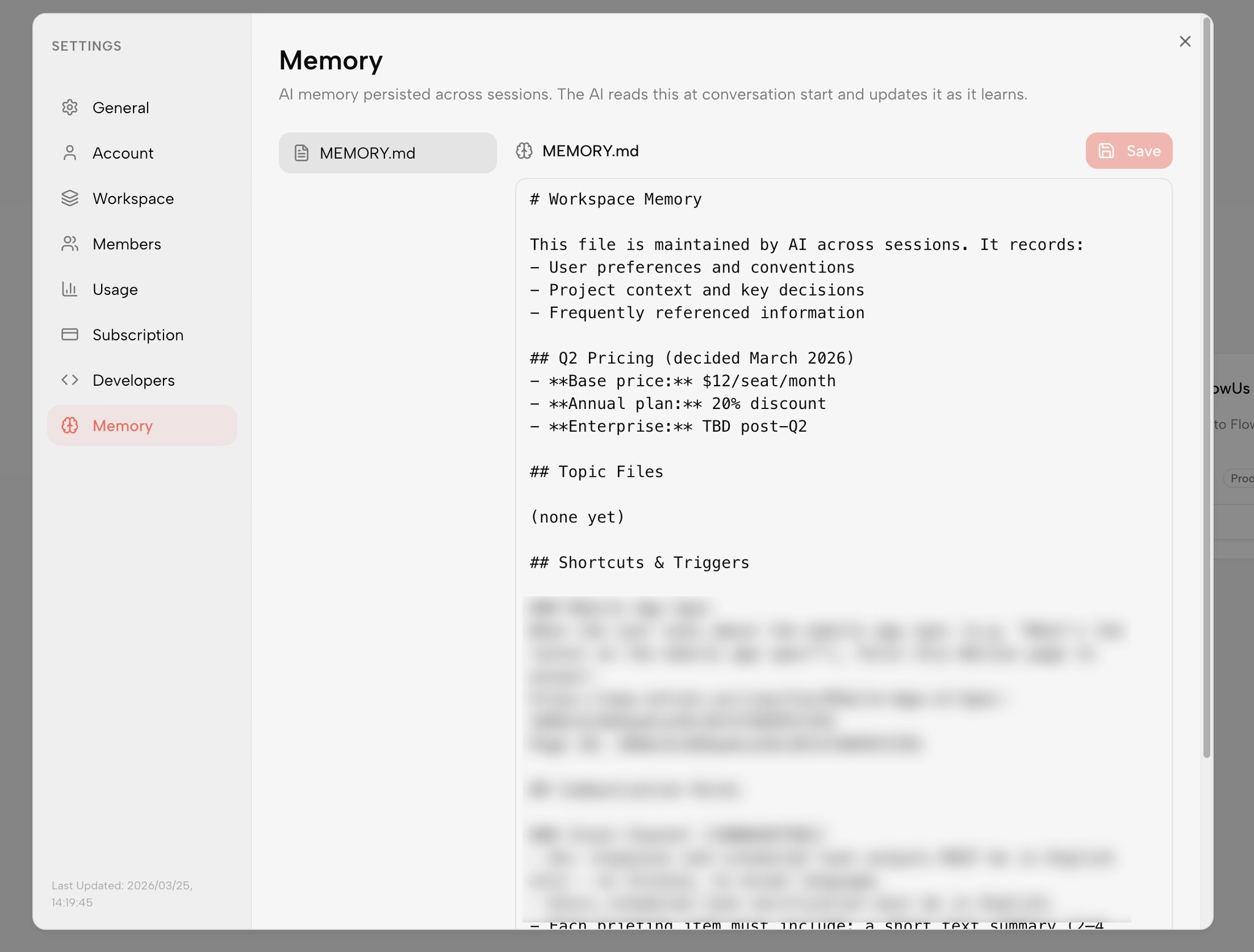
IV. Memory: El Alma Digital del Equipo
Kollab'ssistema Memoryva más allá de recordar "lo que acabas de preguntar." Intenta aprender:
Cómo el equipo juzga los problemas.
Cómo se describen las prioridades.
Los estándares implícitos y las estructuras preferidas de la organización.
A medida que pasa el tiempo, el sistema acumulaexperiencia organizacionalen lugar de solo el historial de chat. Esto hace que el "costo de cambio" para un equipo sea mucho mayor, no por el bloqueo de datos, sino porque estarías perdiendo un Memory digital que se ha convertido en la propia esencia de tu equipo.
Esto refleja lo que los psicólogos organizacionales llamansistemas transaccionales Memory—el marco cognitivo colectivo que los equipos de alto rendimiento desarrollan con el tiempo. Los equipos efectivos no solo saben cosas; saben quién sabe qué y cómo dirigir los problemas a los responsables de las decisiones correctas. La capa Memory de Kollab hace que esta dirección sea automática y escalable.
3. La Nueva Realidad: AI Ahora Puede "Entregar"
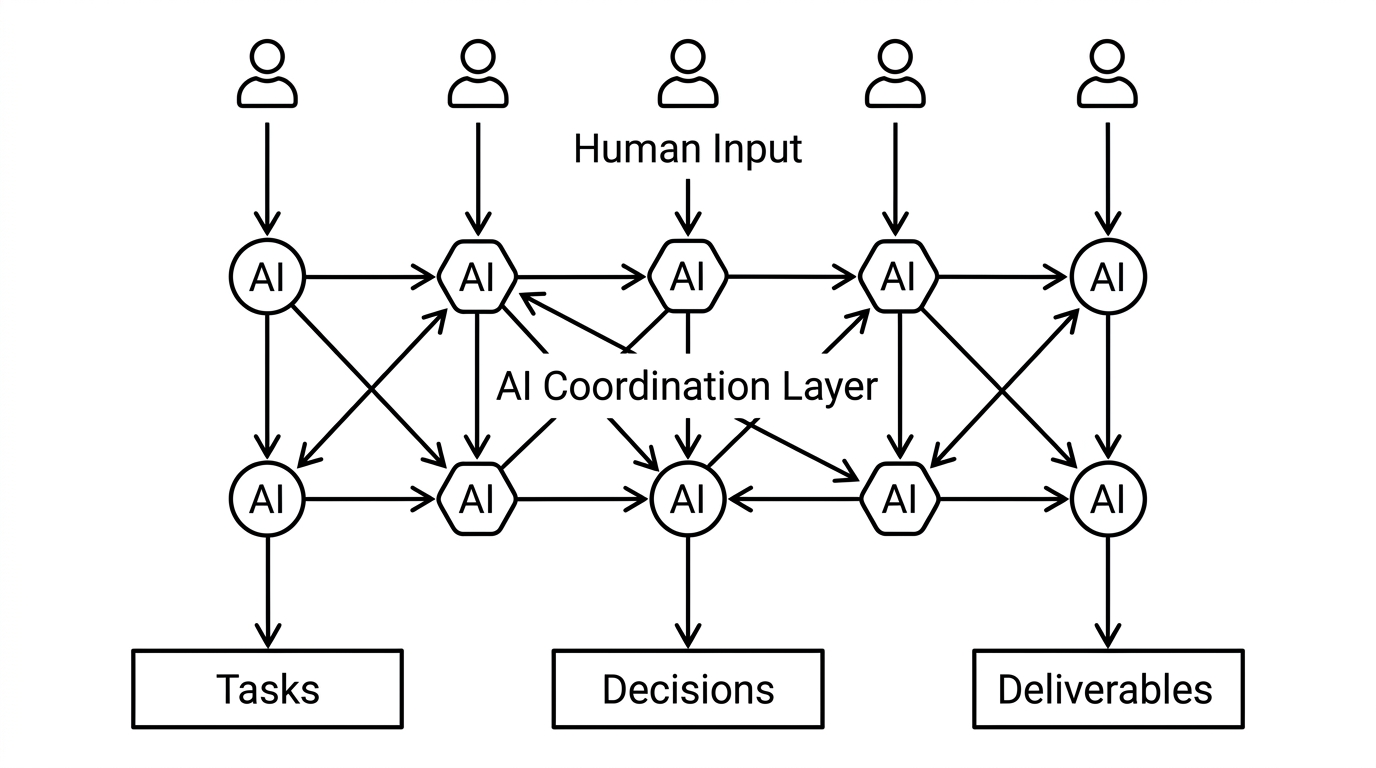
Hemos llegado a un punto de inflexión donde AI ha evolucionado de "saber cómo responder" asaber cómo entregar.Cuando AI entra en el flujo de trabajo real, el concepto de unEmpresa de unoo equipos pequeños altamente apalancados se convierte en una realidad.
EnKollab'sequipo interno propio, la transición ya está completa. Desde producto e I+D hasta diseño y pruebas, todo el ciclo de vida—gestión de requisitos, análisis de errores, monitoreo de registros de errores y operaciones de contenido—se maneja a través de Kollab Bots. El modo de operación de la empresa ha sido completamente subvertido.
Considera lo que esto significa en la práctica: un equipo de cinco personas ahora puede gestionar la complejidad de ejecución de un equipo de veinte y cinco, no trabajando más duro, sino haciendo que AI Agents se encargue de la capa de coordinación. ElInforme del Índice 2024 AI de Stanford HAIse descubrió que los flujos de trabajo integrados AI generan ganancias de productividad exponenciales en lugar de lineales, con los mayores beneficios acumulándose en los equipos que tienen bucles de retroalimentación estrechos entre el juicio humano y la ejecución automatizada.
4. Por qué esto importa para el mercado global
Los creadores detrás de Kollab, que anteriormente fundaron la herramienta de colaboraciónFlowUs, aprendió una lección vital: ir global desde temprano. Con una base de cientos de miles de usuarios de emprendimientos exitosos anteriores, Kollab está construido desde el primer día para el escenario global. Está diseñado para el hacker independiente, el fundador de startups y la agencia remota que necesita más que solo un "motor de búsqueda más inteligente."
Si los primeros AI trataban sobre el apalancamiento individual, la era actual trata sobresincronización del equipo.
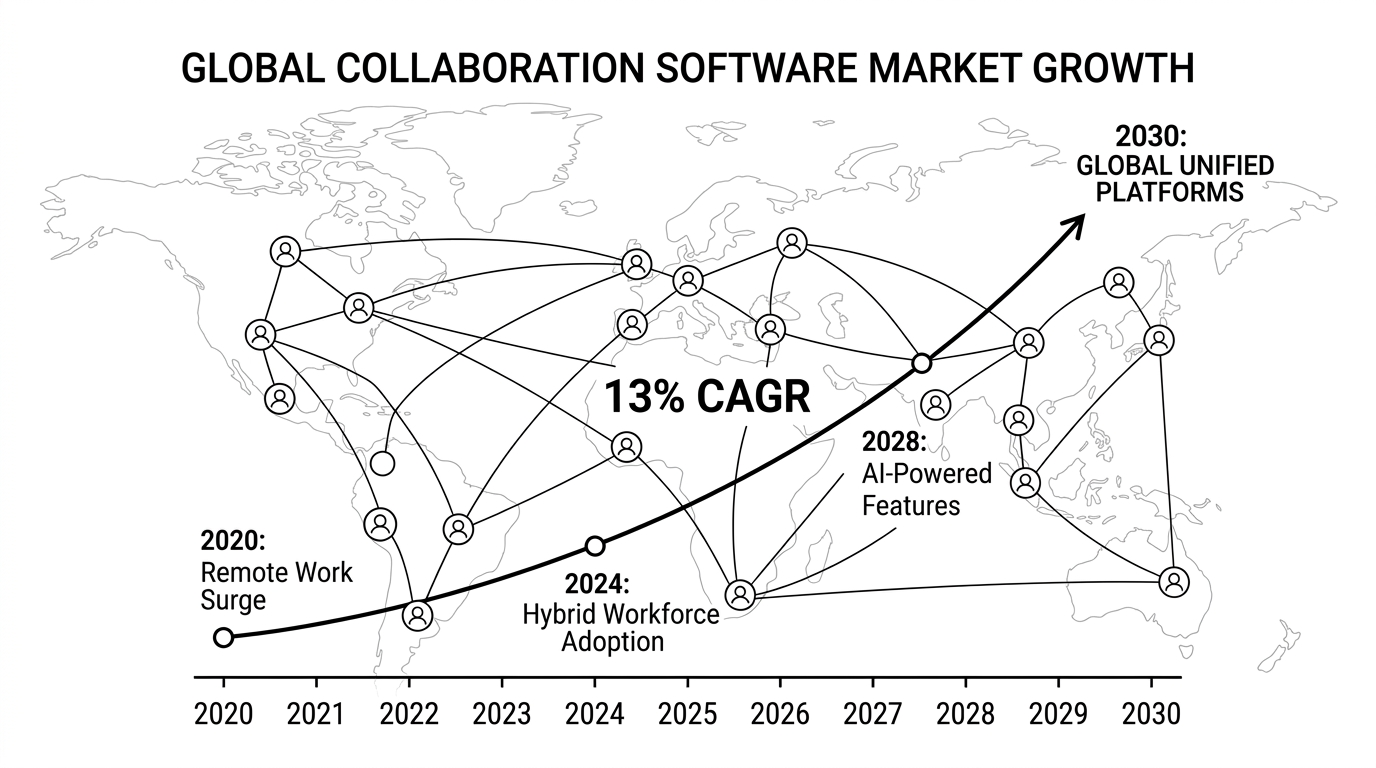
El contexto del mercado global hace que esto sea urgente.Según Grand View Research, el mercado de software de colaboración fue valorado en más de 14.000 millones de dólares en 2023 y se prevé que crezca a un ritmo anual compuesto superior al 13% hasta 2030. Pero la verdadera disrupción no está en el tamaño de este mercado, sino en la redefinición de lo que significa siquiera "software de colaboración". El cambio del almacenamiento de documentos a la orquestación de ejecución es una transformación a nivel de categoría.
Para los equipos distribuidos, esto es particularmente urgente.Estado del Trabajo Remoto de Bufferidentifica de manera consistente la colaboración y la comunicación como los principales desafíos para los trabajadores remotos. Un AI Workspace que impulsa activamente el trabajo hacia adelante, en lugar de almacenarlo pasivamente, aborda el problema central que ninguna cantidad de videollamadas o documentos compartidos ha logrado resolver.
5. El costo oculto de la fragmentación: por qué tu pila actual te está fallando
Antes de que puedas apreciar lo que ofrece una ejecución unificada Workspace, vale la pena considerar lo que la fragmentación realmente te está costando en este momento.
El trabajador del conocimiento promedio utilizaentre 8 y 14 aplicaciones de software diferentes por día. Cada cambio de contexto conlleva un coste cognitivo. Cada traspaso entre herramientas es un punto donde la información se degrada, la responsabilidad se difumina y el impulso se pierde.
Aquí es lo que esto parece en la práctica:
La trampa de las reuniones: Se toma una decisión en una llamada. Alguien la escribe en un documento Notion. Se crea una tarea enLinealo Jira. Se publica una actualización en Slack. Tres semanas después, nadie sabe por qué se tomó la decisión original o si la tarea se completó correctamente. La decisión vive en cuatro sistemas y no se conserva completamente en ninguno de ellos.
El cuello de botella del empleado estrella: Tus mejores empleados saben cómo manejar tu cadena de herramientas. Tus nuevos contratados pasan meses aprendiéndola. Cuando un empleado estrella se va, ese conocimiento no se transfiere, porque nunca se codificó en ningún lugar.Investigación de Deloitteestima que las empresas pierden entre el 30% y el 70% de su conocimiento institucional cuando los empleados clave se van.
El Impuesto de Seguimiento: Los gerentes pasan una parte desproporcionada de su tiempo no liderando, sino haciendo seguimiento. "¿Esto se hizo?" "¿Cuál es el estado?" "¿Alguien puede actualizar el documento?" Esto es pura sobrecarga de coordinación, y escala mal.Investigación de Harvard Business Reviewse encontró que las demandas de colaboración sobre los empleados han aumentado en más del 50% en las últimas dos décadas, con poco aumento correspondiente en la calidad del rendimiento.
La arquitectura de Kollab apunta directamente a cada uno de estos modos de fallo. La capa Skills captura el conocimiento institucional. El sistema Memory preserva el contexto de decisión. Connector Bots mantiene el trabajo en movimiento a través de herramientas sin requerir transferencias manuales.
El resultado no es solo una mayor eficiencia. Es un tipo de equipo fundamentalmente diferente: uno que opera con Memory institucional, coordinación automatizada y apalancamiento compuesto.
6. Conclusión: Deja de organizar, empieza a ejecutar
Construir un Second Brain en Notion fue el movimiento correcto para la década de 2010. Pero en la era de los Agents autónomos y OpenClaw, necesitas un Workspace que no solo almacene tus notas, sino que impulse tus proyectos hasta completarlos.
La transición de una biblioteca a una fábrica no es solo una metáfora: es un rediseño estructural de cómo operan los equipos. Las bibliotecas son pasivas. Las fábricas son activas. Una biblioteca te da todo lo que necesitas; una fábrica usa lo que tienes para producir lo que necesitarás a continuación.
Los equipos que descubran esto primero no solo serán más eficientes. Estarán operando a un nivel de palanca fundamentalmente diferente al de sus competidores. En un mundo dondeAI Agents puede completar de manera autónoma tareas de múltiples pasos, el cuello de botella ya no es la inteligencia, sino la orquestación. Y la orquestación es exactamente lo que un AI Workspace a nivel de equipo está diseñado para proporcionar.
Muévete de una biblioteca a una fábrica.
Experimenta la beta pública Kollab aquíy transformar la inteligencia colectiva de tu equipo en un motor de ejecución autónomo.