Come scrivere una descrizione Kollab Skill che funziona davvero
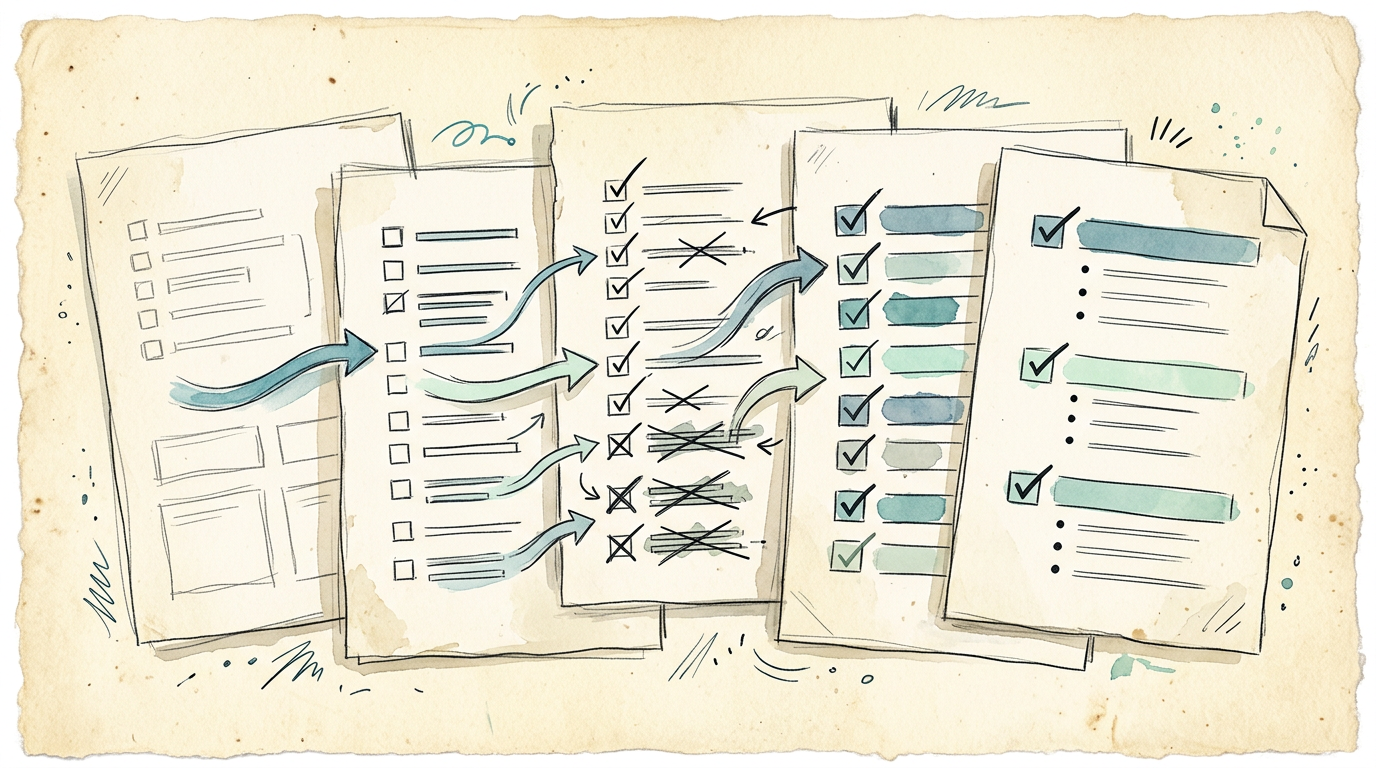
La differenza tra una Skill instabile e una affidabile non è l’AI, ma il modo in cui viene descritto il workflow. Usa questo framework a cinque livelli.
Il reclamo più comune sui flussi di lavoro AI è l'incoerenza. Il Skill ha funzionato bene martedì scorso. Questo martedì l'output è stato completamente diverso: stessi input, stesso AI, stesso tutto tranne il risultato.
Il AI non è cambiato. Neanche la descrizione.
Ma la prima corsa è stata fortunata. Il AI ha colmato le lacune nelle istruzioni con presupposti ragionevoli. La seconda corsa ha colmato quelle stesse lacune in modo diverso.
Questa è la causa principale del comportamento inaffidabile di Skill: istruzioni con spazio per l'interpretazione. La correzione è specifica, non tecnica.
Questo divario tra intenzione ed esecuzione è ciò che i ricercatori di AI chiamano sempre più aingegneria del contestoproblema: la qualità dell'output di un sistema AI è limitata dalla qualità del contesto che riceve, non dalla capacità del modello.
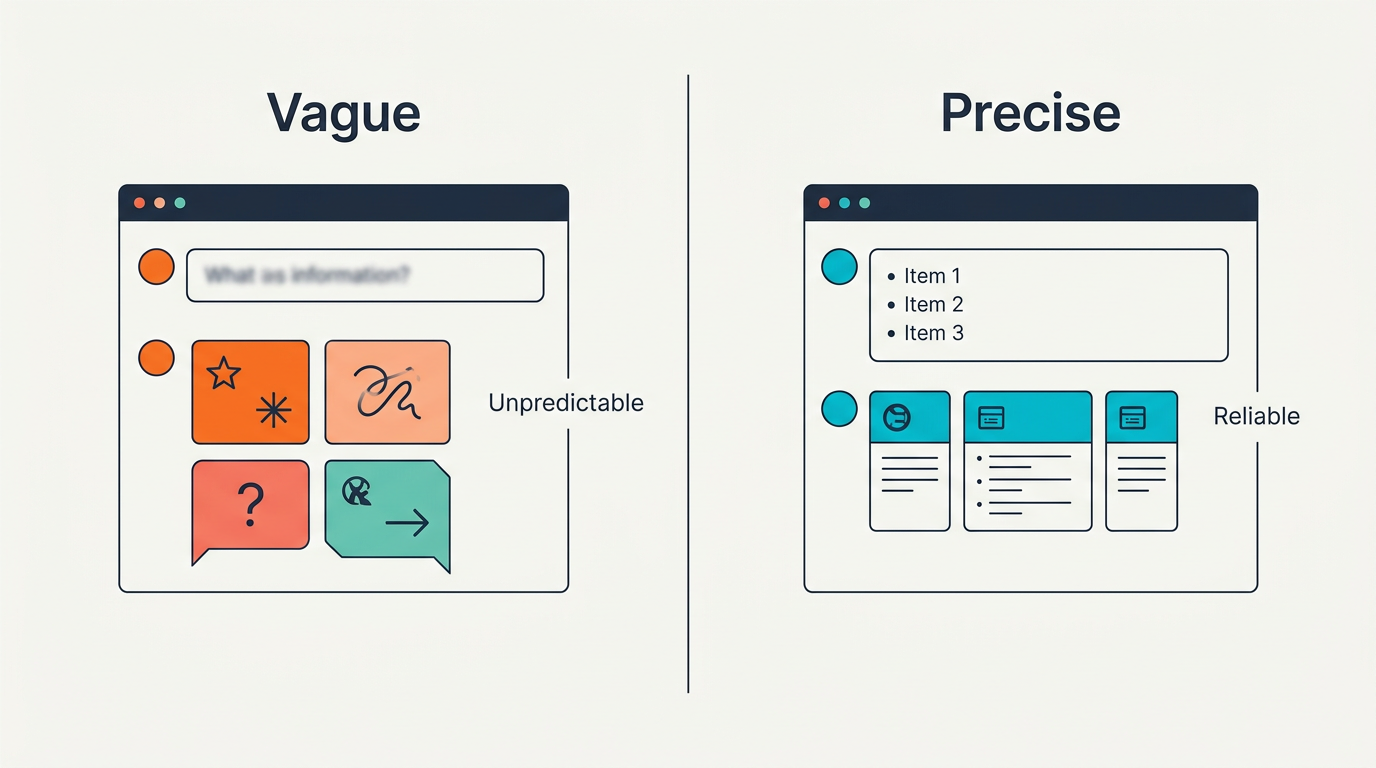
Perché la maggior parte delle descrizioni Skill falliscono
Prima della struttura, è utile riconoscere i tre modelli che rendono le descrizioni scomposte.
Modello 1: Intento mascherato da passaggi
"Estrai i ticket Jira di questa settimana, riepiloga ciascuno di essi, raggruppali per stato e scrivi un'intestazione per ciascun gruppo."
Questo sembra specifico. Non lo è. Descrive i meccanismi senza spiegarne lo scopo e quando AI incontra un caso ambiguo (un ticket parzialmente completato, un'epopea che abbraccia più sprint), non ha contesto per risolverlo correttamente.
Modello 2: pubblico implicito
"Scrivi un aggiornamento settimanale in tono professionale."
Professionista per chi? Un brief tecnico interno si legge in modo diverso da un rapporto sullo stato rivolto al cliente. Senza un pubblico nominato, AI ne sceglie uno e diverse tirature scelgono in modo diverso.
Modello 3: Nessun ancoraggio di uscita
"Produrre un riepilogo con i punti salienti."
Quanti take away? Che lunghezza? Dove va? Quando non c'è risposta, decide AI e diverse esecuzioni decidono in modo diverso.
La struttura a cinque strati
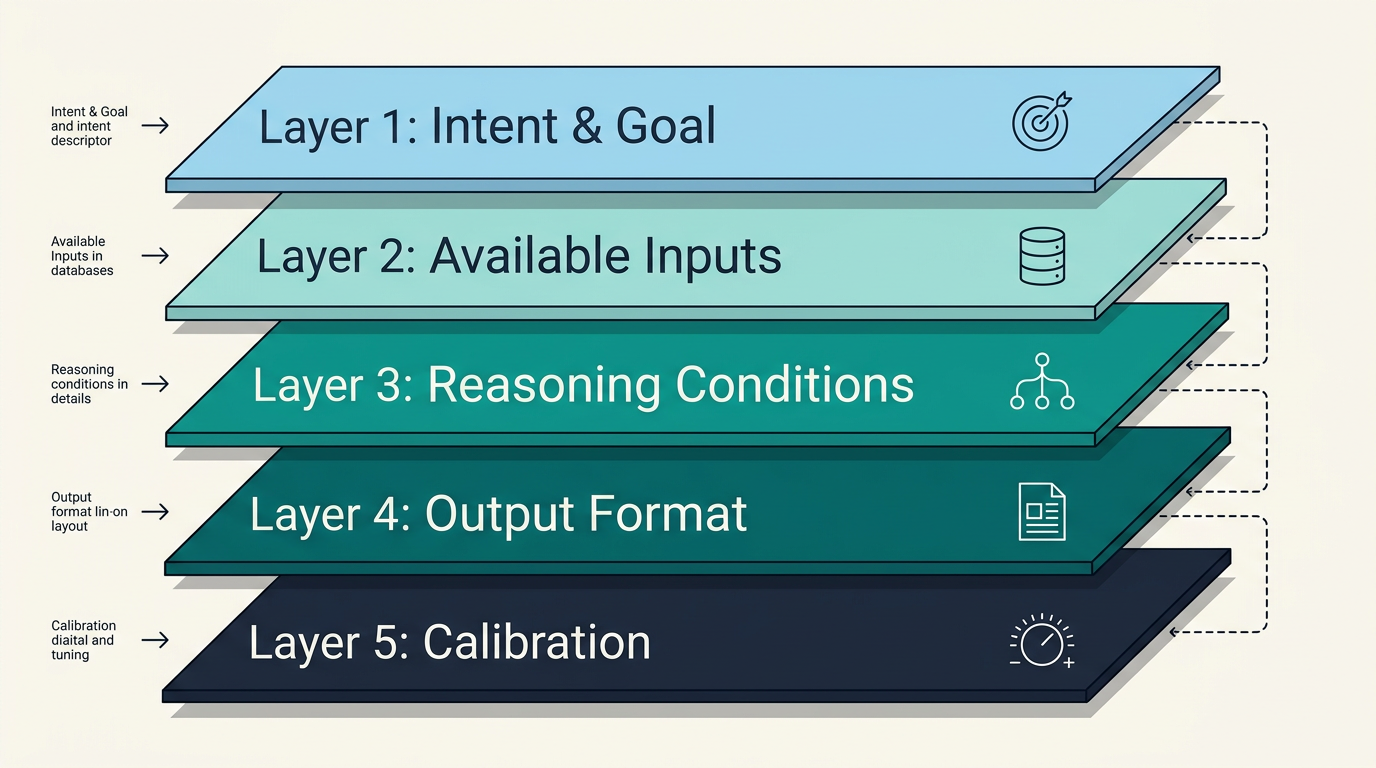
Una descrizione Skill affidabile ha cinque livelli. Ognuno chiude una categoria di ambiguità.
Layer 1: Intento
Dichiara ilscopodel flusso di lavoro, non dei passaggi. Una frase. Questa è la stella polare che AI usa quando incontra qualcosa che non avevi previsto.
❌ "Riassumi i ticket tecnici della settimana scorsa."
✅ "Fornisci al responsabile del prodotto del team di ingegneri un quadro chiaro di ciò che è stato spedito, di ciò che è ancora in corso e di ciò che blocca il team, in un formato che possa leggere in meno di due minuti."
La seconda versione fornisce a AI un contesto sufficiente per gestire casi imprevisti: ora sa chi è il lettore, quale decisione sta prendendo e quanto tempo ha.
Layer 2: Ingressi
Sii esplicito su quattro cose: quale fonte, quale spazio di lavoro o progetto, quale finestra temporale e cosa filtrare.
❌ "Estrai da Jira."
✅ "Estrai dalla bacheca Engineering Sprint in Jira. Includi i ticket aggiornati negli ultimi 7 giorni. Escludi i ticket etichettati 'arretrati' o 'non si risolverà'."
Se Skill si connette a più fonti, descrivile separatamente. Non dare per scontato che AI sappia qualeGitHubdeposito, cheNotionspazio di lavoro, o qualeSlackcanale, intendi.
Lo stesso requisito di precisione che rendeChiamata della funzione di OpenAIaffidabile si applica qui: ogni parametro ambiguo necessita di una descrizione sufficientemente specifica da eliminare congetture.
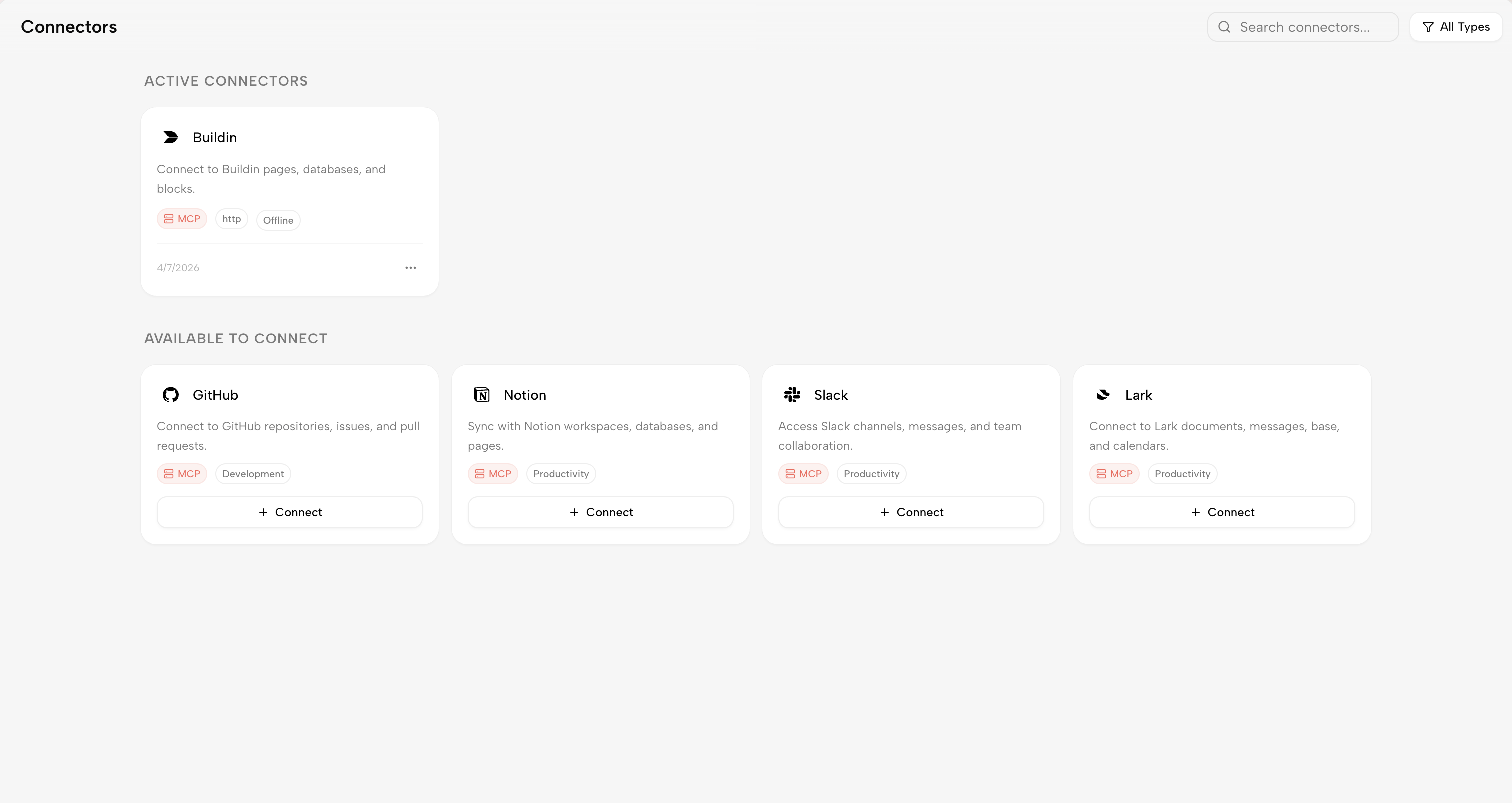
Il pannello Connectors di Kollab produce Layer 2 cemento. Prima di scrivere la descrizione dell'input del tuo Skill, apri il pannello e controlla quali connettori sono attivi: quell'elenco è il tuo inventario esplicito delle origini dati disponibili. Il Skill può attingere in modo affidabile solo da fonti che può effettivamente raggiungere.
Layer 3: Condizioni di motivazione
Questo è il livello che la maggior parte delle persone salta e quello più importante per i casi limite.
Le condizioni di ragionamento indicano al AI come gestire le situazioni che non sono pulite. I flussi di lavoro reali ne hanno costantemente: dati duplicati, campi mancanti, aggiornamenti di stato contrastanti, ticket senza assegnatari.
✅ "Se un ticket non ha un assegnatario, contrassegnalo come 'senza proprietario' invece di saltarlo. Se un ticket appare sia nello sprint corrente che in uno sprint futuro, trattalo come corrente. Se ci sono più di 10 elementi nella categoria 'bloccato', raggruppali per tipo di blocco invece di elencarli tutti individualmente."
Di solito sono sufficienti da tre a cinque condizioni. Non è necessario anticipare tutto: solo i casi che già conosci causano problemi.
Layer 4: formato di output
Definisci la struttura, la durata, la destinazione e il destinatario in un unico posto. La specificità qui guida direttamente la coerenza.
❌ "Formattalo in modo chiaro per la squadra."
✅ "Scrivi una pagina Notion con quattro sezioni: Spedito (elenco puntato, una riga per elemento), In corso (stesso formato), Bloccato (una riga per elemento, con il nome del blocco) e una valutazione complessiva di due frasi. Massimo 400 parole in totale. Pubblica sul canale #sprint-updates Slack con un collegamento alla pagina Notion completa."
Layer 5: Segnali di calibrazione
Questo livello è facoltativo ma potente. Se hai un esempio di output passato che era esattamente corretto o un riferimento che cattura il tono, includilo.
✅ "Il tono dovrebbe corrispondere al formato che abbiamo utilizzato nella sprint review del 14 marzo. Reale, senza riempitivi, senza 'Grandi notizie!' apri."
Anche un segnale negativo aiuta:"Evita di raccomandare soluzioni o passi successivi: questo riepilogo è solo a scopo informativo, non per il processo decisionale."
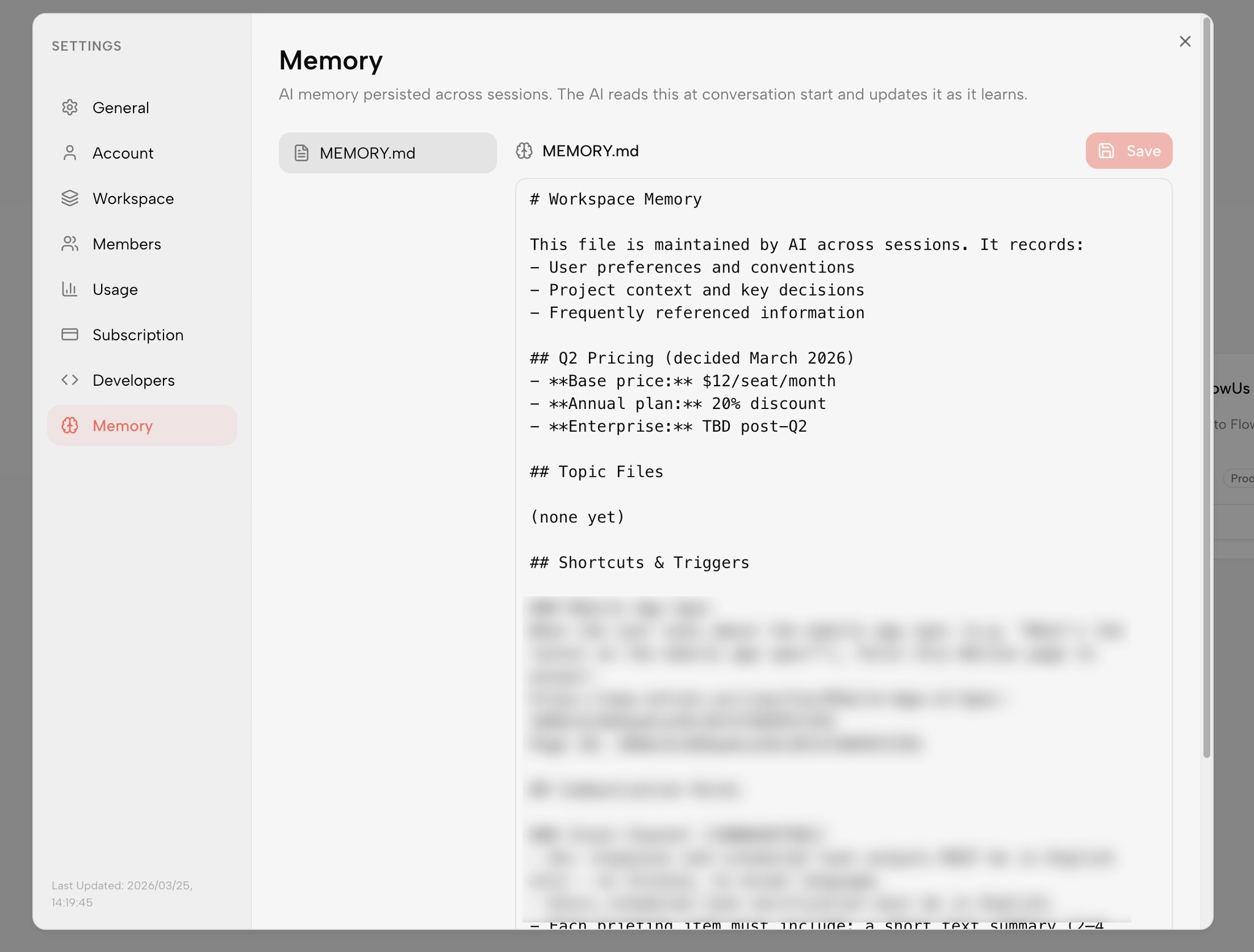
Il livello Memory di Kollab fa Layer 5 un ulteriore passo avanti. I segnali di calibrazione salvati in Memory (tono preferito, standard del formato di output, casi limite ricorrenti) persistono in tutte le sessioni e informano automaticamente ogni Skill in esecuzione nel tuo spazio di lavoro. Più esegui e perfezioni, più calibrato diventa l'intero spazio di lavoro.
Fianco a fianco: prima e dopo
Gli stessi tre flussi di lavoro, riscritti attraverso il framework a cinque livelli.
Briefing tecnico settimanale
Prima:
"Ogni venerdì, riassumi il lavoro tecnico della settimana per il team di prodotto."
Dopo:
"Ogni venerdì alle 17:00, fornisci al nostro Head of Product un quadro chiaro di ciò che il team tecnico ha spedito questa settimana, di cosa è ancora in corso e di cosa sta bloccando la consegna. Estrai dal Engineering board inJira(ultimi 7 giorni, escludere gli elementi del backlog) e il canale #dev-blockers Slack. Se un ticket viene bloccato, nominare il bloccante e il proprietario specifici. Scrivi quattro sezioni: Spedito / In corso / Bloccato / Valutazione - massimo 350 parole. Pubblica su #product-updates e crea una pagina Notion collegata nella cartella Sprint Reviews."
Aggiornamento dello stato del cliente
Prima:
"Scrivi un aggiornamento client per Project Alpha."
Dopo:
"Ogni lunedì mattina, scrivi un aggiornamento di stato per il team del cliente Project Alpha. Il pubblico non è tecnico; evita il gergo. Prendi dall'elenco delle attività di Project Alpha in Kollab: includi solo le attività aggiornate negli ultimi 7 giorni. Se un traguardo è ritardato di più di 3 giorni, contrassegnalo chiaramente. Scrivi nello stile di comunicazione del cliente: diretto, breve, senza riempitivi aziendali. Massimo 250 parole. Formato come email, pronto per l'invio."
Intel Digest competitivo
Prima:
"Controlla cosa stanno facendo i concorrenti e riferiscili."
Dopo:
"Ogni lunedì mattina, scansiona gli ultimi 7 giorni di aggiornamenti dagli URL dei cinque concorrenti elencati nell'input di Skill. Cerca: nuove funzionalità annunciate, modifiche dei prezzi, contenuti di blog degni di nota, assunzioni di dirigenti. Ignora post di marketing generici senza notizie sul prodotto o sull'azienda. Scrivi un paragrafo per concorrente, massimo 80 parole ciascuno. Se non c'è nulla di notevole per un concorrente quella settimana, scrivi "Nessun aggiornamento significativo". Consegnalo come un unico messaggio Slack a #competitive-intel."
Il ciclo di iterazione
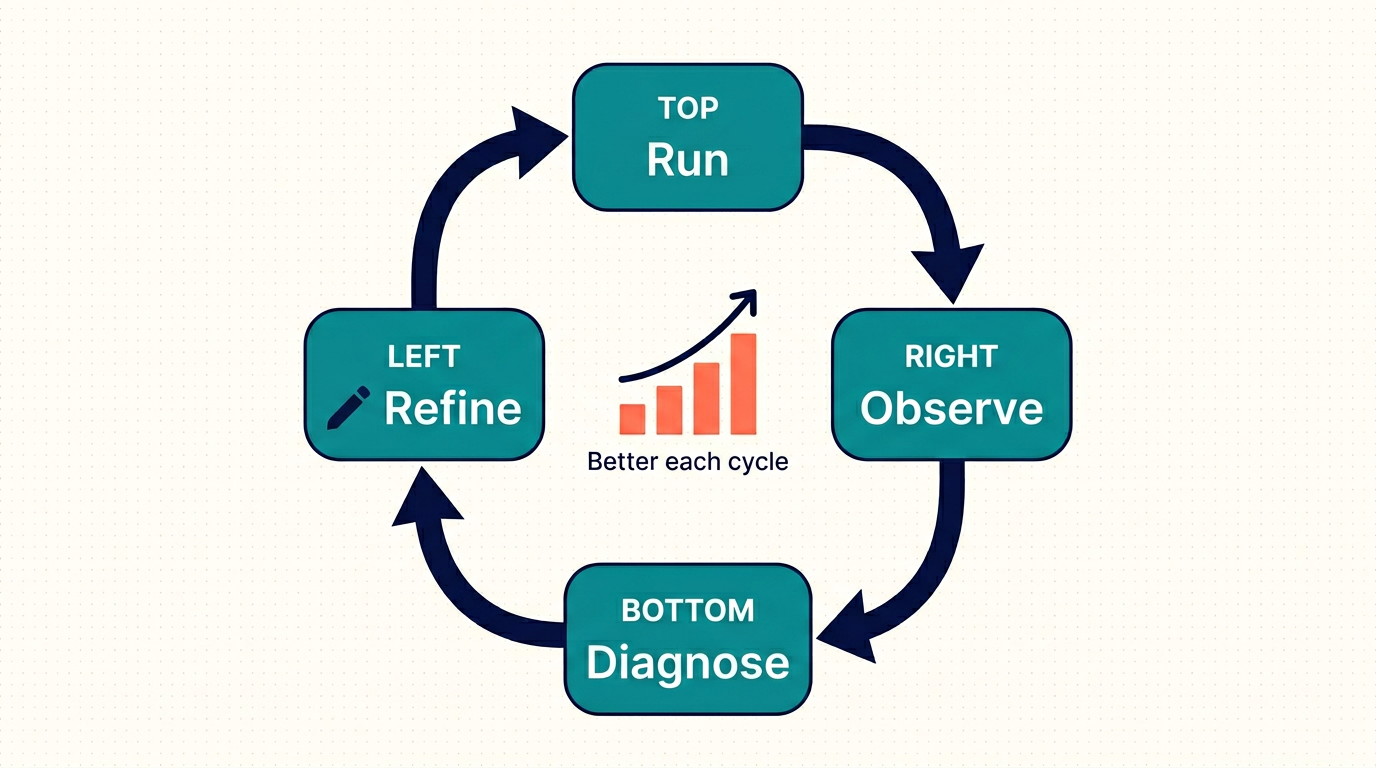
Nessuna descrizione è corretta al primo tentativo. La disciplina sta costruendo un ciclo di iterazione che migliora rapidamente Skill.
Dopo la prima esecuzione, fai tre domande:
Cosa ha dovuto indovinare il AI?Queste diventano istruzioni esplicite.
Dove si è interrotto il formato?Aggiungi vincoli di struttura a Layer 4.
Cosa mancava nell'output?Una nuova fonte di input (Layer 2) o una condizione di ragionamento mancante (Layer 3).
La maggior parte dei Skills si stabilizza in due o tre iterazioni. Ricerca suflussi di lavoro agentivi di produzionemostra costantemente questo schema: la prima esecuzione rivela le lacune interpretative di AI; la seconda e la terza manche li chiudono. Le descrizioni che rimangono instabili mancano quasi sempre di Layer 3: AI incontra un caso limite ad ogni esecuzione e lo risolve in modo diverso ogni volta.
L'obiettivo non è una descrizione perfetta nella prima bozza. L'obiettivo è una descrizione sufficientemente specifica affinché le interpretazioni di AI siano prevedibili e un processo sufficientemente sistematico affinché ogni risultato poco chiaro diventi un miglioramento concreto.
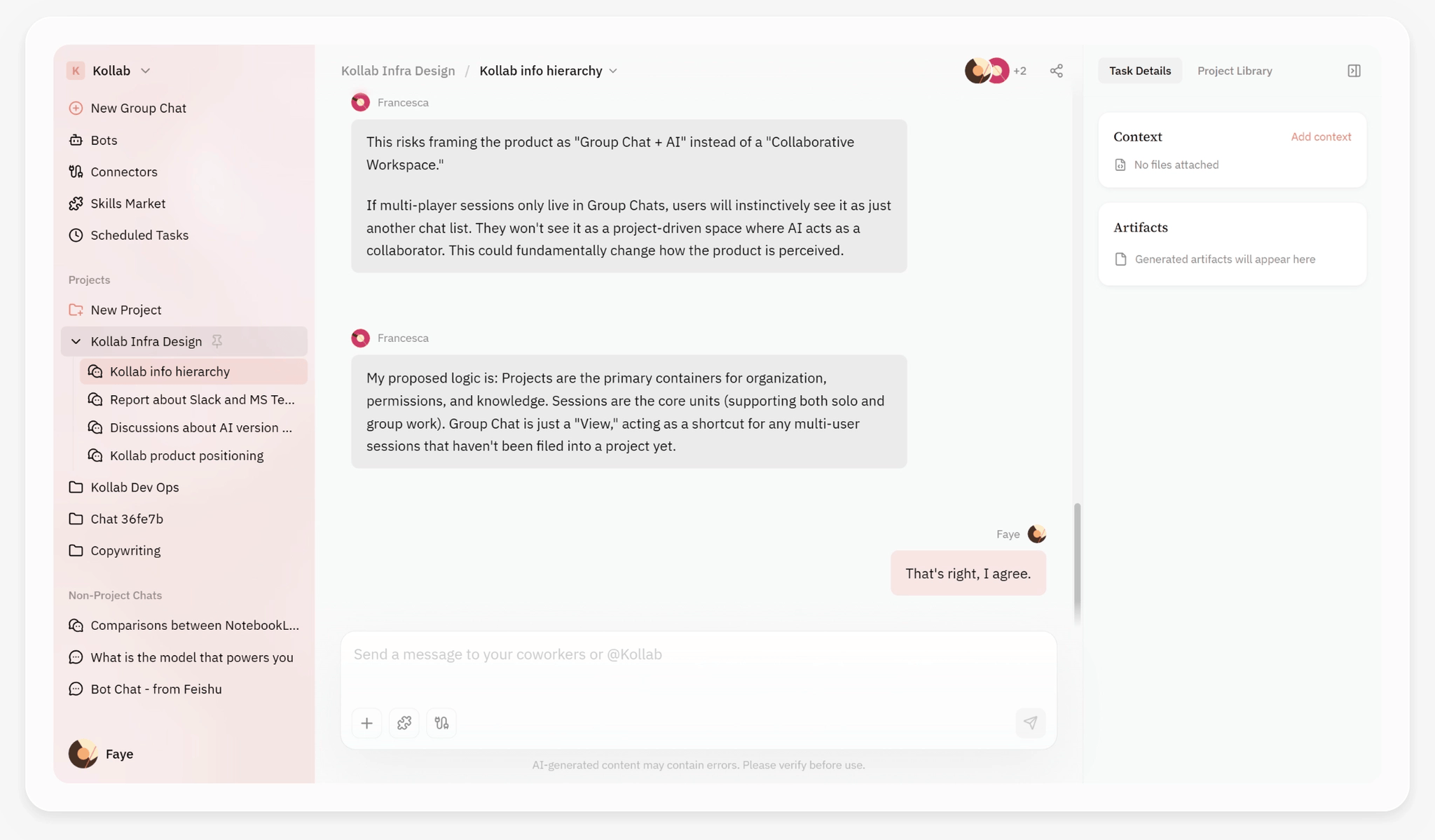
In Kollab, questo ciclo risiede all'interno del tuo spazio di lavoro esistente. Ogni esecuzione, ogni perfezionamento, ogni conversazione del team avviene nello stesso thread di collaborazione: nessuno strumento separato, nessun cambio di contesto. Il tuo team vede l'output, dà forma all'iterazione successiva e il Skill migliora insieme.
Da dove iniziare
Prendi un Skill che hai già creato ed eseguilo attraverso i cinque livelli. Non è necessario ricominciare da capo: nella maggior parte dei casi mancano due o tre frasi da Layer 3 e Layer 4.
Scrivi quelle frasi. Esegui nuovamente Skill.
La differenza tra un Skill che funziona occasionalmente e uno che funziona ogni volta è solitamente inferiore a cinquanta parole.
Se inizi da zero, il mercato Skills è il punto di ingresso più veloce. Sfoglia Skills predefiniti in ogni categoria: creazione di contenuti, analisi aziendale, produttività e altro ancora. Leggi attentamente ogni descrizione: le migliori specificano esplicitamente l'intento, gli input, le condizioni di ragionamento e il formato di output. Usali come modelli, adattali al contesto esatto del tuo team e applica la struttura a cinque livelli per colmare eventuali lacune.
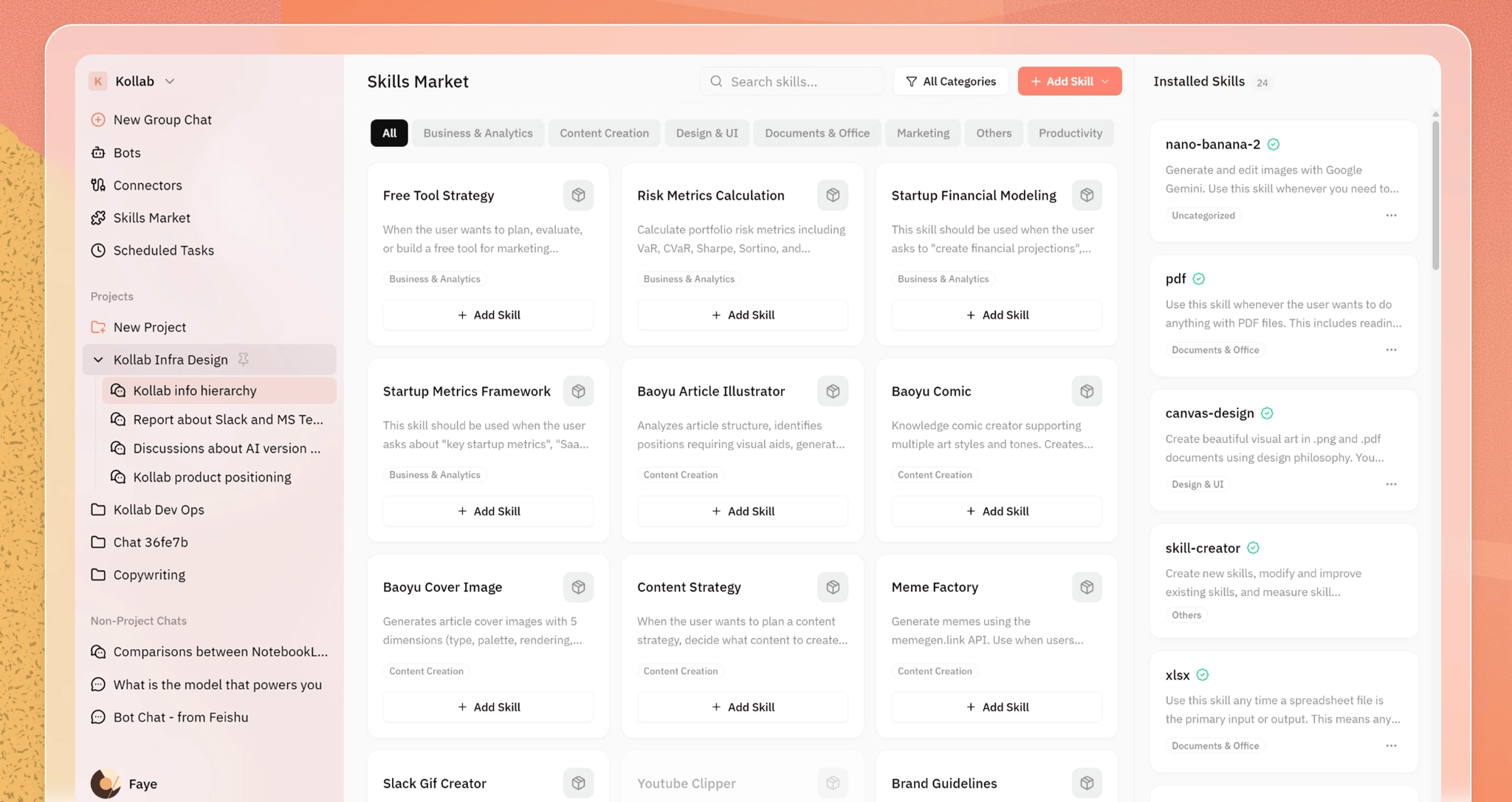
Esplora il Kollab Skills Marketper trovare Skills precostruito che puoi personalizzare oppure utilizza il framework qui sopra per creare il tuo primo da zero.
Ulteriori letture
La struttura a cinque livelli si basa su principi consolidati nel prompt engineering e nella progettazione del flusso di lavoro degli agenti. Queste risorse approfondiscono i concetti alla base.
Prompting Best Practices— La guida ufficiale di Anthropic per scrivere le istruzioni di AI con chiarezza, specificità e struttura. Il principio fondamentale, ovvero che l'ambiguità produce varianza, si applica direttamente alle descrizioni Skill.
Context Engineering for AI Agents— Anthropic Ingegneria sul perché la qualità del contesto, e non la capacità grezza del modello, determina la qualità dell'output dell'agente. Layer 3 di questo quadro è l'ingegneria del contesto in pratica.
The 2026 Guide to Prompt Engineering— La panoramica completa di IBM su come la scrittura delle istruzioni si è evoluta da una competenza specialistica a una competenza essenziale nel flusso di lavoro in ogni funzione del team.
How to Implement Agent Skills— Il tutorial pratico di DigitalOcean sulla strutturazione della documentazione delle competenze dell'agente per un'esecuzione affidabile e ripetibile.
Agents At Work: The 2026 Playbook— Sette punti non negoziabili per i team che spediscono sistemi di agenti che resistono nella produzione, dal Prompt Engineering Institute.
Writing Effective Descriptions for Workflow Automation— La guida di Quickbase alla precisione nelle descrizioni dell'automazione. Che tu stia configurando un trigger senza codice o un Kollab Skill, i requisiti di precisione sono gli stessi.